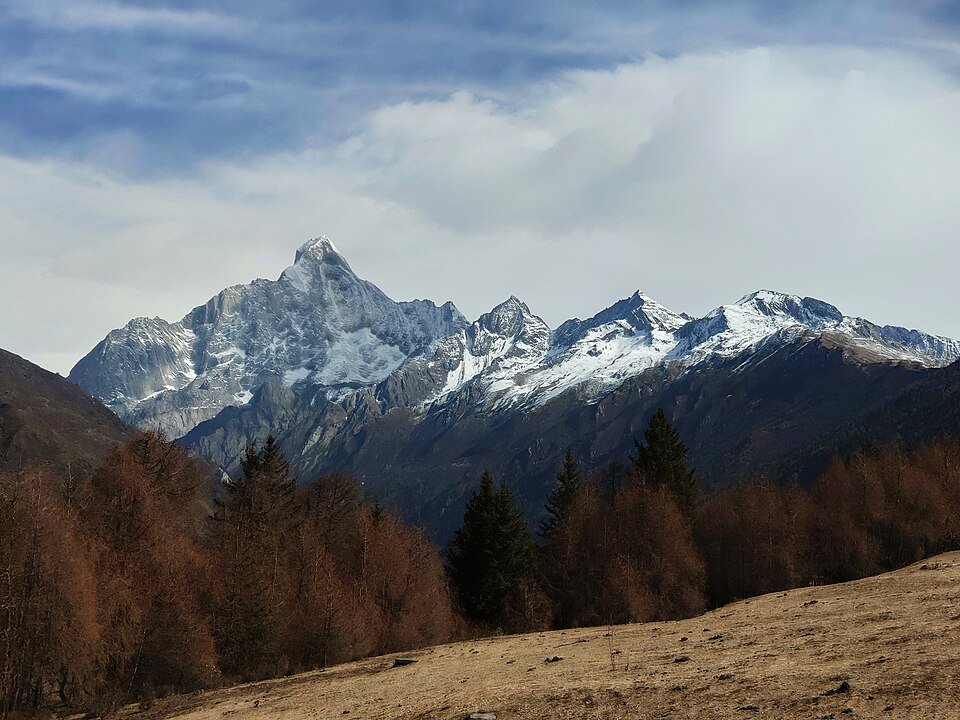
Discover history, experience culture, understand faith and meet the people who call Tibet home.
At Snowland Travel, we value the perspectives of people living in Tibet. We introduce you to its rich history, enduring culture and faith, and the rhythms of everyday life.
A JOURNEY ROOTED IN CULTURE
Journeys into the Heart of Tibet.
Land of Snow · Journeys of the Heart
Sacred lakes, quiet monasteries, and lives shaped by the plateau. Discover Tibet through the eyes of the people who call it home.
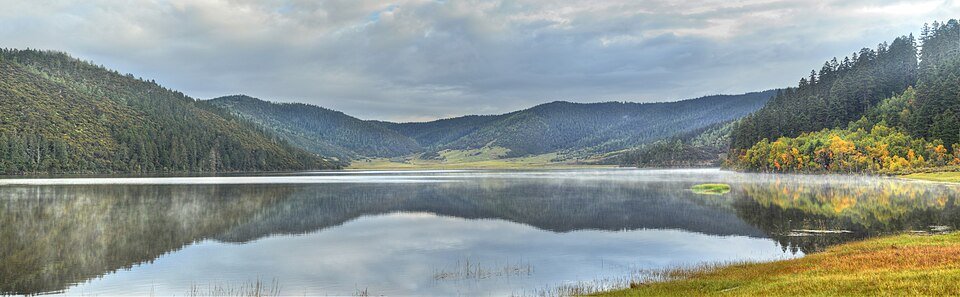
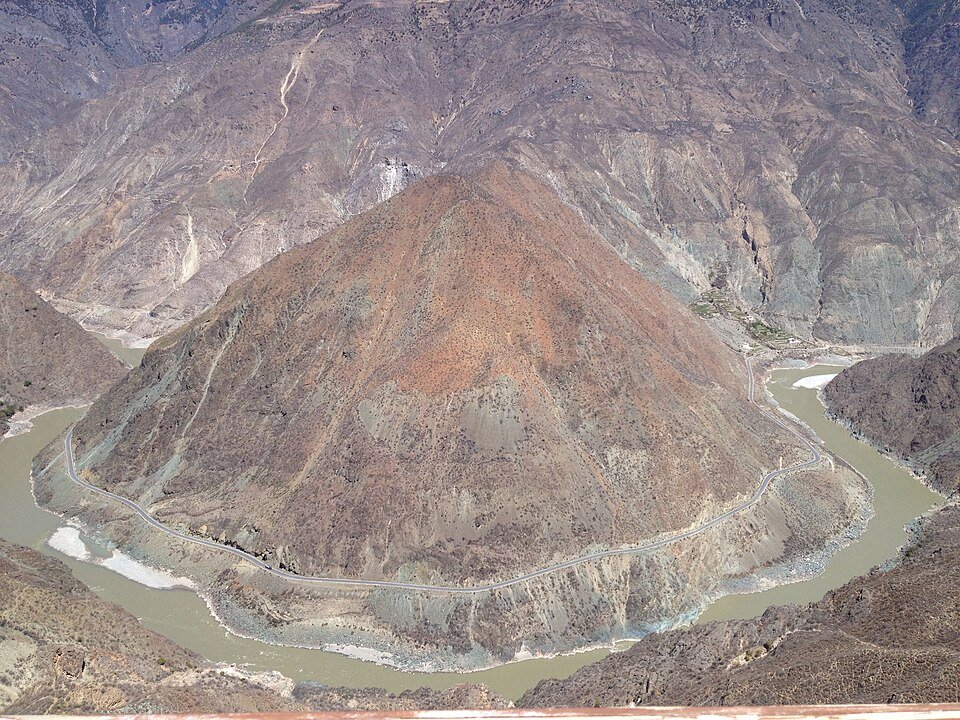
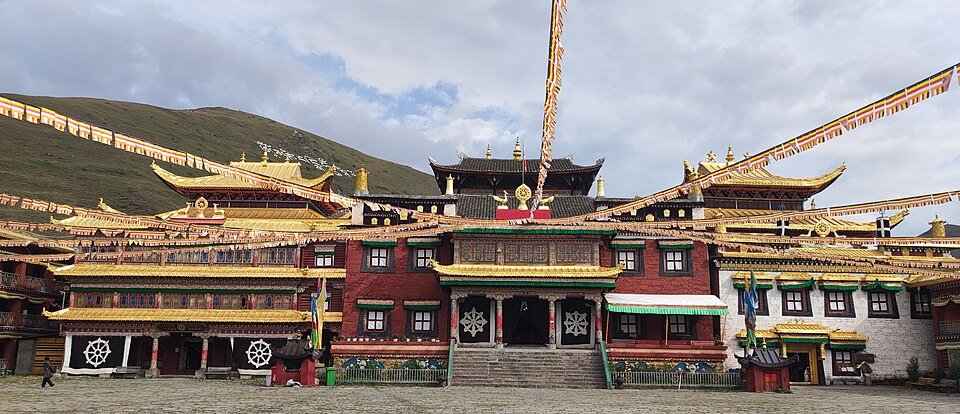
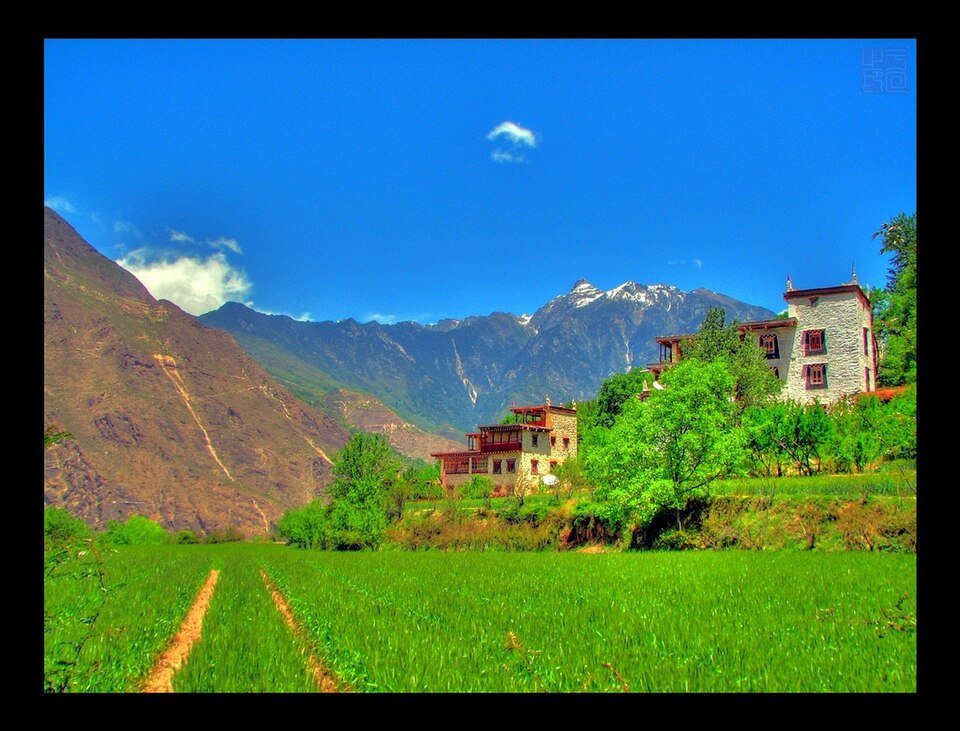
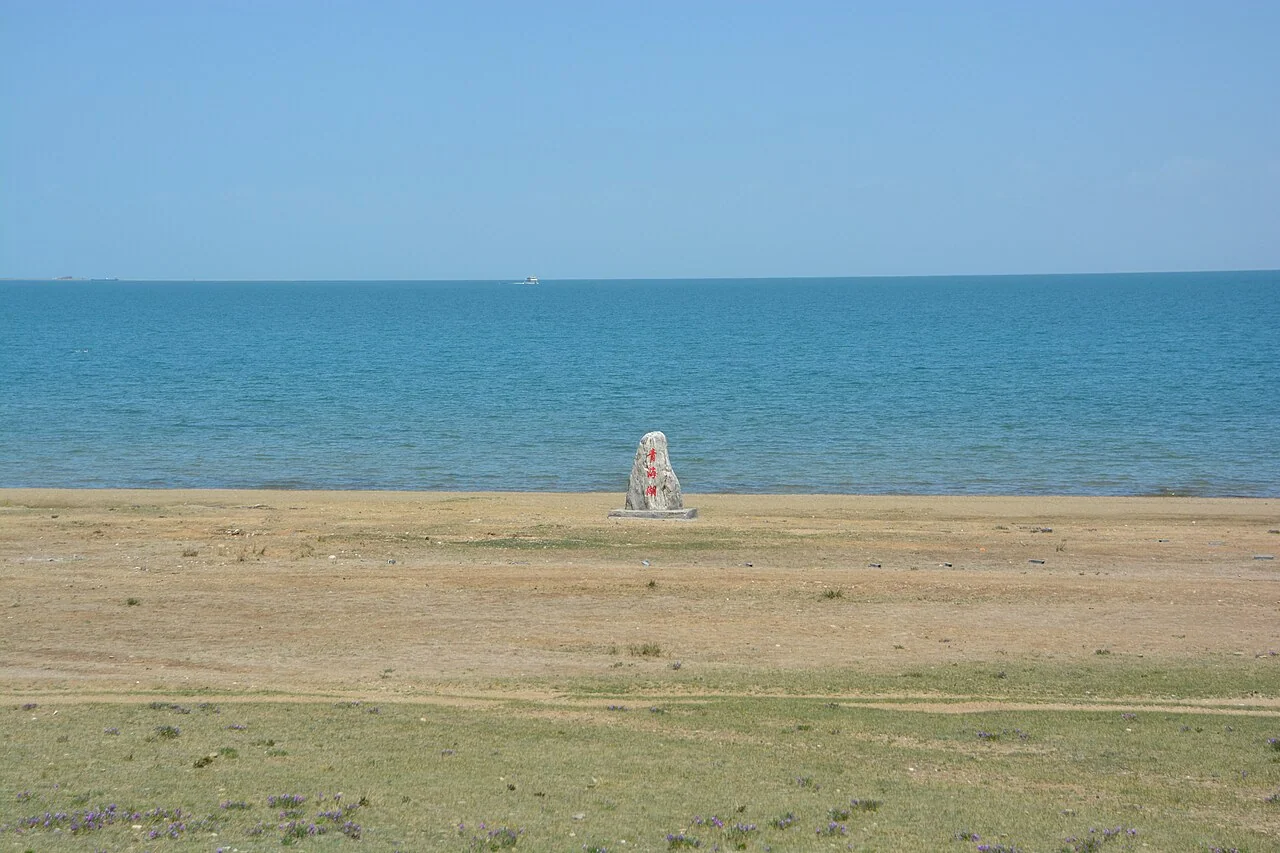
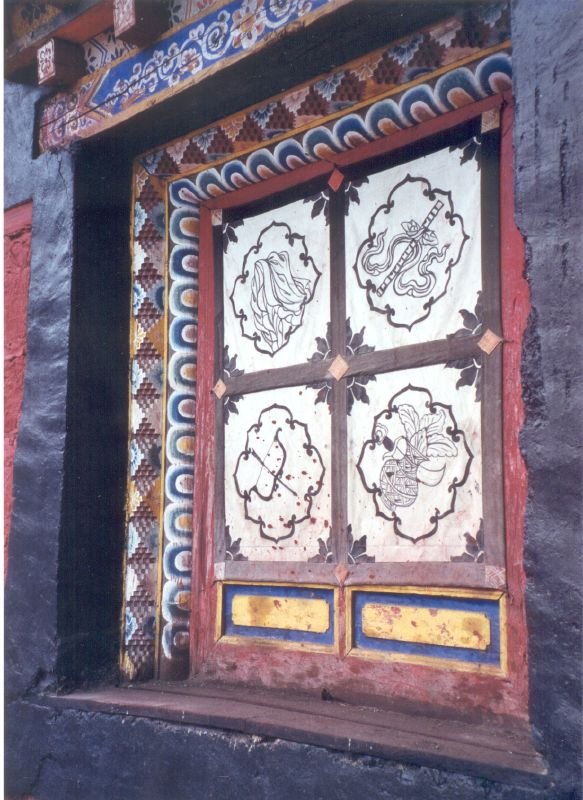
Snow mountains, wide plateaux and living monasteries: travel from Lhasa to lakes and the Himalayan foothills to explore Tibet’s history, culture and nature. Qinghai, Sichuan and Yunnan offer their own Tibetan cultural landscapes and ways of life.
Lhasa is the central city of the Tibet Autonomous Region. Its name is often interpreted as “land of the gods,” and a legend tells of goats carrying stones for the construction of a temple. Known for its connection to the 7th-century King Songtsen Gampo, its old town, centered on the Jokhang, remains a place where pilgrims offer prayers. Drepung and Sera monasteries stand at the foot of the mountains to the north, while the Lhasa River flows to the south.
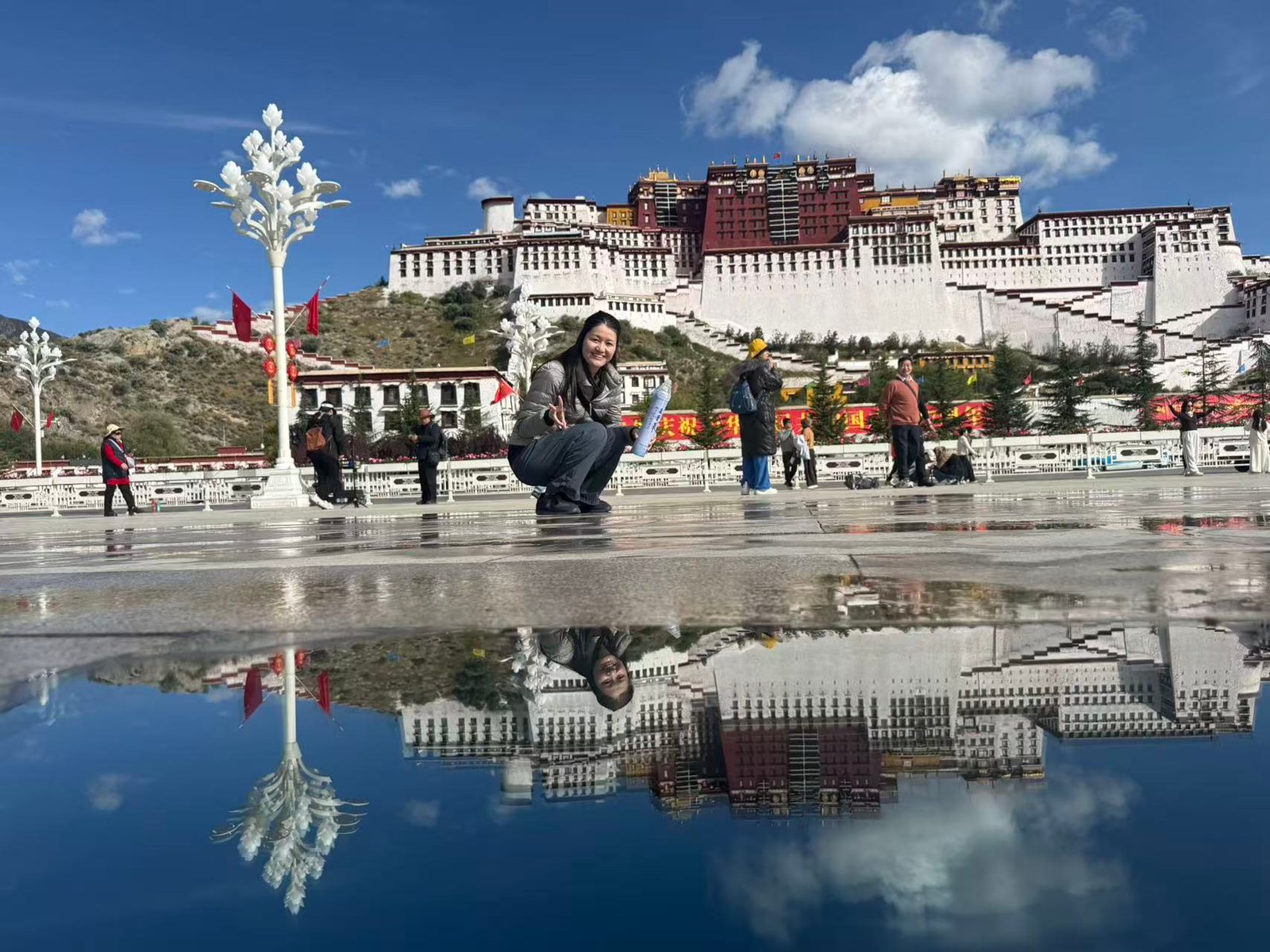
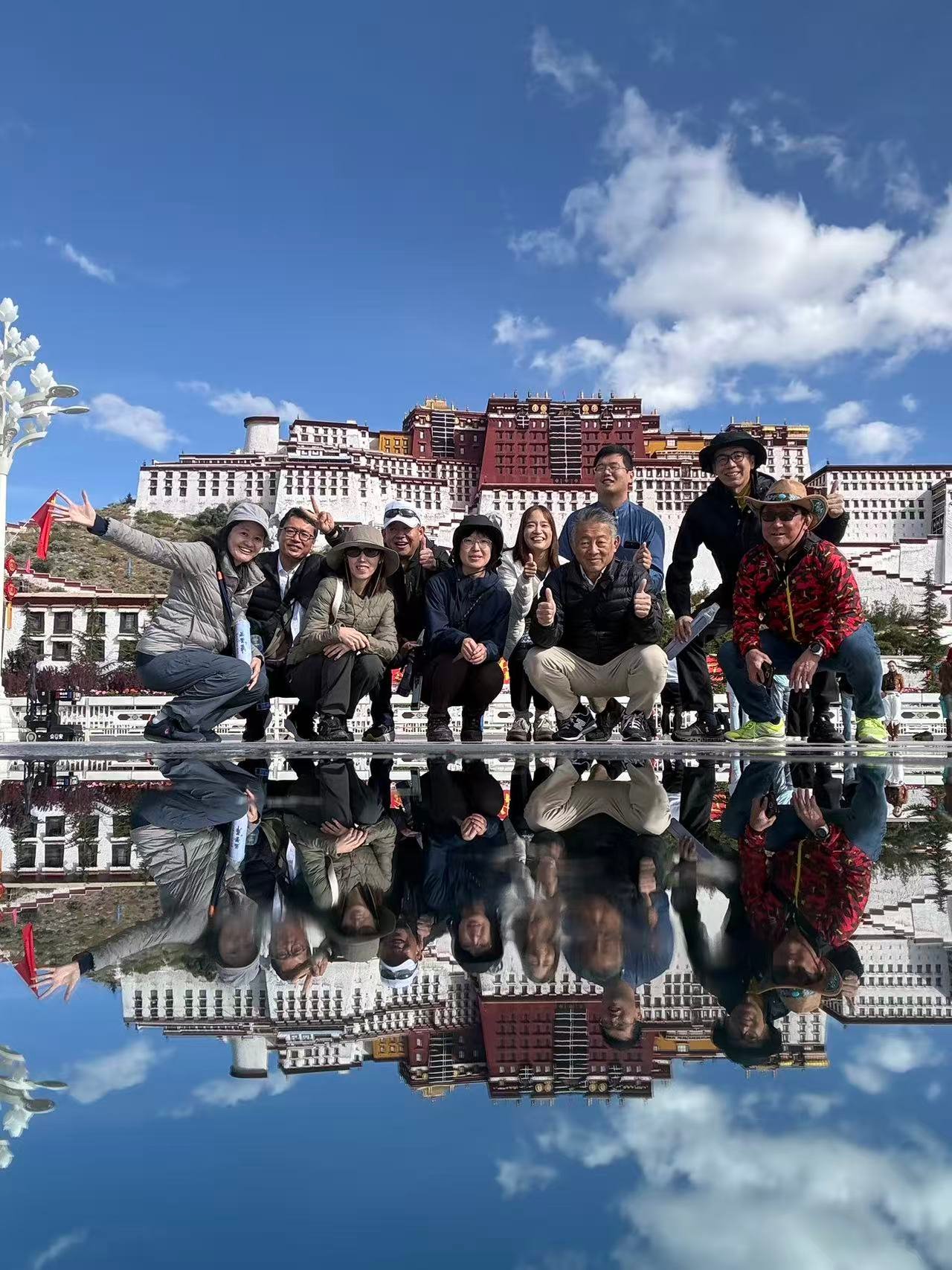
Standing on Red Hill, this palace consists of the White Palace and Red Palace. Construction of the present buildings began in the 17th century under the Fifth Dalai Lama, and the palace also served as the residence of successive Dalai Lamas. Its murals, Buddhist statues and funerary stupas convey Tibet’s history and faith. It forms part of the UNESCO World Heritage Historic Ensemble of the Potala Palace, Lhasa. There are many stairs, so acclimatize first and walk slowly.
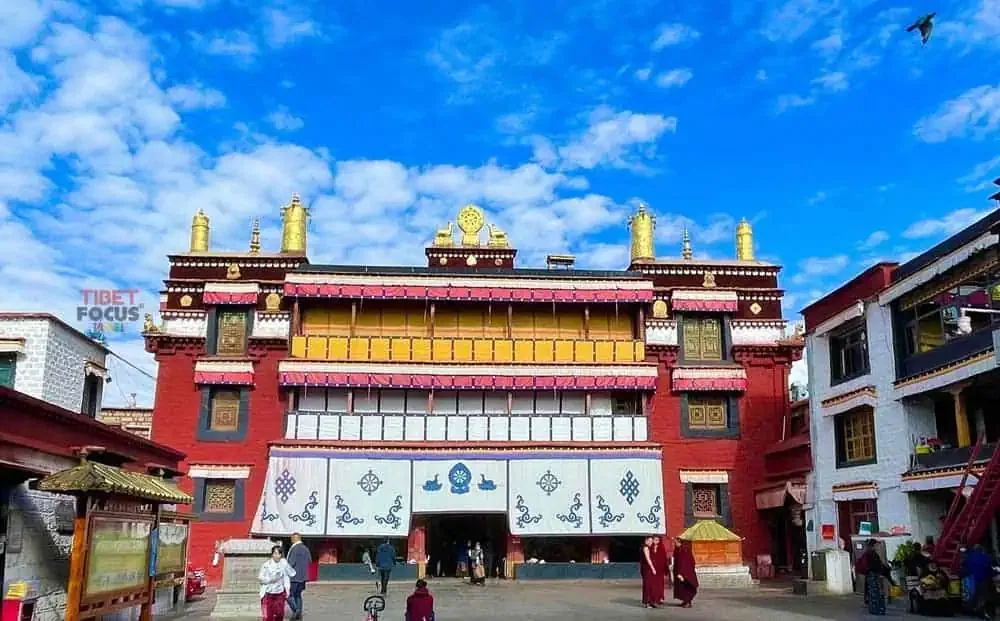
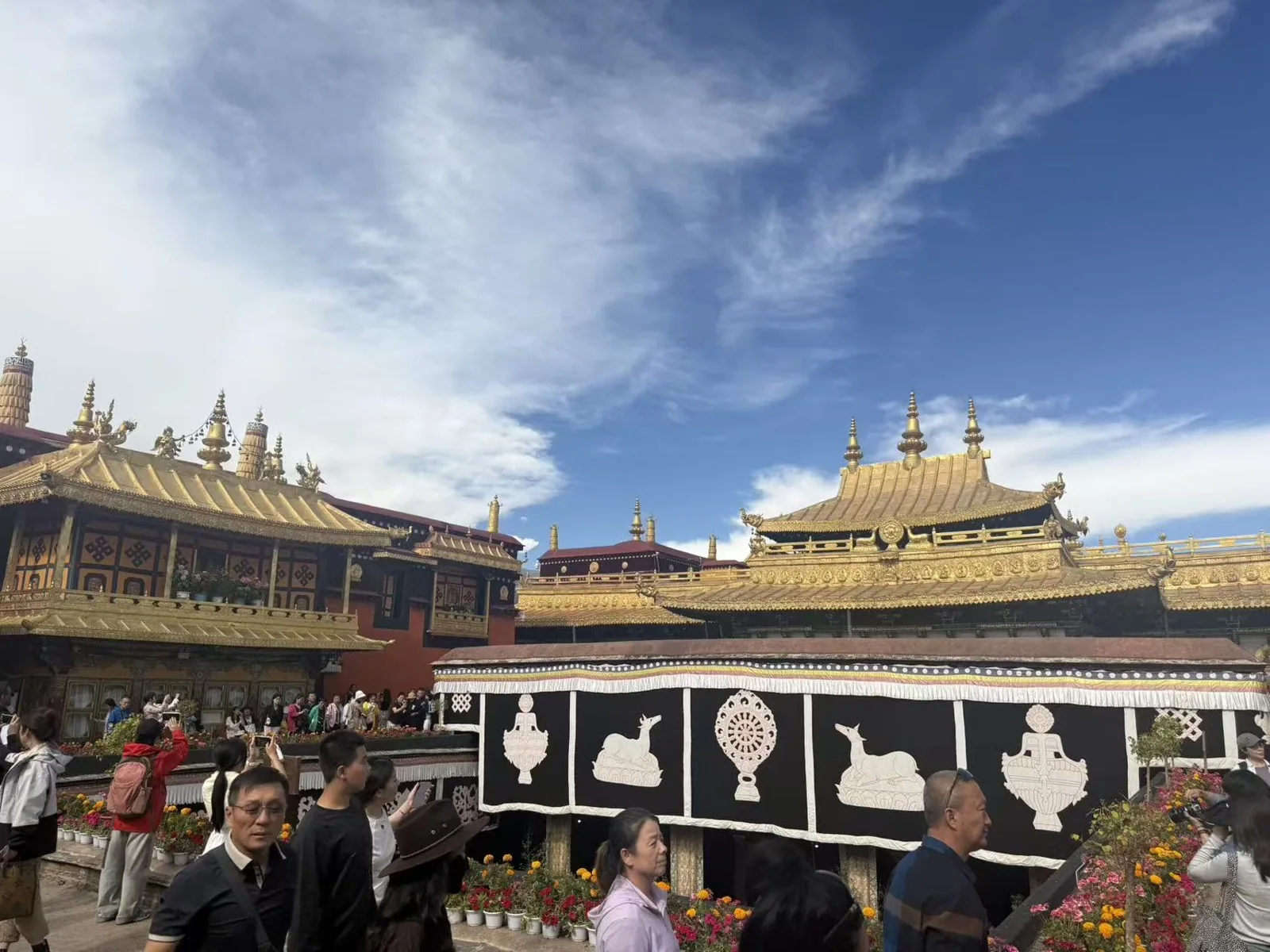
Jokhang Temple ཇོ་ཁང་།
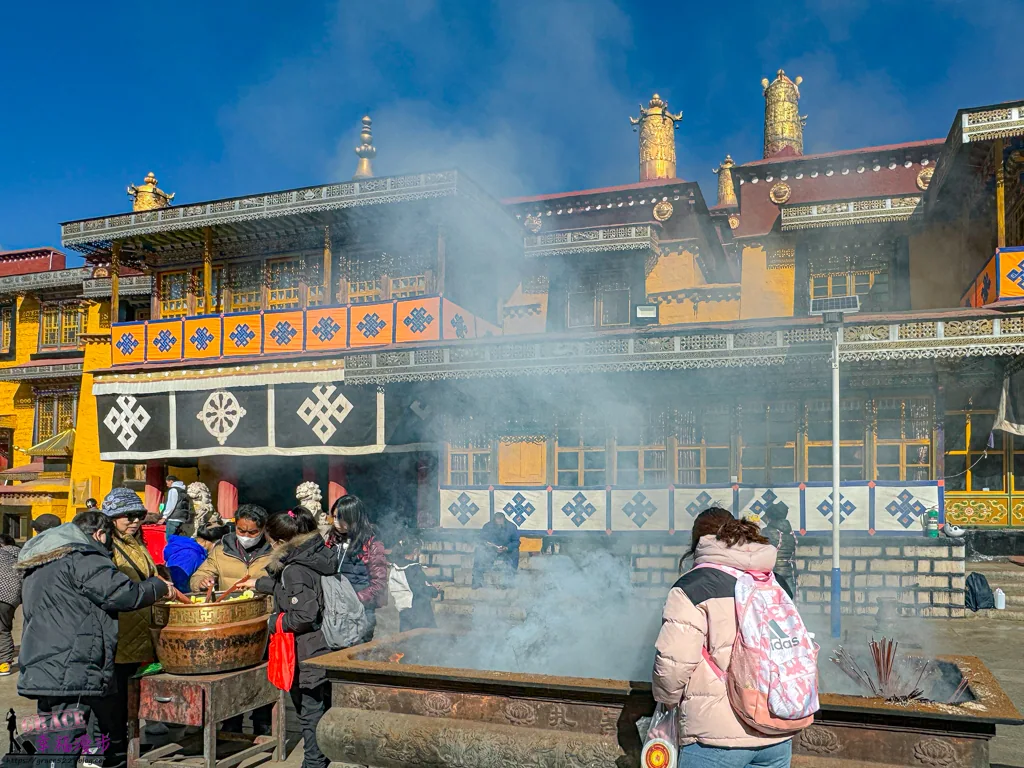
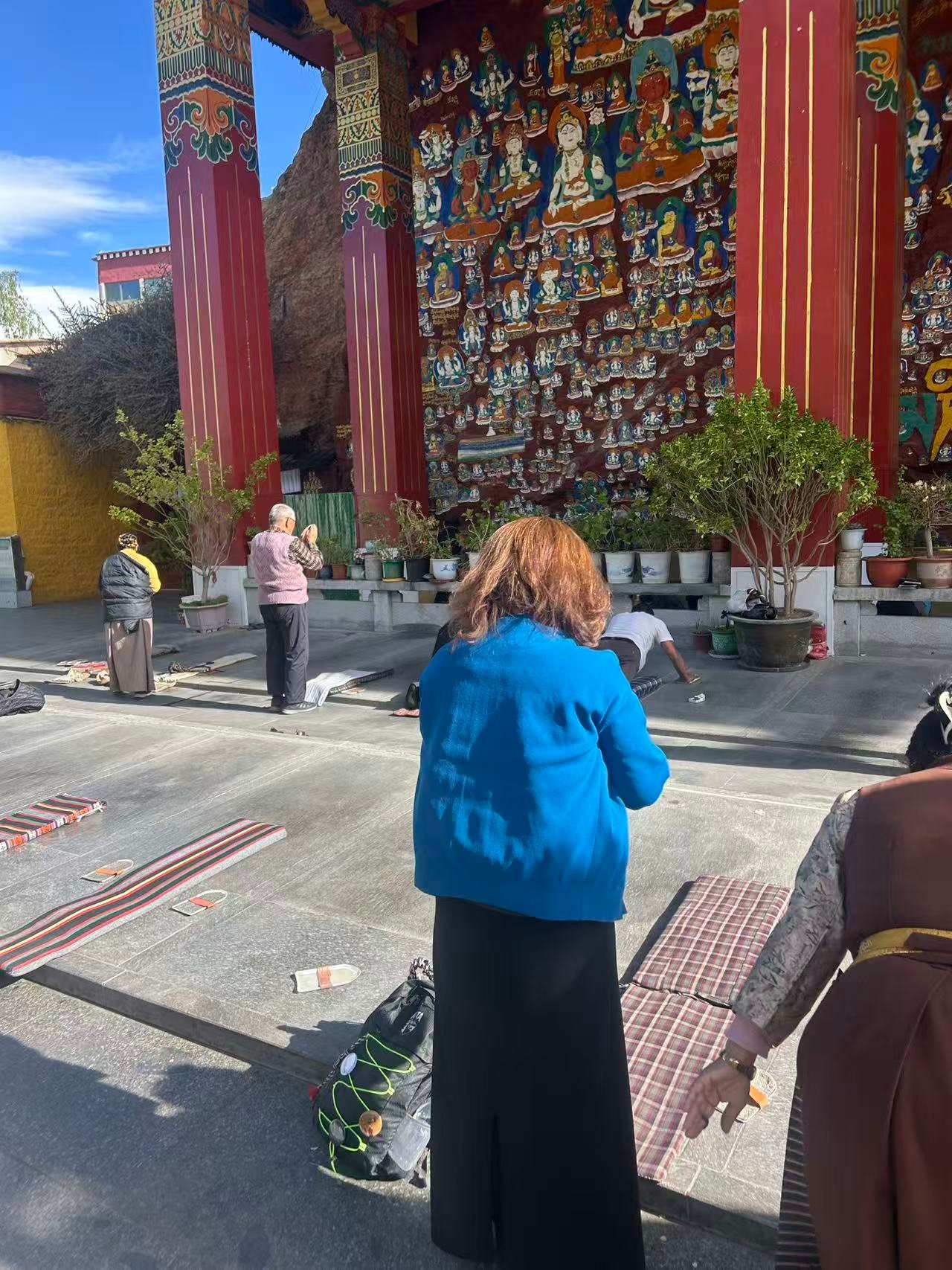
An important Tibetan Buddhist sacred site with origins in the 7th century, it preserves legends about King Songtsen Gampo and his queens. The surrounding Barkhor is also a pilgrimage circuit, where people walk clockwise. It forms part of the UNESCO World Heritage Historic Ensemble of the Potala Palace, Lhasa. Avoid obstructing worshippers and check whether photography is permitted inside the halls.
Norbulingka ནོར་བུ་གླིང་ག་།
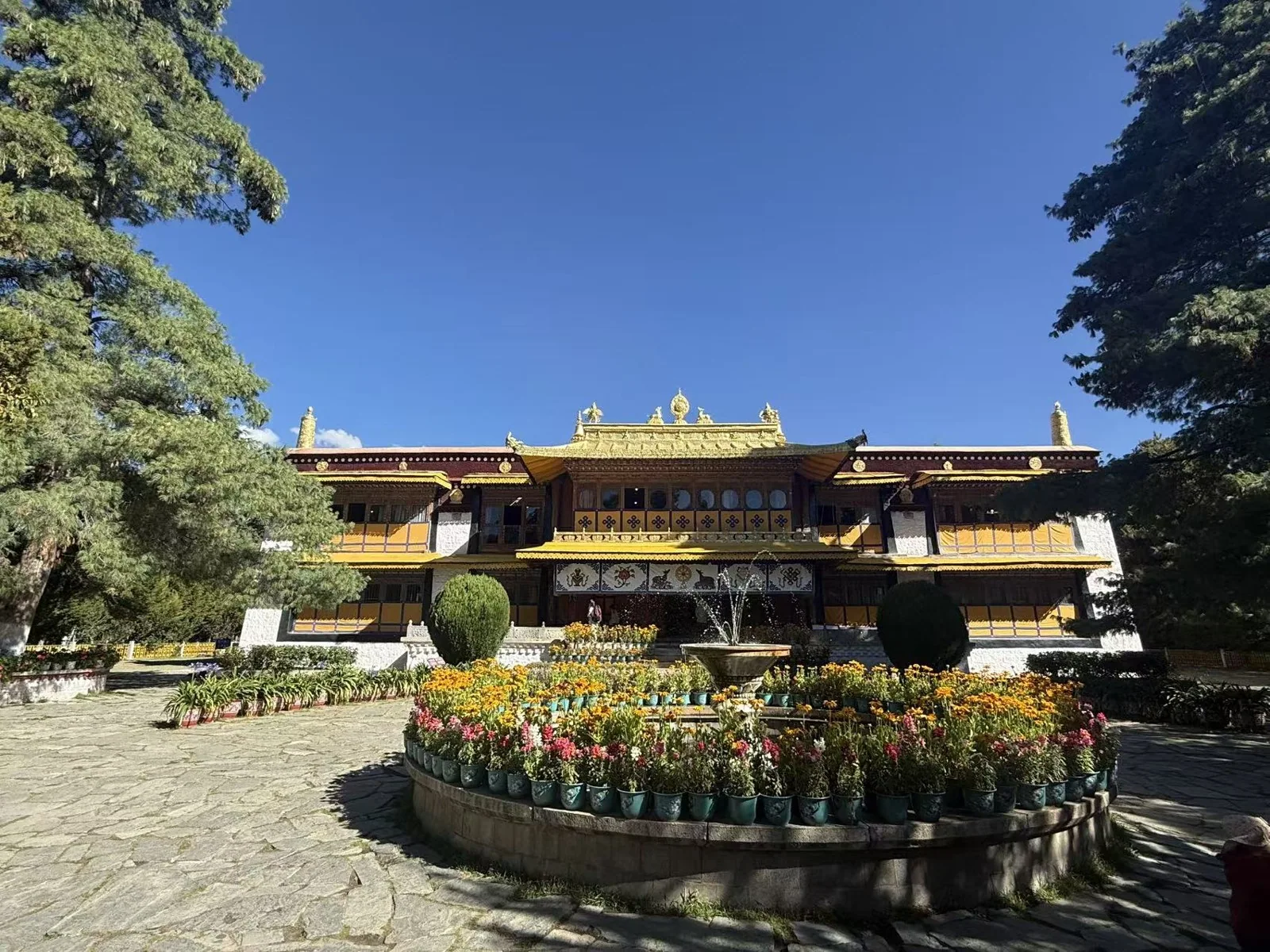
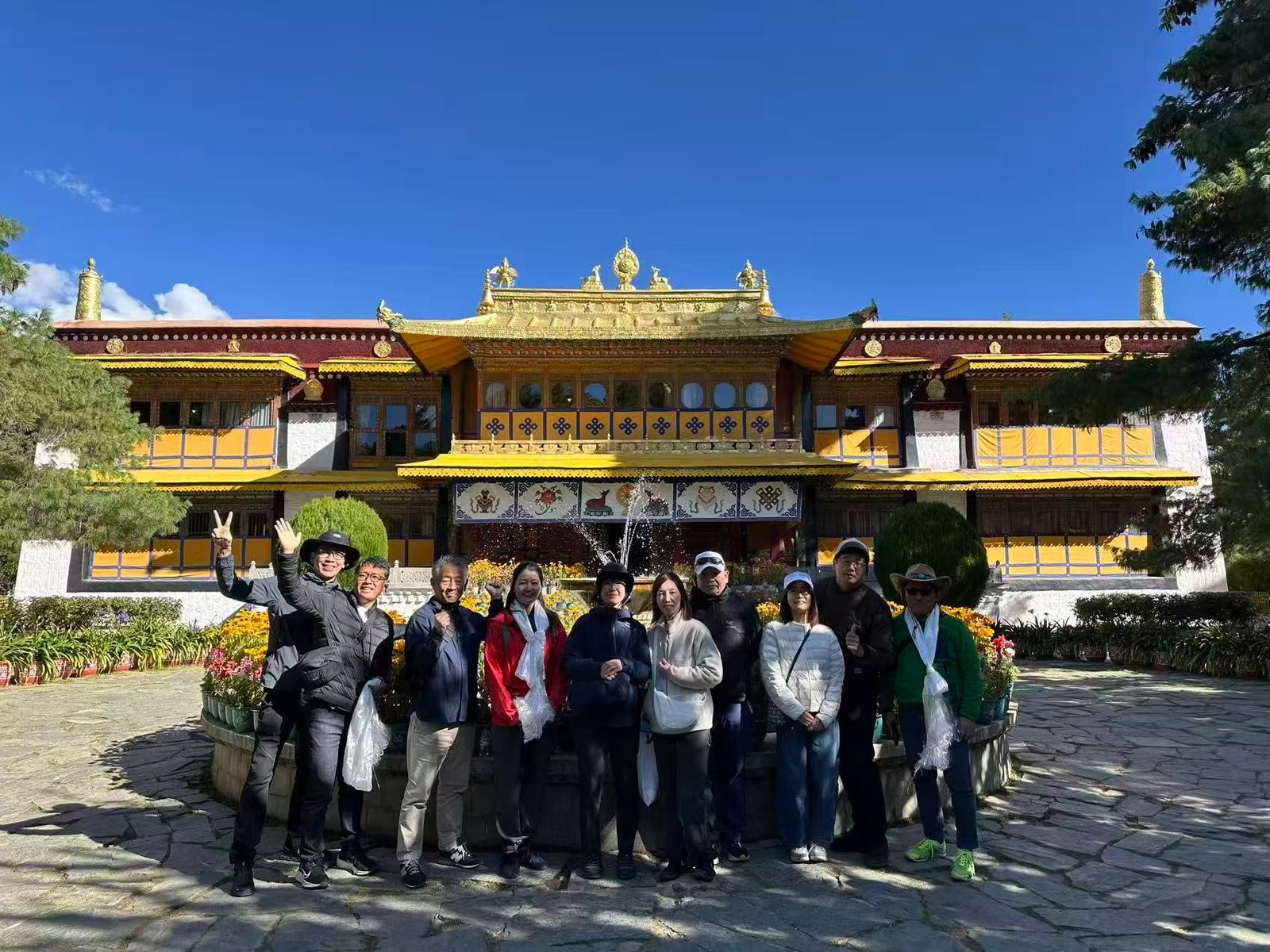
Gardens and palaces used as the summer residence of successive Dalai Lamas. Development began in the 18th century, with several palaces added later. Walk through the architecture and gardens of these leafy grounds to discover Lhasa’s history. The site is inscribed on the World Heritage List as part of the Historic Ensemble of the Potala Palace.
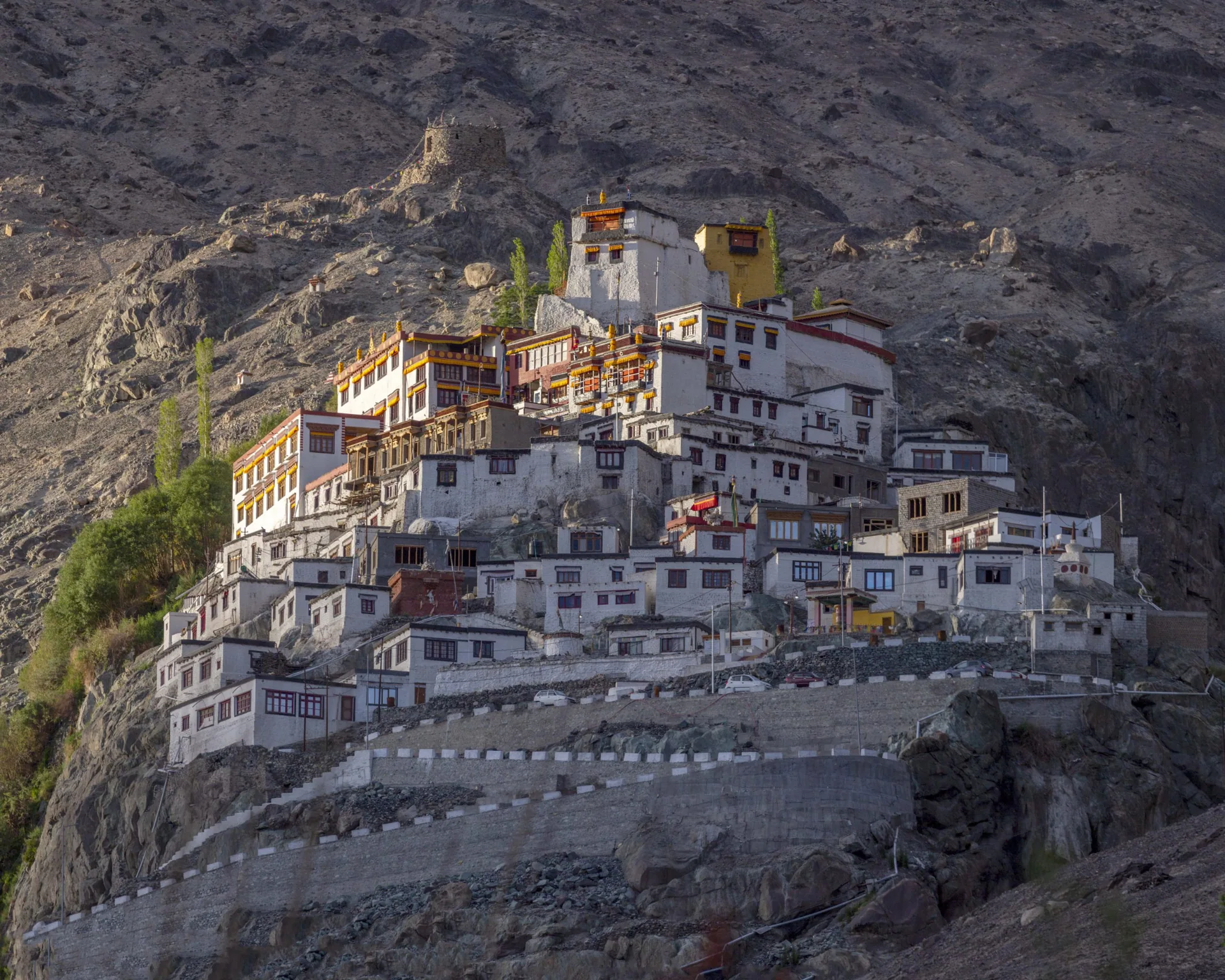
Drepung Monastery འབྲེ་ཕུང་དགོན།
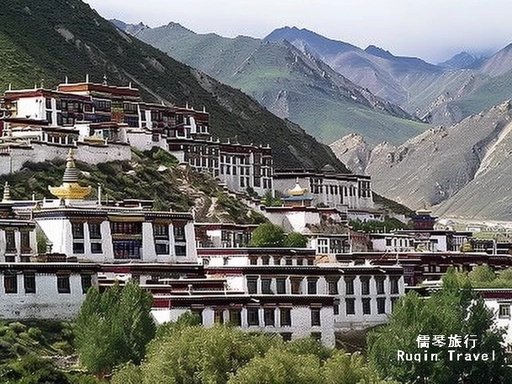
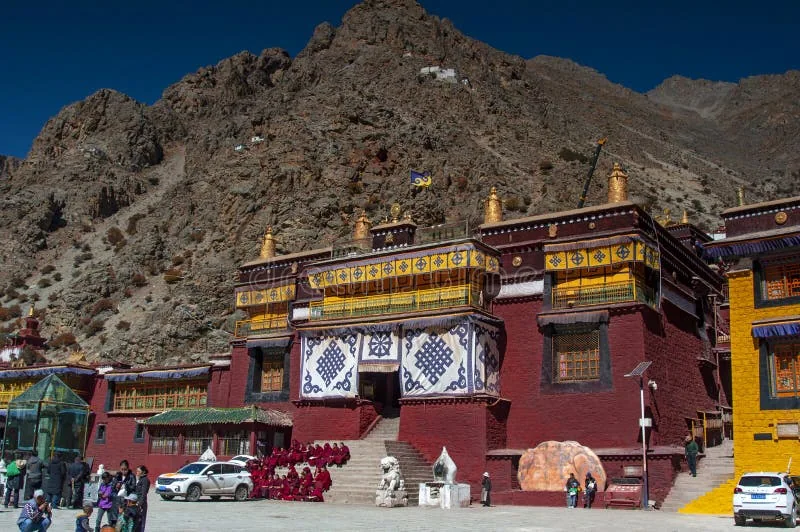
A major Gelug monastery founded in 1416, striking for its rows of white buildings across the mountainside. It once attracted scholar-monks, and Ganden Palace served as a Dalai Lama residence before the development of the Potala Palace. The stairs are at high altitude; take breaks while exploring.
Sera Monastery སེ་ར་དགོན།
A Gelug monastery in northern Lhasa founded in 1419. Known for monks debating Buddhist teachings, it also has connections with the Japanese figures Ekai Kawaguchi and Tokan Tada. Debate and visiting times may change, so check in advance.
Ani Tsankhung Nunnery ཨ་ནི་ཚང་གུང་།
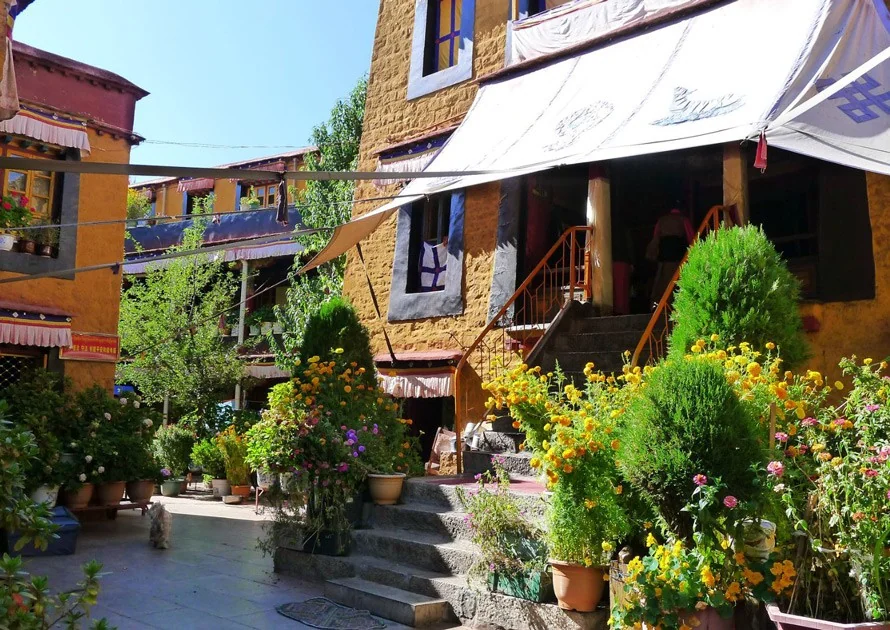
A nunnery in the old town south of the Jokhang. A place where King Songtsen Gampo is said to have meditated remains, and the nuns continue their prayers and daily lives here. Walk quietly and ask permission before photographing people or the interiors.
Ramoche Temple ར་མོ་ཆེ་དགོན།
An old temple in Lhasa’s old town. Like the Jokhang, it has deep links to Lhasa’s faith and history. Respect this place of worship and check the rules for visiting and photography.
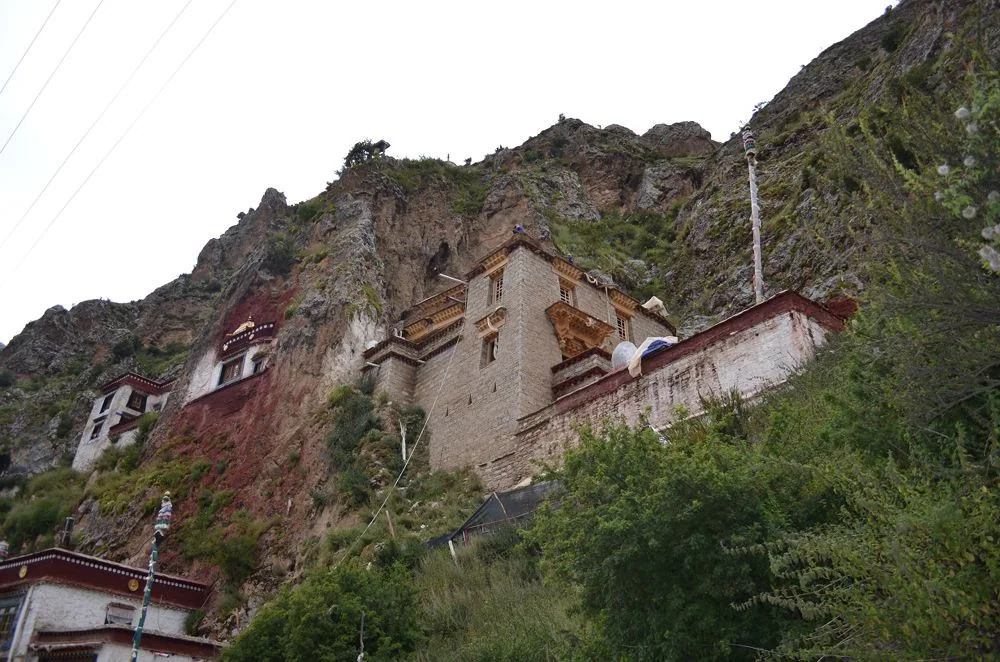
Drak Yerpa བྲག་ཡེར་པ།
Meditation caves and temples scattered across rocky hills near Lhasa. Visit sacred sites on the mountainside while enjoying valley views. Plan with altitude and travel time in mind.
Shugsep Nunnery ཤུགས་སེབ་ཨ་ནི་དགོན།
A nunnery among the mountains near Lhasa, known as a quiet place of practice. Please consult us in advance about access and road conditions.
Pabonka Hermitage སྤ་བོང་ག་དགོན།
Pabongka is a sacred site in the Nyere Valley north of Lhasa. Built on a large rock resembling a tortoise, it is known for legends about the creation of the Tibetan script. According to tradition, Thonmi Sambhota practiced here in the 7th century and devised the script. King Songtsen Gampo is also said to have studied writing here. Visit quietly as you reflect on Tibetan history and culture.
Tsurphu Monastery མཚུར་བུ་དགོན།
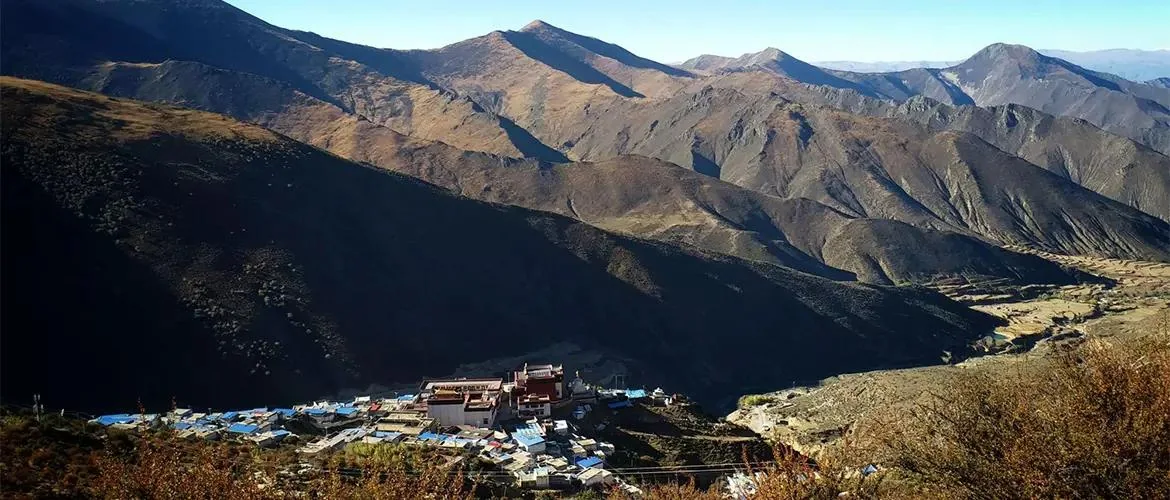
Tsurphu Monastery is known as the main seat of the Karma Kagyu tradition of Tibetan Buddhism. Founded in the 12th century, it lies in a valley in Tolung Dechen west of Lhasa. It has a long history as the seat of successive Karmapas and is closely linked to the Tibetan Buddhist tradition of recognizing reincarnate teachers. Surrounded by mountains, its halls and stupas offer a peaceful visit. Follow local guidance for visiting and photography.
Zakhi Temple གྲ་བཞི་ལྷ་ཁང་།
Zakhi Temple in Lhasa enshrines the wealth goddess Zakhi Lhamo. Many worshippers come to pray for good fortune and prosperous business, and the temple is known for its distinctive custom of offering alcohol. Be considerate of those praying and check local guidance on photography and offerings.
Xia Nunnery ཤར་དགོན།
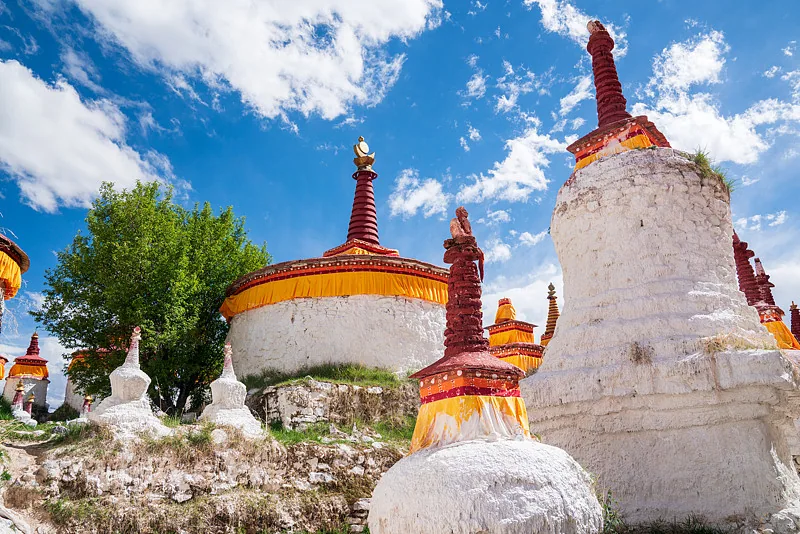
Sha Nunnery is a Nyingma nunnery in Lhundrup. Known for its rows of 108 white stupas, it is a quiet place of prayer against blue skies and mountains. Be considerate of nuns and worshippers and check locally whether photography is allowed.
Xia Nunnery · 108 stupas · Lhunzhub
Michongri Nunnery མི་ཆོང་རི་ཨ་ནི་དགོན།
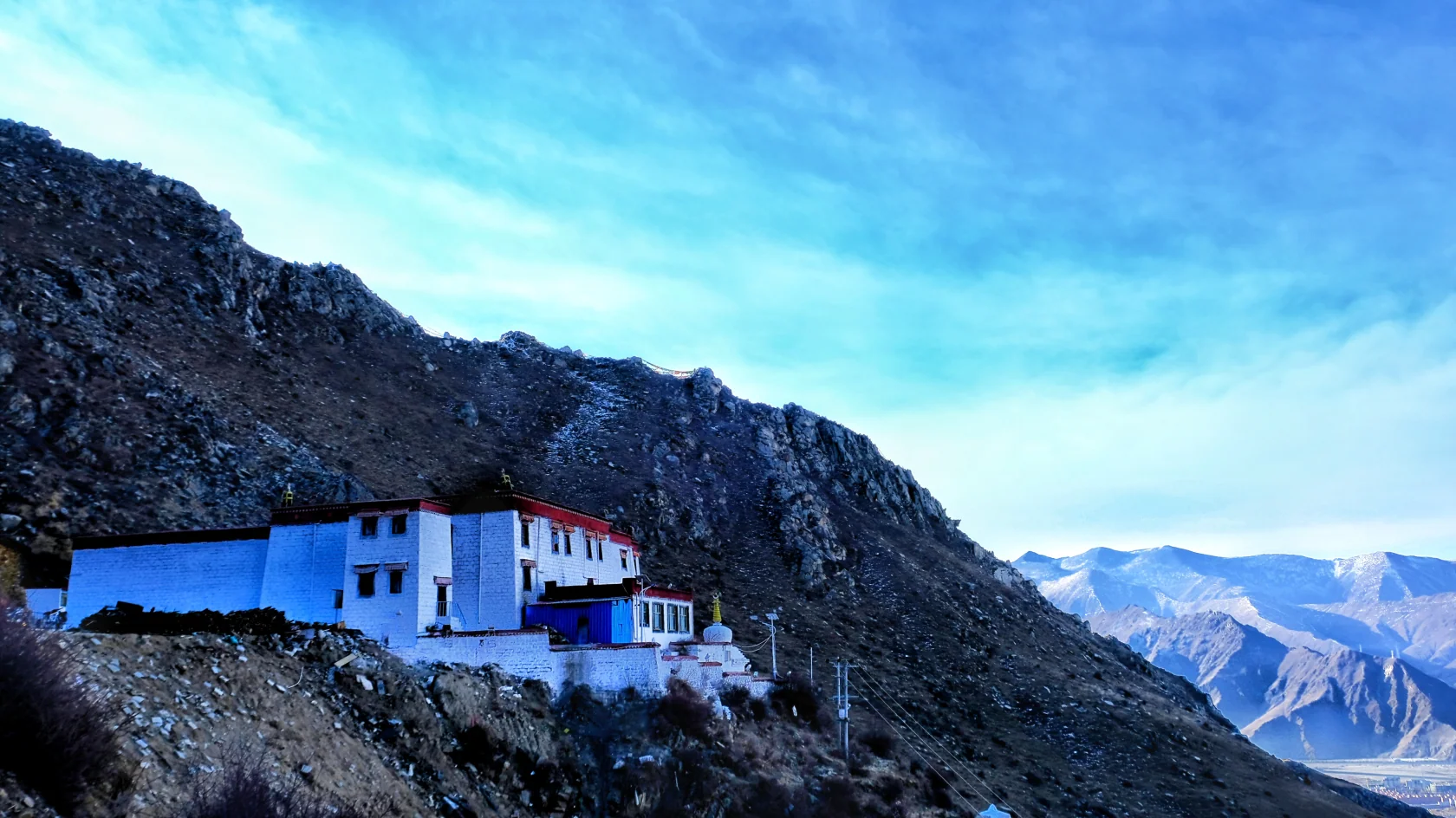
Michungri is a Gelug nunnery on high ground north of Lhasa. Known for views across Lhasa and the surrounding mountains, it offers a quiet setting to encounter Tibetan faith. Respect the nuns’ practice and daily lives and ask permission before photography.
Thousand Buddha Cliff & Kangyur Stone Scripture Tower སྟོང་སྐུ་རི་བོ་།
Southwest of the Potala Palace on Chakpori Hill, Thousand Buddha Cliff and the Kangyur Stone Scripture Tower are places of faith along the Lingkhor pilgrimage circuit. The cliff preserves painted Buddhist figures and other rock carvings whose origins are traditionally traced to the reign of King Songtsen Gampo. Nearby, the stone scripture tower is piled with slabs carved with the Kangyur, part of the Tibetan Buddhist canon. Visit quietly without disturbing pilgrims’ prayers and follow local guidance for photography.
Visitor information:Sites such as the Potala Palace may require reservations and identity checks. Visiting hours, permitted items, photography rules and monastery events can change; check the latest guidance before departure. At altitude, take breaks and travel at a comfortable pace. View practical information ↗
AROUND LHASA · Lhasa Outskirts
Sights around Lhasa
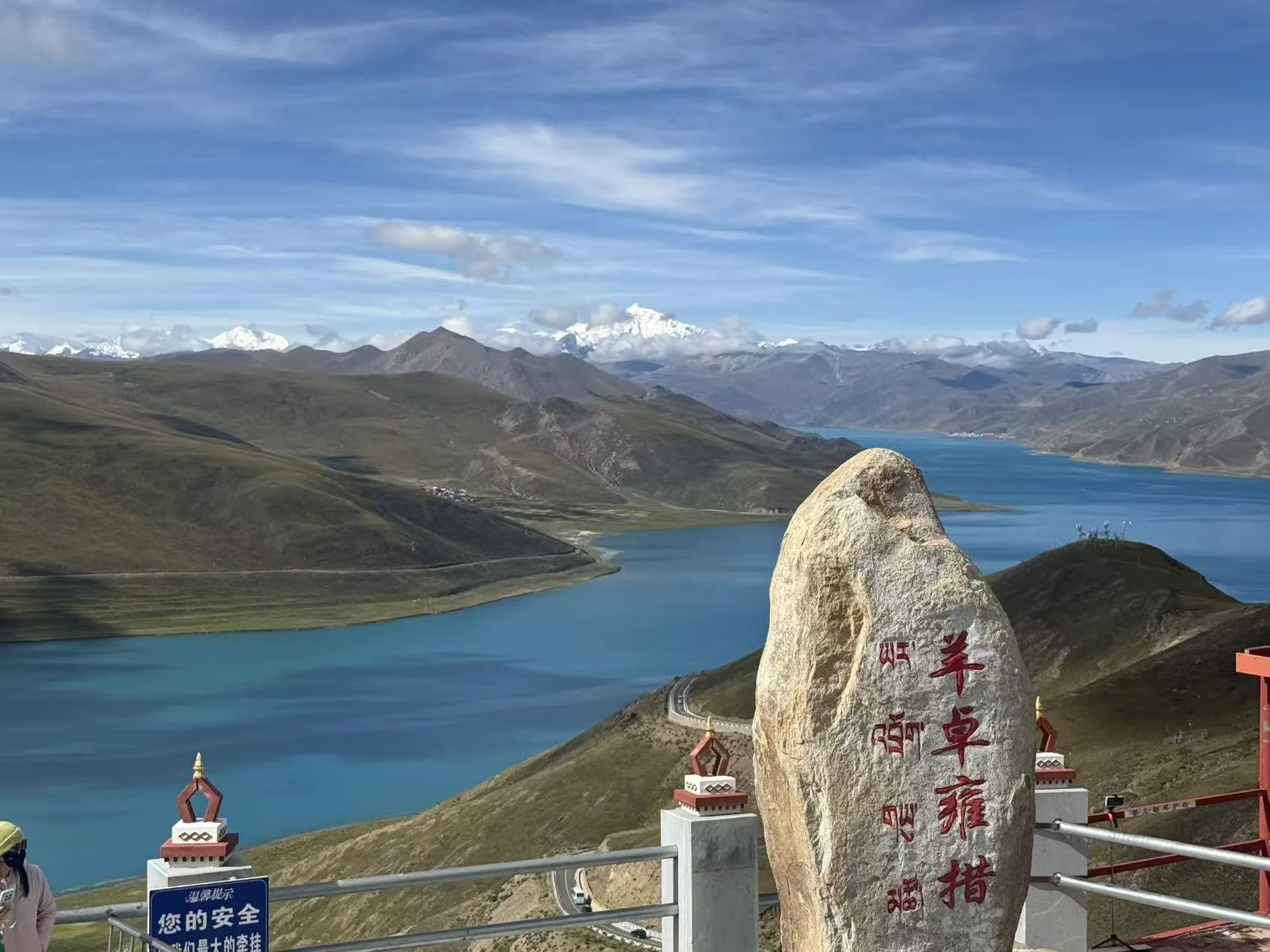
Lakes, grasslands, hilltop monasteries and great rivers surround the sacred city of Lhasa. Yamdrok Lake and Namtso are cherished as Tibet’s sacred lakes. We arrange visits to suit your itinerary and physical condition.
Yamdrok Lake
A lake southwest of Lhasa at about 4,400m. From Kampa La Pass, enjoy views of its intricate shoreline, blue waters and distant mountains. Travel time varies with weather and road conditions.
Namtso
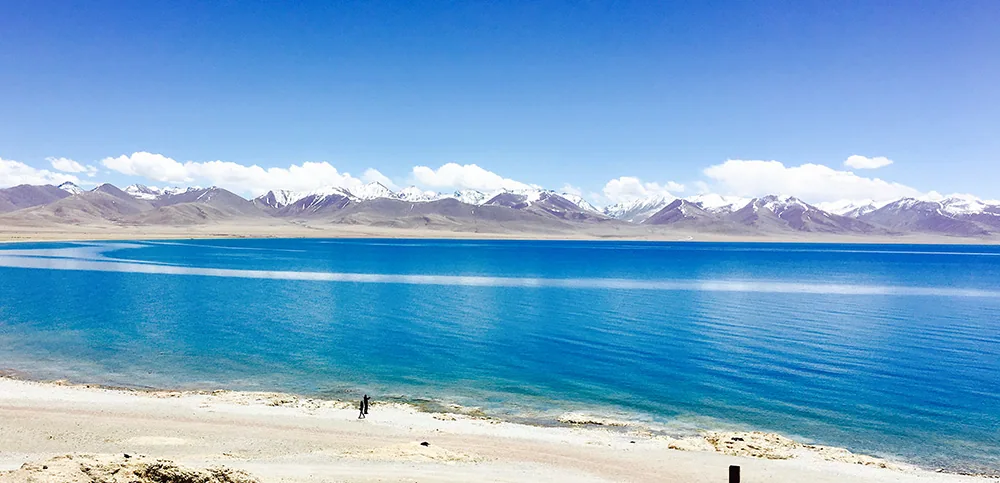
A sacred plateau lake north of Lhasa. Its Tibetan name means “Heavenly Lake,” and the Nyenchen Tanglha range stretches along its southern side. At about 4,700m, sufficient acclimatization and attention to your health are essential.
Ganden Monastery
An important Gelug monastery founded by Tsongkhapa in 1409. The monastery spreads across a mountainside, and the surrounding pilgrimage path offers valley views. Respect monastery guidance and etiquette during your visit.
Yarlung Tsangpo
A great river flowing east across the Tibetan Plateau and through the Himalayas to become the Brahmaputra. Broad valleys and scenes of daily life line its banks. If you encounter local funeral rites or places of prayer, refrain from photography and show quiet respect.
Access to high-altitude areas and lakes depends on the season, weather and local rules. Confirm conditions before departure and allow a comfortable pace. View Lhasa & Yamdrok Lake journeys ↗
TSETANG · SHANNAN
Sights in Tsetang
Tsetang in the Yarlung Valley preserves Tibet’s early history and culture. A legend of descent from a monkey, an emanation of Avalokiteshvara, and a rock ogress is passed down as a story of the people’s origins. Ancient palaces, temples and royal tombs dot the surrounding area.
Samye Monastery
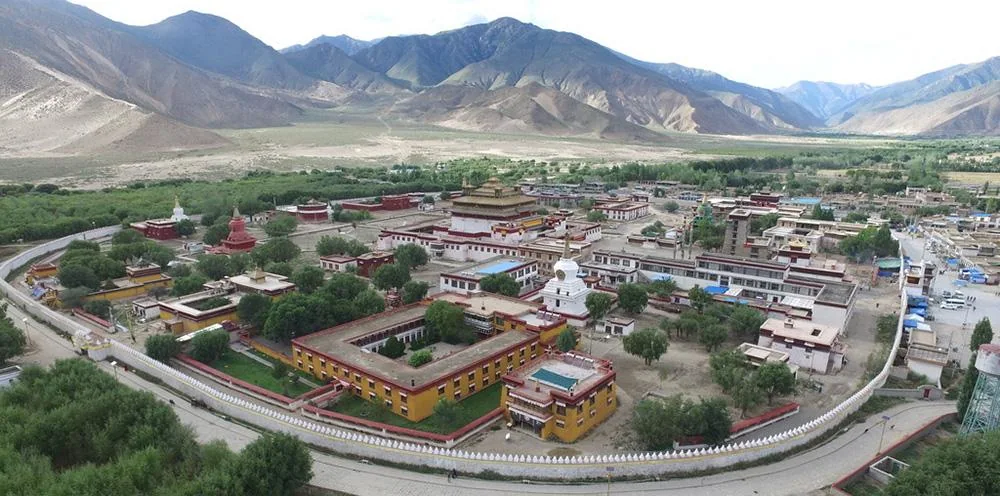
Founded in the 8th century, this monastery conveys the history of Tibetan Buddhism. Its buildings surround the central main hall in a layout expressing Buddhist cosmology. The overall arrangement can be seen from a nearby hill.
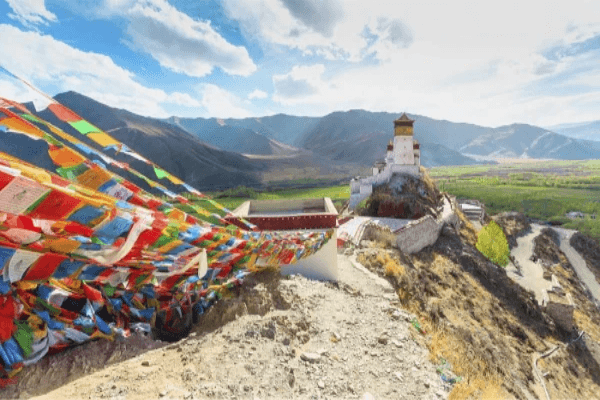
Yumbu Lhakhang
A hilltop building traditionally regarded as Tibet’s first royal palace. The present structure is a reconstruction, surrounded by the rural scenery of the Yarlung Valley.
昌珠寺 Tradruk Temple
An ancient temple linked to the 7th-century King Songtsen Gampo. Alongside murals and Buddhist statues, it is known for a thangka made with pearls and other materials. Check what is open before visiting.
蔵王墓 Valley of the Kings
Royal tombs of the Tibetan Empire around Chongye, known as a place preserving the history of the ancient dynasty.
Mindrolling Monastery
An important Nyingma monastery established by Terdak Lingpa in the 17th century. Visit en route to the Yarlung Valley to encounter the region’s Buddhist culture.
Follow local guidance at monasteries and historic sites, including access and photography rules. Visits are arranged around transport and local conditions. Discuss a Shannan journey ↗
SHIGATSE · 日喀則
Sights in Shigatse
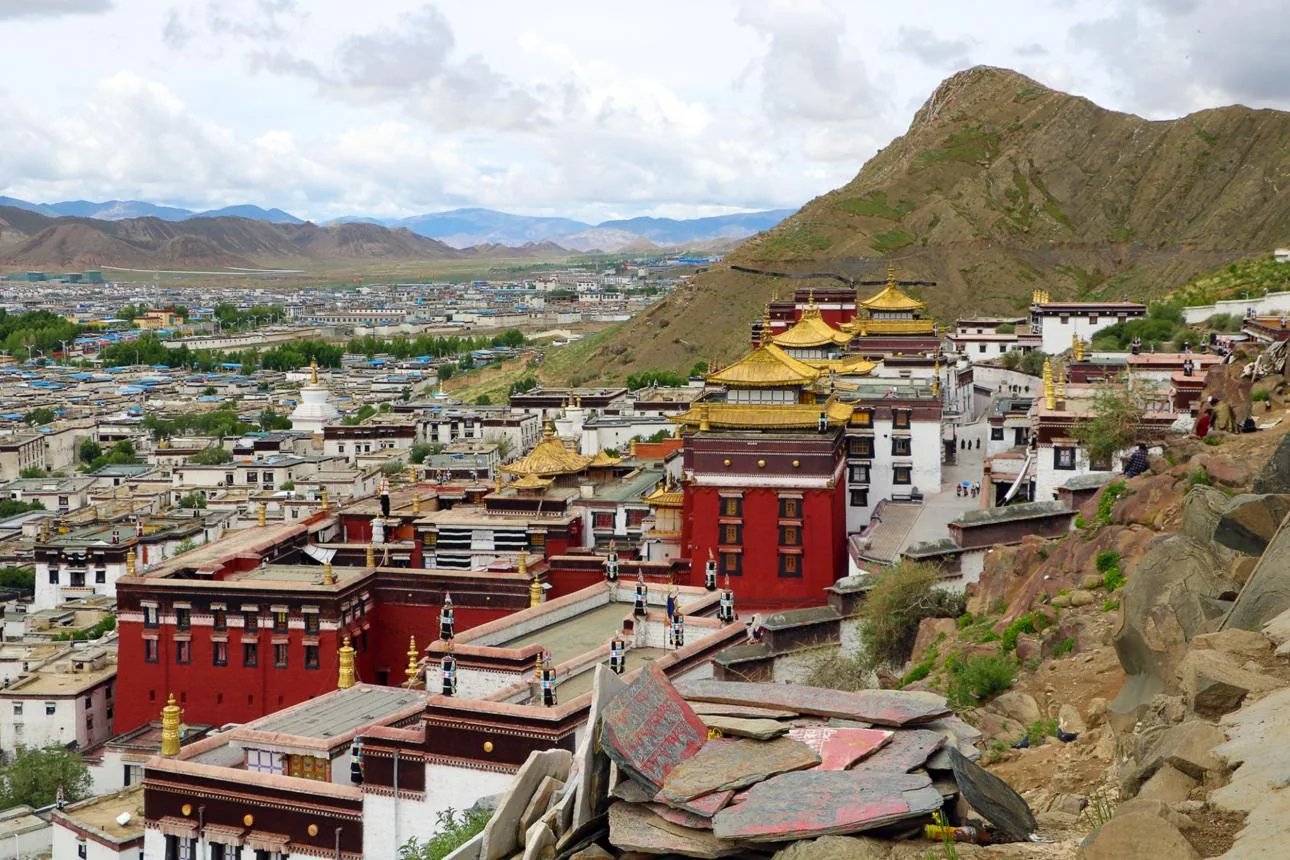
Tibet’s major city after Lhasa, Shigatse developed as the cultural center of Tsang and is a base for journeys to Everest and western Tibet. A legend also recounts Padmasambhava predicting the future of this place.
Tashilhunpo Monastery
Founded in 1447 by Gendun Drup, this major Gelug monastery is a landmark of Shigatse. Known as the seat of successive Panchen Lamas, it has a great assembly hall, a large Maitreya statue and funerary stupas.
Shalu Monastery
A monastery with 11th-century origins and architectural elements from Tibet and China. Associated with the Buddhist scholar Buton, it is also known for intricate murals and mandalas.
Sakya Monastery
The principal monastery of the Sakya tradition. Its mountain setting houses scriptures and murals passed down through a long history. It can be visited on a journey west from Shigatse.
Check access and photography rules with staff at the monastery.
GYANTSE · 江孜
Sights in Gyantse
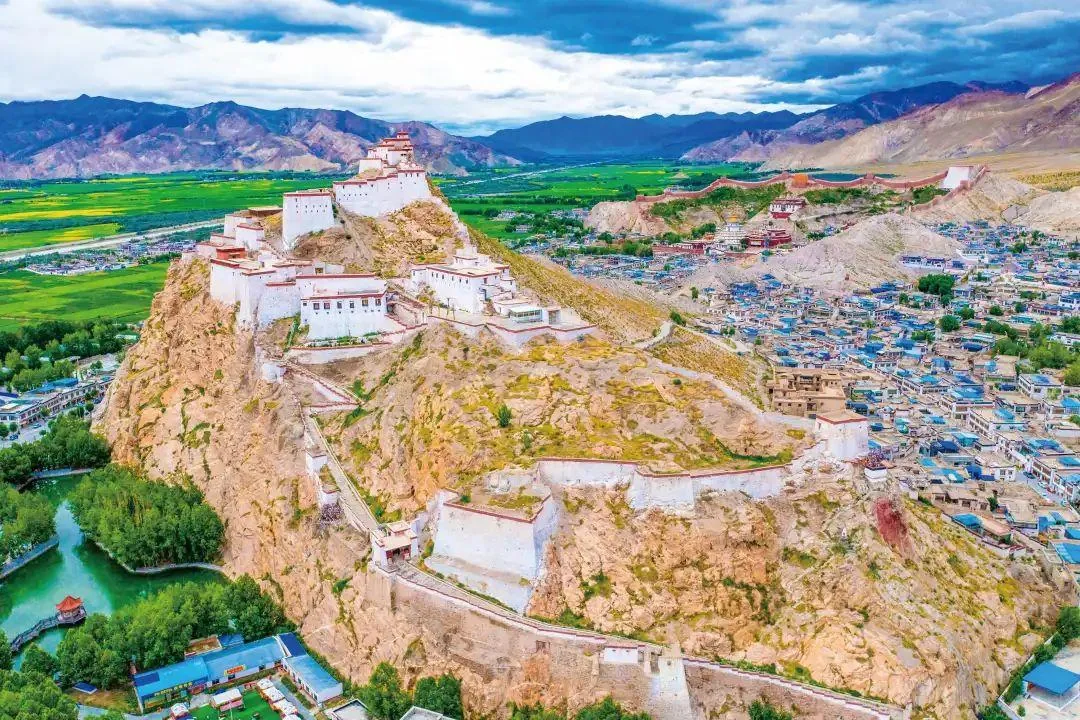
Gyantse is a historic town that once prospered on a trade route toward India. Gyantse Dzong, the fortress overlooking the town, bears witness to the fighting during the British invasion of 1904. Pelkor Chode Monastery and its beautiful stupa remain, offering insights into Tsang’s history and culture.
白居寺 Pelkor Chode Monastery
A monastery founded in the 15th century, known for bringing together monasteries of different traditions. Buddhist statues and murals remain inside, offering art influenced by Tibet and neighboring regions.
Gyantse Kumbum
A large stupa in the grounds of Pelkor Chode Monastery, also called the “Stupa of a Hundred Thousand Buddhas.” Explore its levels to discover numerous chapels, Buddhist statues and murals.
Gyantse Dzong
A fortress watching over the town from a rocky hill. A battleground in 1904, it preserves Gyantse’s history. Please check locally which areas can be visited.
Respect worshippers and follow local guidance on visits and photography.
FIND YOUR WAY
A Tibet journey that fits you
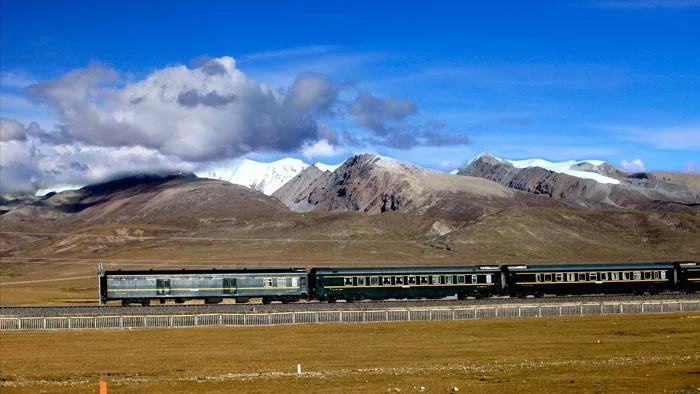
From culture in Lhasa to the Qinghai–Tibet Railway, Everest and the wide landscapes of Ngari. Choose a route around your interests and time.
Snowland Travel is a Tibetan travel team based in Lhasa. We introduce the history, culture, faith and everyday life behind the scenery, sharing the perspectives of people who call Tibet home.
From railway arrangements and permit guidance to local transport and itinerary planning, we shape a considered pace around your interests, time and wellbeing.
Local perspectiveThoughtful introductions rooted in place
Flexible planningAdjustable to your group, days and interests
Compassion in our hearts. Culture in our souls. History as our foundation.
བོད་Tibet · Xining · HimalayaLhasa, Yamdrok Lake, Shigatse, Everest and Ngari. Routes can also connect with Qinghai and neighboring regions.∞A journey made around you
PEOPLE · PLACE · HERITAGE
Tibetan culture beyond the scenery
Monastery etiquette, local tables and seasonal festivals. Travel with respect, and let culture become part of the journey.
OUR PHILOSOPHYSNOWLANDTRAVELLand of Snow · Journeys of the Heart
◇ ─ ◇
Compassion at heart. Culture as our soul. History as our foundation.
Beyond the mountains lie stories of everyday life and living faith. From our home in Lhasa, our Tibetan team invites you to discover the people and traditions behind the landscape.
10 recommended journeys across Tibet & neighbouring regions
These are locally starting and finishing reference journeys. Compare photographs and daily plans, then discuss dates, party size, stays and meals. Listings do not confirm departures or availability.
Reference budgets are not confirmed quotations. Final pricing depends on season, dates, rooms, group size and services. Check international flights, additional nights, single rooms, exchange rates and settlement terms separately.
Journeys through this region
Explore itineraries that visit this region, then compare trip lengths and places you would like to see.
Prices are reference amounts per person, not confirmed departures or availability. Request a quotation for your dates, party size, stays and included services.

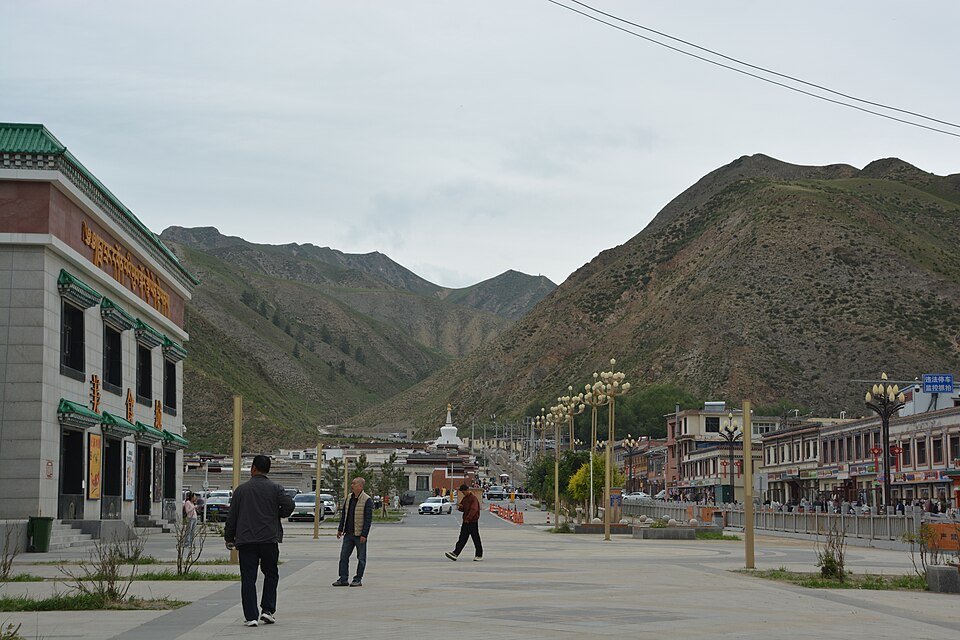 GANSU · DUNHUANG
 AROUND LHASA
 TSETANG · SHANNAN
 SHIGATSE
 GYANTSE
 NYINGCHI
 EVEREST
 WEST TIBET
 QINGHAI
 SICHUAN
 YUNNAN
 Jokhang Temple