Discover history, experience culture, understand faith and meet the people who call Tibet home.
At Snowland Travel, we value the perspectives of people living in Tibet. We introduce you to its rich history, enduring culture and faith, and the rhythms of everyday life.
A journey through Tibetan Buddhist sacred sites, ancient culture and Everest, the world’s highest mountain
Shigatse | Discover Tibet’s history and faith
Shigatse
Shigatse is a leading historical and cultural center of Tsang in western Tibet.
Travel west from Lhasa through the magnificent Yarlung Tsangpo valley to reach Shigatse, surrounded by broad farmland and traditional villages.
The region preserves many monasteries important to Tibetan Buddhist history, including Tashilhunpo, associated with the Panchen Lamas; Sakya, the principal seat of the Sakya tradition; and Gyantse’s Pelkor Chode with its magnificent stupa.
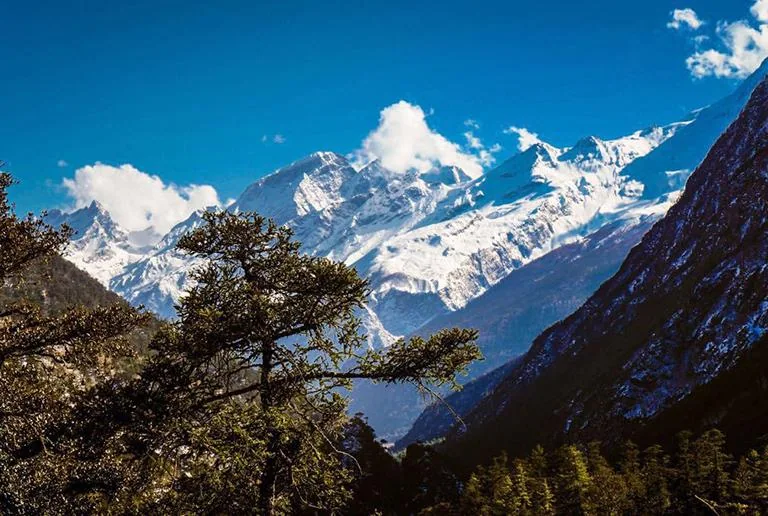
It is also blessed with rich natural scenery: Everest, the world’s highest mountain, Himalayan snow peaks, plateau lakes, glaciers and traditional rural landscapes.
At Snowland Travel, we carefully introduce the region’s inherited history, faith, art and daily life in Japanese, from a Tibetan perspective.
We offer journeys that go beyond famous sights to connect with local stories and people’s hearts.
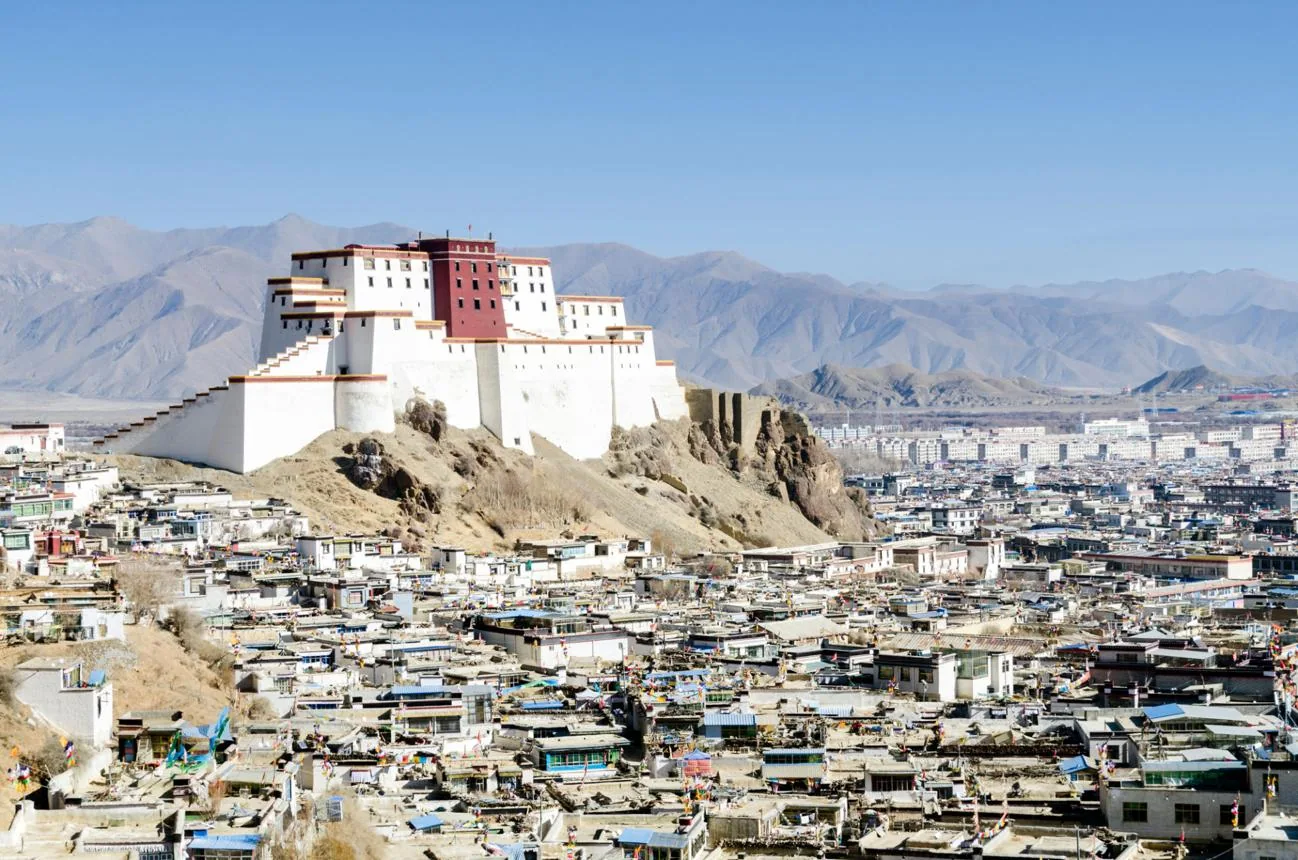
Shigatse Dzong is a historic fortress on a hill overlooking the town of Shigatse.
It once played an important role as the political center of Tsang.
Much of the building visible today has been reconstructed; it is not ancient architecture preserved unchanged.
The red-and-white hilltop architecture is one of Shigatse’s iconic landscapes.
Monasteries & faith
Tashilhunpo Monastery བཀྲ་ཤིས་ལྷུན་པོ།
扎什伦布寺 所在地:日喀則市街
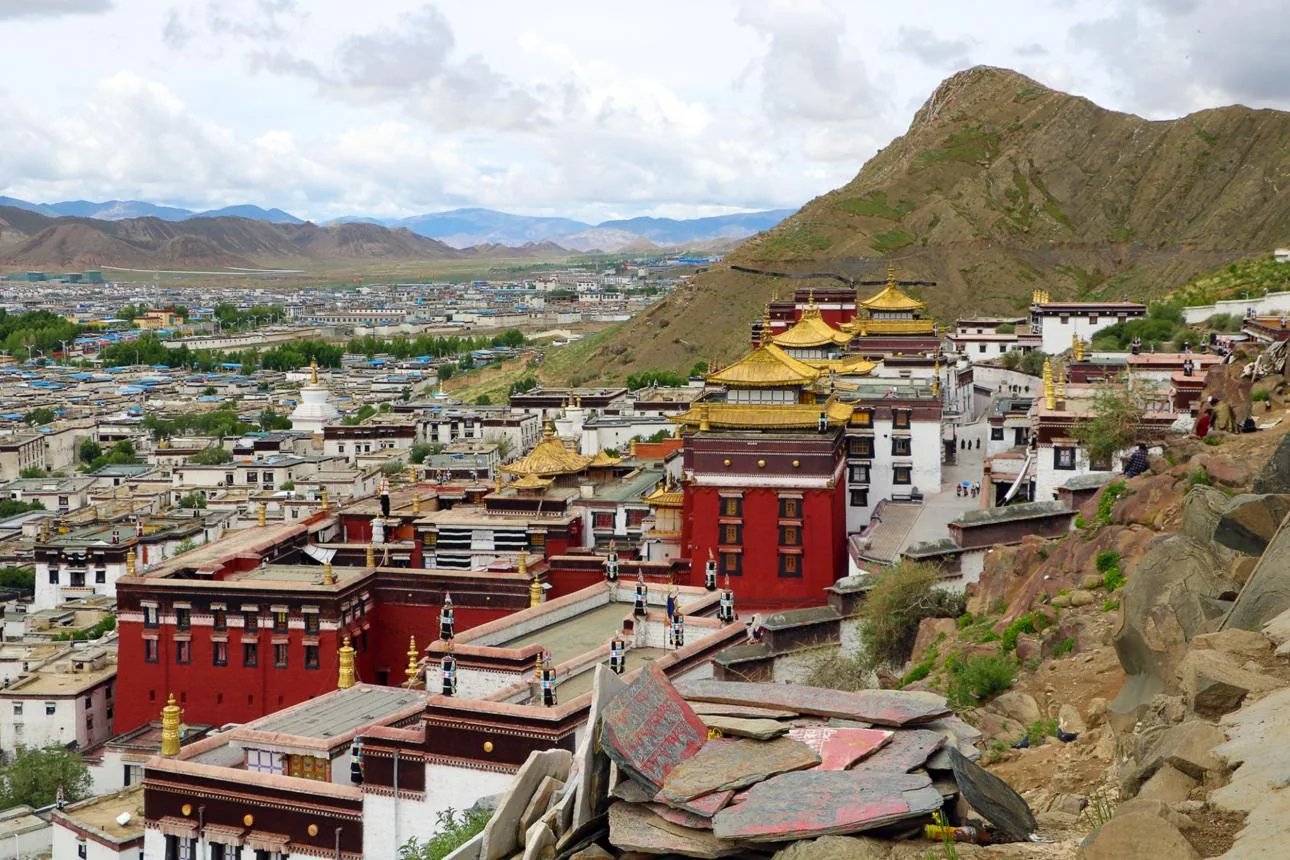
Tashilhunpo is an important Gelug monastery of Tibetan Buddhism founded in 1447 by Gendun Drup.
Closely associated with successive Panchen Lamas, it developed as a religious and cultural center of Tsang.
Its extensive grounds contain golden roofs, red and white walls, large assembly halls, stupas and numerous chapels.
Especially famous is the immense Maitreya statue, about 26 meters tall.
The annual religious ceremony displaying a great Buddhist image is also an important local tradition.
When visiting Tashilhunpo, look beyond the architecture and statues to the pilgrims turning prayer wheels and offering prayers.
Tibetan faith passed down through generations remains alive here.
Sakya Monastery ས་སྐྱ་དགོན་པ།
萨迦寺 Location: Sakya County, Shigatse
Sakya Monastery, founded in 1073, is the principal monastery of Tibetan Buddhism’s Sakya tradition.
The name “Sakya” is said to derive from the grayish-white soil where the monastery was built.
The monastery’s distinctive red, white and gray colors harmonize beautifully with the surrounding mountains.
Sakya was also an important cultural center where Buddhist philosophy, history, literature, medicine and other fields developed.
It is particularly known for preserving vast collections of Buddhist scriptures and ancient documents.
Recommended for travelers who wish to study Tibetan history in depth or are interested in ancient Buddhist art and architecture.
Shalu Monastery ཞྭ་ལུ་དགོན་པ།
夏鲁寺
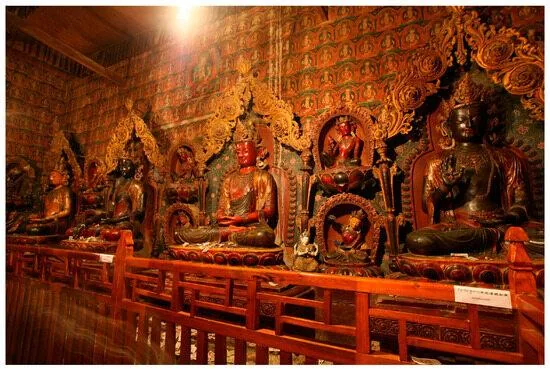
Shalu is a historic Buddhist monastery founded in the 11th century.
It is particularly known for its distinctive architecture blending Tibetan and Chinese styles.
Precious murals and Buddhist art survive here, making it an important place for studying Tibetan Buddhist history.
Shalu is also known for its close links to the work of Buddhist scholar Buton Rinchen Drup.
Rongbuk Monastery རོང་ཕུ་དགོན་པ།
绒布寺
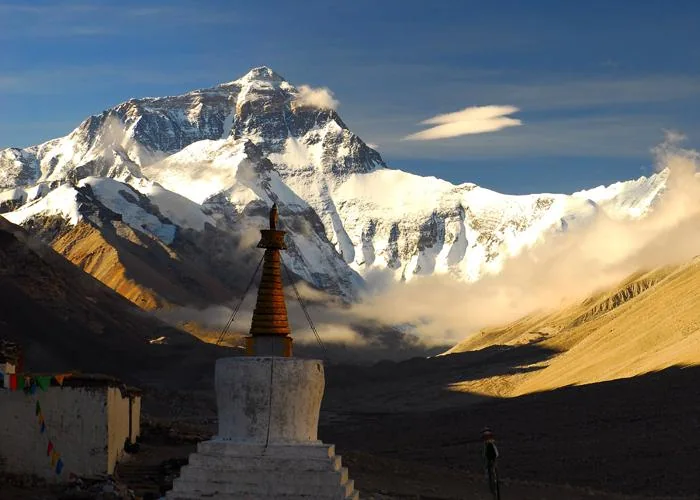
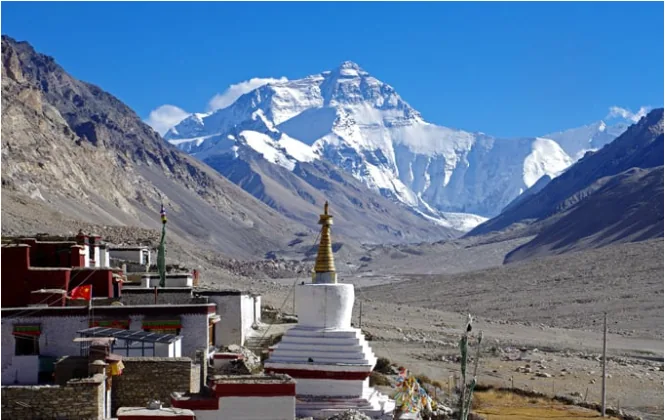
Rongbuk Monastery lies in the mountains north of Everest and is among the world’s highest-altitude monasteries.
Everest, the world’s highest mountain, rises behind the monastery. In favorable weather, you can admire its magnificent north face.
Mountain faith and traditions of religious practice have long been passed down in this region.
Beyond Everest’s magnificent nature, experience a special landscape where the Himalayas meet Tibetan Buddhism’s spiritual culture.
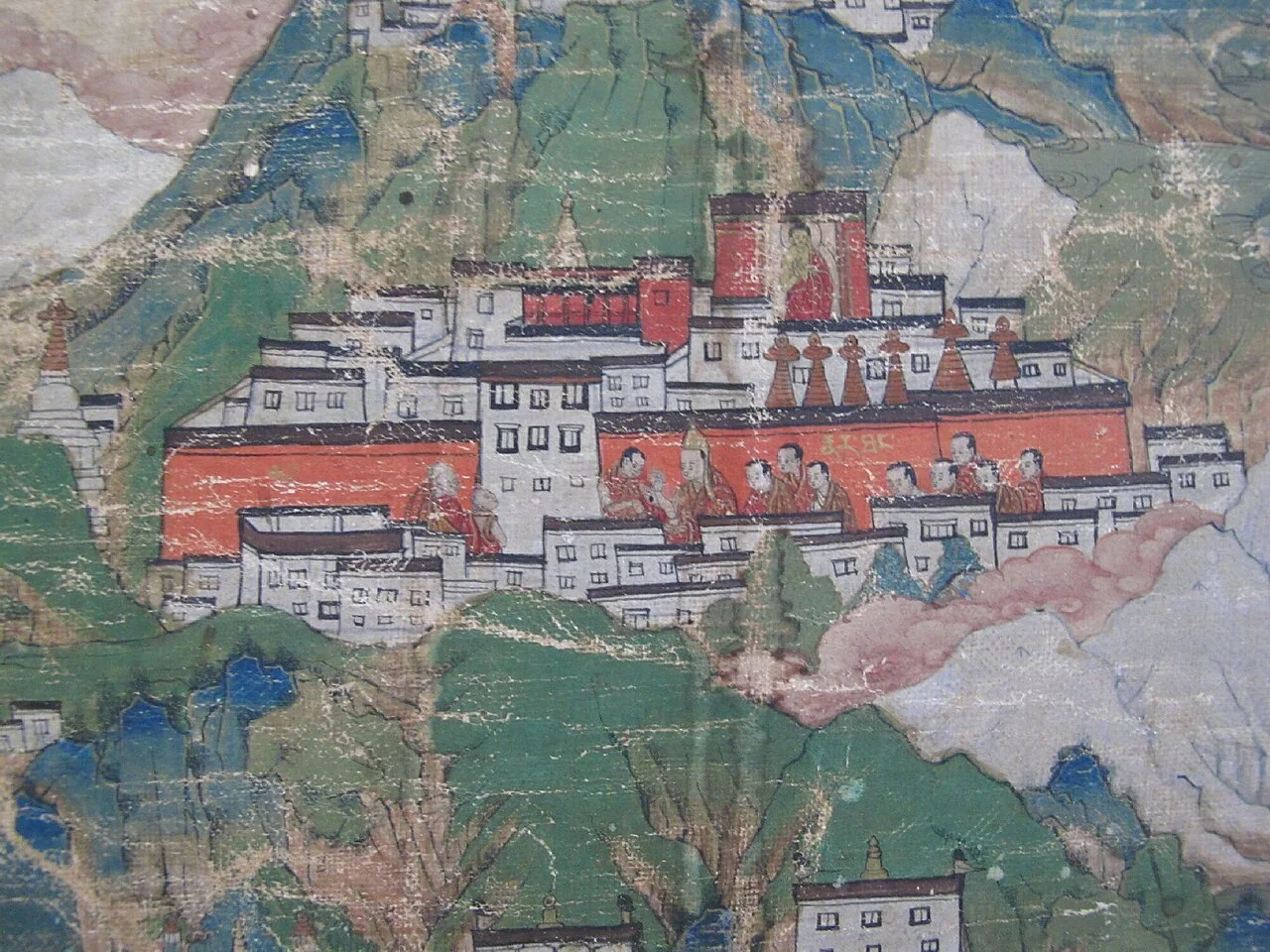
Painting of Narthang Monastery (not a photograph of the buildings’ current condition)
Narthang Monastery སྣར་ཐང་དགོན་པ།
纳塘寺
A historic monastery founded in 1153 with origins in the Kadam tradition. Associated with Buddhist learning and the transmission of scriptures, it later also became known as a center of woodblock printing.
Scriptures were copied, compiled, printed and passed on to people. Following this process reveals monasteries as places that preserved knowledge as well as places of prayer.
We distinguish the old monastery’s history from what is accessible today. Scripture printing and cultural treasures are not guaranteed to be on view; we check conditions at the time of your visit.
Snow mountains & viewpoints
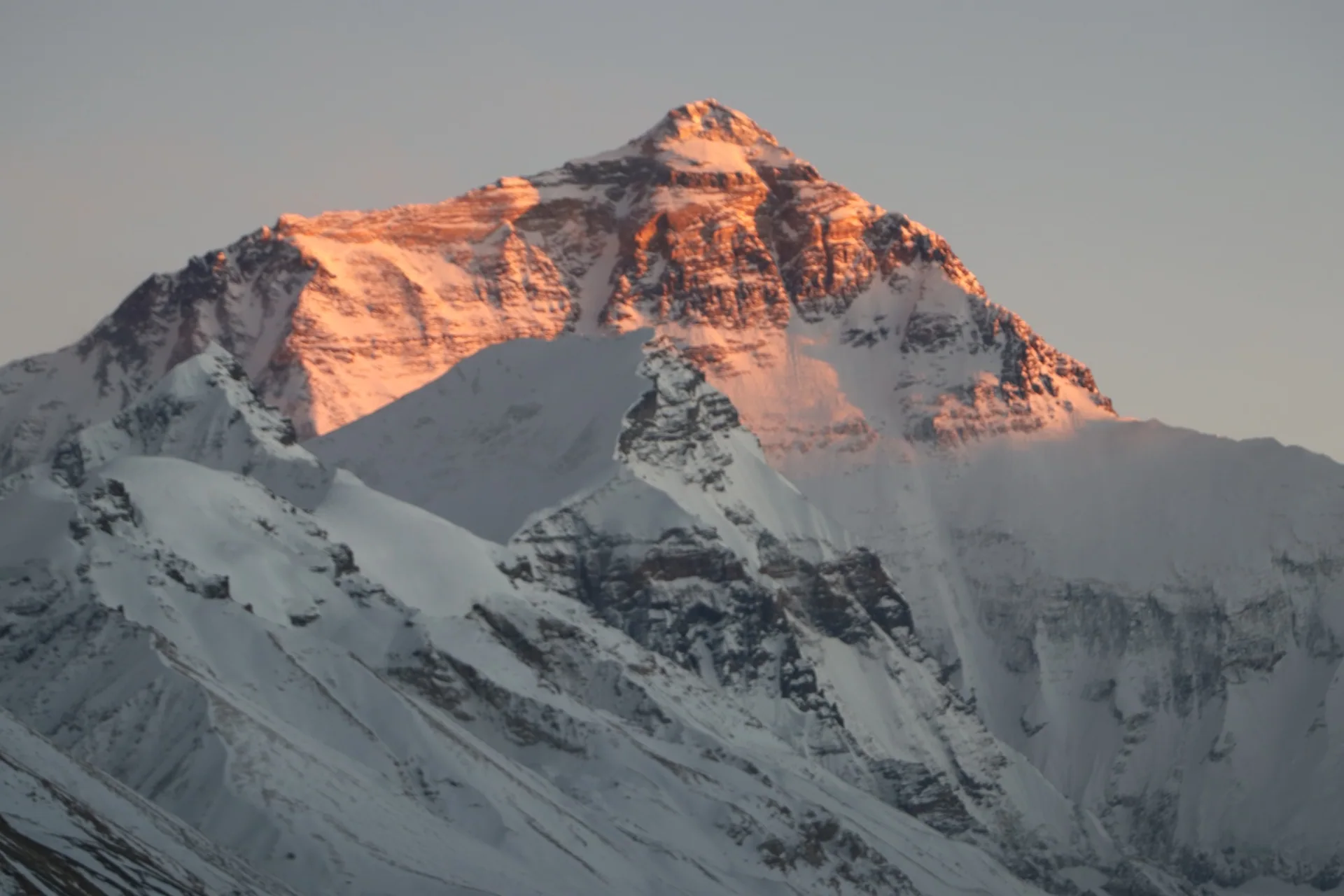
Mount Everest ཇོ་མོ་གླང་མ།
珠穆朗玛峰 標高:8,848.86m
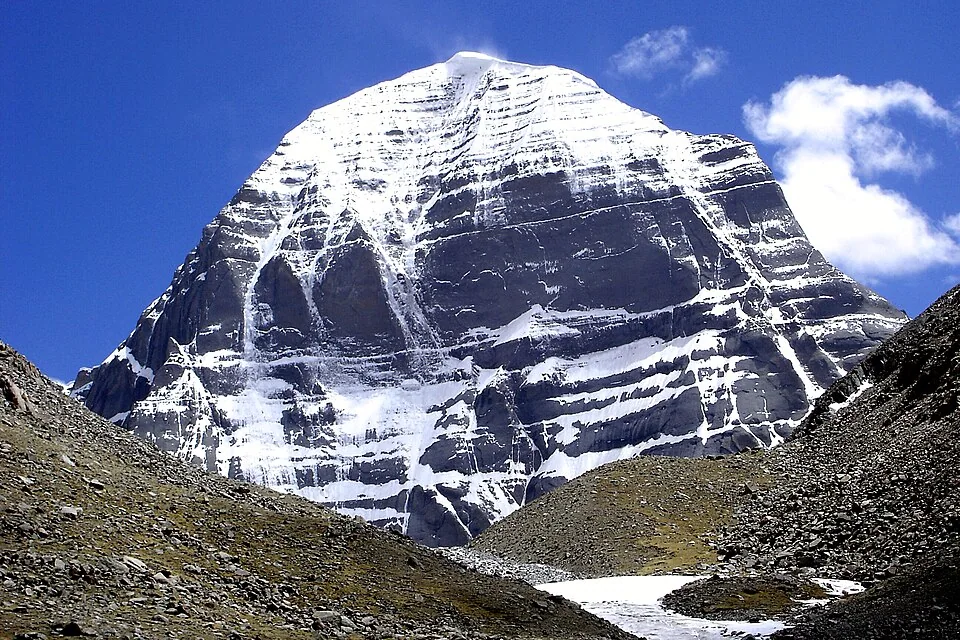
Everest is the world’s highest mountain at 8,848.86 meters.
Known in Tibetan as “Chomolungma,” it is one of the Himalayas’ most magnificent snow mountains.
From the Tibetan side, you can admire its magnificent north face.
Its summit illuminated by sunrise or sunset is a particularly coveted sight for many photographers.
Snowland Travel proposes sightseeing itineraries mindful of Everest’s natural environment and safety on the plateau.
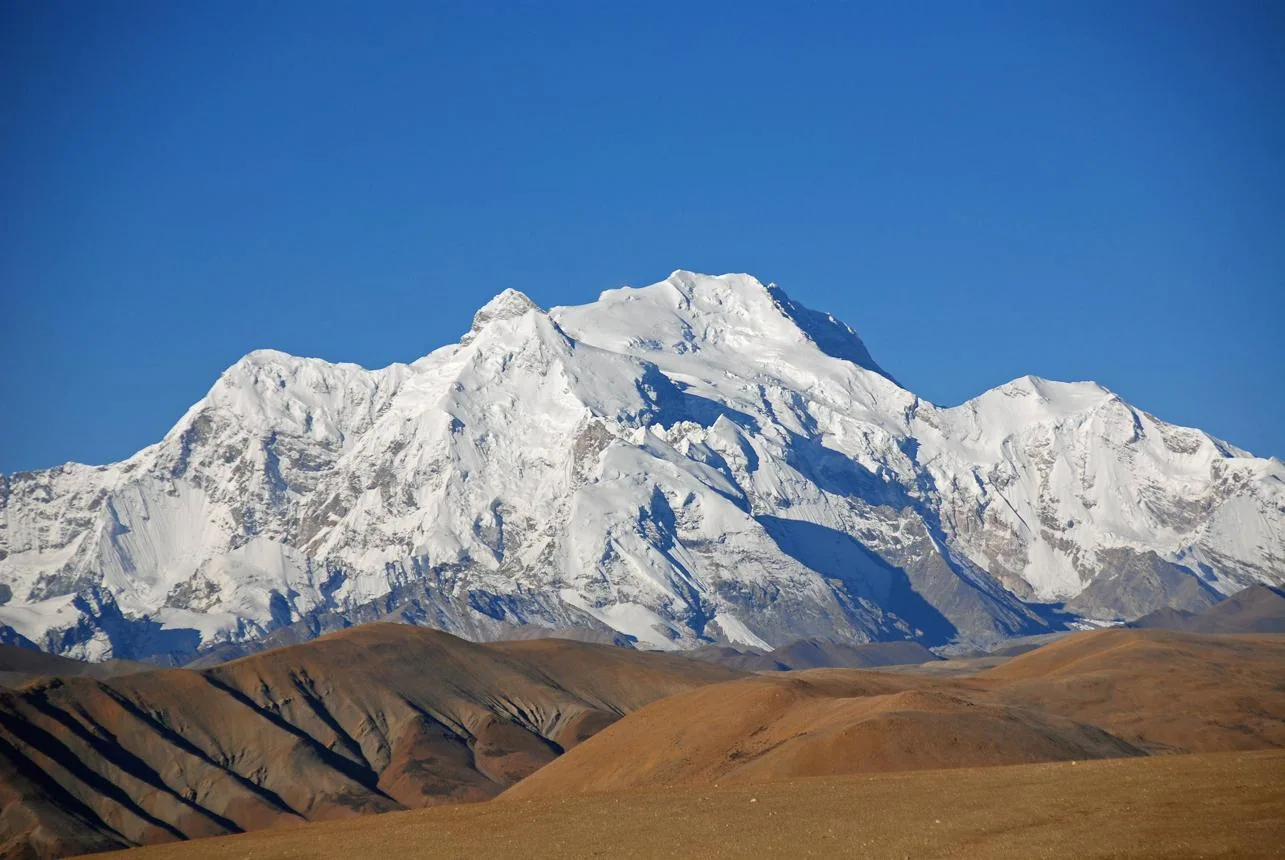
Cho Oyu ཇོ་བོ་དབུ་ཡ།
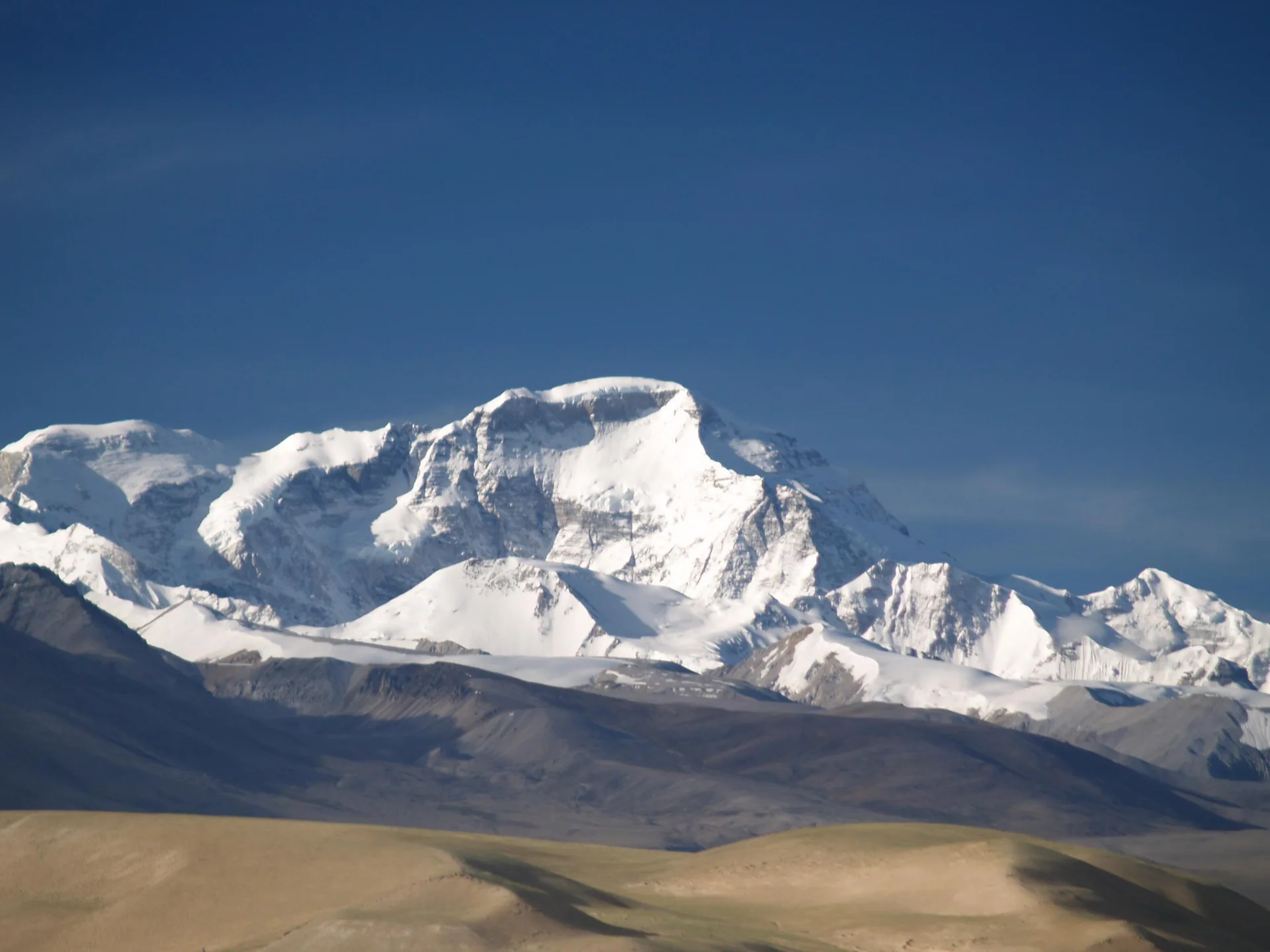
Cho Oyu | The world’s sixth-highest mountain 標高:8,188m
A magnificent snow mountain rising 8,188m above the Himalayan landscape
Cho Oyu is the world’s sixth-highest mountain, at 8,188 meters.
It stands in the central Himalayas on the Tibet–Nepal border, west of Everest, the world’s highest mountain.
Its Tibetan name is commonly described as meaning “Turquoise Goddess.”
On clear days, immense snow walls and glaciers shine beautifully beneath the blue sky, revealing the grandeur unique to the Himalayas.
Magnificent snow peaks viewed from the Tibetan Plateau
Together with Everest and Shishapangma, Cho Oyu is one of the notable 8,000-meter peaks visible from the Tibetan side.
Its north face, viewed from Tibet, is especially characterized by broad snowfields, glaciers and a gently sloping summit area.
Plateau grasslands and stark mountain landscapes surround it. In clear weather, enjoy the beautiful contrast of snow peaks and blue sky.
At sunrise or sunset, the snow mountains may turn pale gold or pink.
Magnificent Himalayan snow peaks from the Tibetan Plateau
Look up at Himalayan snow peaks from the plateau. As light reaches the summit, slopes of snow and ice turn pale gold or pink, revealing a different face from the daytime view.
Take time to quietly enjoy magnificent nature while watching changing light and moving clouds. We arrange photography locations and time at each stop according to weather and local conditions.
Shishapangma ཤི་ཤ་པང་མ།
希夏邦马峰 標高:8,027m
Shishapangma is a Himalayan peak at 8,027 meters.
It is known as an 8,000-meter peak within the Tibet Autonomous Region.
Surrounding glaciers, plateau lakes and grasslands offer an encounter with the magnificent nature of the Himalayas.
Gawula Pass
Gawula Pass | Panoramic views of the Himalayan peaks
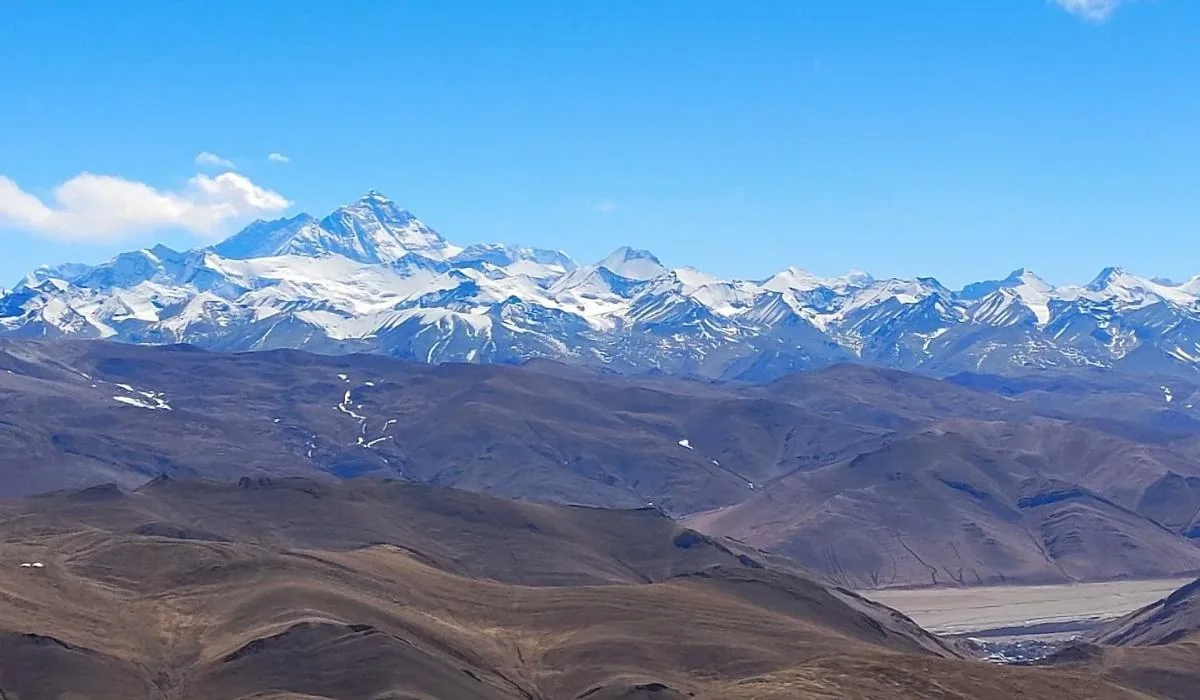
Gawula Pass is a magnificent Himalayan viewpoint on the route from Tingri toward Rongbuk Monastery and Everest. Beyond the plateau’s gently rolling ranges, snow- and ice-clad peaks stretch into the distance, giving a sense of the journey’s scale as you approach the world’s highest mountain.
Its greatest attraction is a panorama seeming to span the Himalayas, rather than a close view of one mountain. On clear days with few clouds, you may see Everest, Lhotse, Makalu, Cho Oyu and other peaks. Compare the overlapping peaks and ridgelines and identify them with your guide.
If the Rongbuk area brings you close to Everest’s northern form, Gawula Pass offers a broader sense of distance between the snow peaks and plateau. Visiting both lets you enjoy the difference between distant panoramas of many peaks and looking up at mountains from closer by.
Alongside telephoto compositions isolating the snow peaks, wide views including dry foreground ridges and valleys are also appealing. Changing light angles and drifting clouds alter the mountains’ shadows, so we value time simply to observe the scenery. Views and the visibility of specific peaks depend on weather.
The pass is at high altitude, requiring care for wind and cold. Photography is from viewpoints where vehicles can stop safely, and visit length is adjusted to the day’s weather, travel schedule and your condition. Snowland Travel offers unhurried journeys into Himalayan nature, including the villages and grasslands along the way.
Lakes & valleys
Peiku Tso
佩枯措
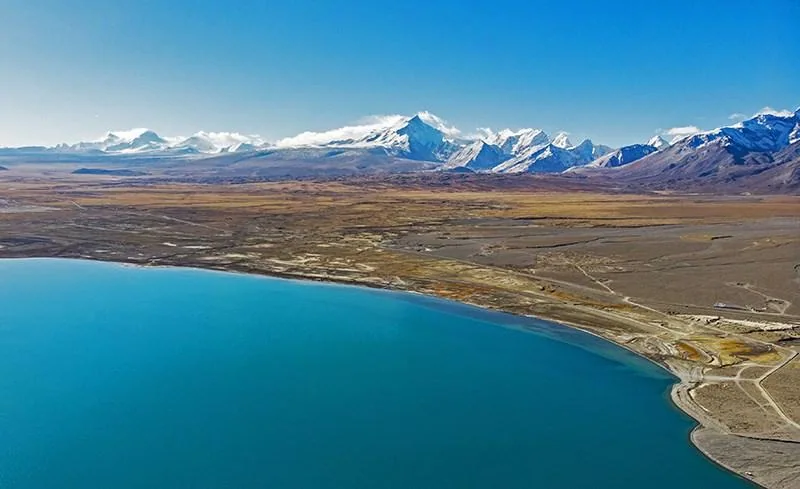
Peiku Tso is a beautiful plateau lake north of the Himalayas.
Broad grasslands and snowy mountains surround it, reflected with the blue sky in its waters on clear days.
It is also recommended for photography trips combined with the natural scenery around Shishapangma.
Kyirong Valley
吉隆沟
Kyirong Valley is a beautiful mountain valley in the southern Tibetan Plateau.
Its landscape changes from a dry, high-altitude plateau to lush, forested valleys.
The region offers traditional Tibetan villages, mountain culture and natural scenery.
Journeys through Tsang from Shigatse
Explore the town’s monasteries and dzong, nearby ancient temples, Pelkor Chode and its stupa in Gyantse, and onward toward Everest. Although all are in the Shigatse region, these destinations are far apart. We suggest itineraries suited to your time and interests, without excessive travel.
We check accessible areas, roads and local visitor arrangements, and guide monastery visits with respect for pilgrims’ prayers and the protection of cultural heritage.
Copyright in this site’s original text, photographs and design belongs to Snowland Travel or the rightful rights holders. Except as permitted by law, reproduction, republication, alteration, distribution, commercial use and other unauthorized use by individuals or organizations are prohibited without our prior written permission.
Copyright in this website’s original text, images and design belongs to Snowland Travel or the lawful rights holder. Except as permitted by law, copying, republication, modification, distribution, commercial or other use requires our prior written permission.
“Snowland” refers to Tibet, the land surrounded by snow-capped mountains. For us, Tibet is both a place of beautiful scenery and our homeland, where history, culture, faith and people’s ways of life have been passed down.
“Travel” expresses our wish for journeys that do more than visit destinations: they uncover local stories and connect with people’s prayers and daily lives. As a local company run by Tibetans, we introduce our homeland in our own words.
Compassion in our hearts, culture in our souls, history at our roots.
Guided by this principle, we respect local culture and people and tailor journeys to your interests. To encounter the heart of Tibet beyond the snowy mountain scenery: this is the wish behind every Snowland Travel journey.
Land of Snow · Journeys of the Heart
Journeys through this region
Explore itineraries that visit this region, then compare trip lengths and places you would like to see.
Prices are reference amounts per person, not confirmed departures or availability. Request a quotation for your dates, party size, stays and included services.

 Tashilhunpo Monastery
 Shalu Monastery