Discover history, experience culture, understand faith and meet the people who call Tibet home.
At Snowland Travel, we value the perspectives of people living in Tibet. We introduce you to its rich history, enduring culture and faith, and the rhythms of everyday life.
Yunnan Tibetan Highlands & the Yunnan–Tibet Highway
Villages beneath snowy peaks, forest-fringed lakes, and monasteries alive with prayer. From Shangri-La to Deqin and Weixi, explore Yunnan’s Tibetan cultural regions. We introduce both the beautiful landscapes and the lives of those who call them home, thoughtfully and from a Tibetan perspective.
Shangri-La: town, monasteries and lakes
Ganden Sumtseling Monastery
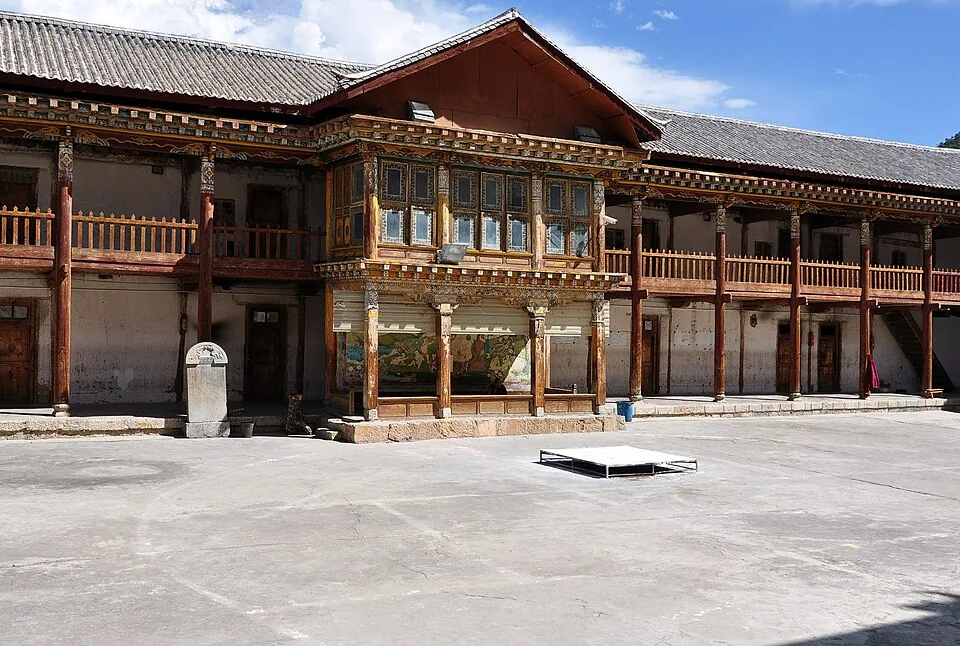
Monastery halls rise along a hillside, their golden roofs reaching skyward. Below, pilgrims’ footsteps quietly mingle with everyday town life. Songzanlin Monastery is an important place to discover Yunnan’s Tibetan Buddhist culture. Alongside its magnificent architecture, we introduce a living monastery where study and prayer continue.
Take the approach steps slowly, pausing for rest. Inside, follow access and photography rules and avoid disturbing religious activities. The monastery’s appearance from nearby Lamuyangcuo Lake also changes with the light and the water’s surface.
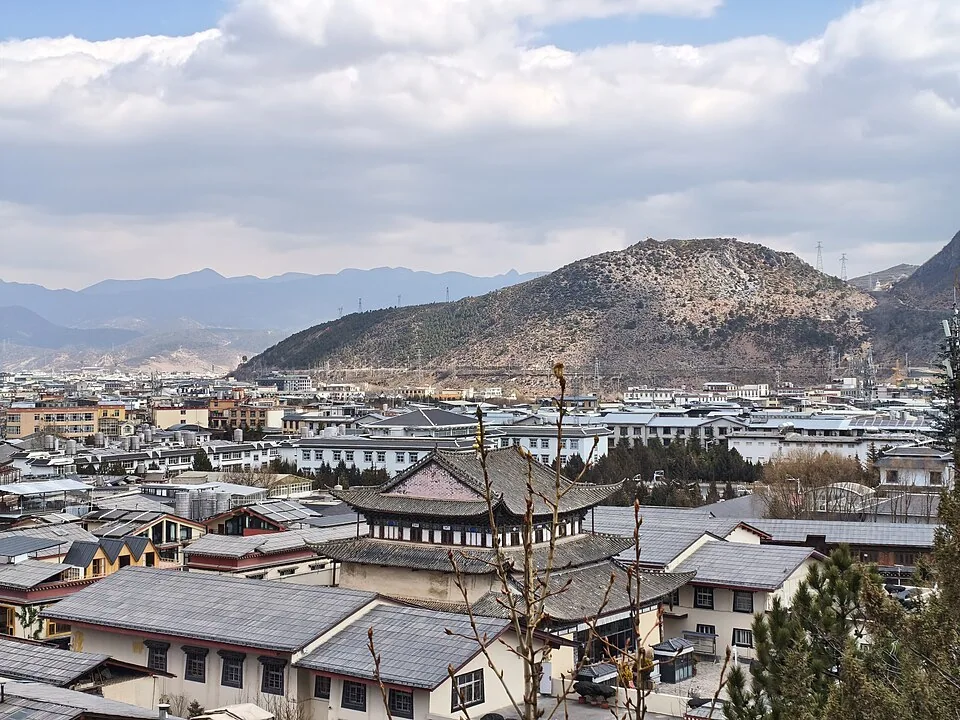
Dukezong Ancient Town
Wooden houses line the cobbled streets of Shangri-La’s old town. Walk through a place where memories of trade meet present-day life, discovering plateau culture beyond its monasteries. Browsing teahouses and craft shops is another pleasure of the journey.
Old buildings coexist with streets rebuilt after the fire. Combine a walk with Guishan Park and Moonlight Square to understand the architecture’s background. When photographing square dances or people, respect participants’ wishes.
Napa Lake & Yila Grassland
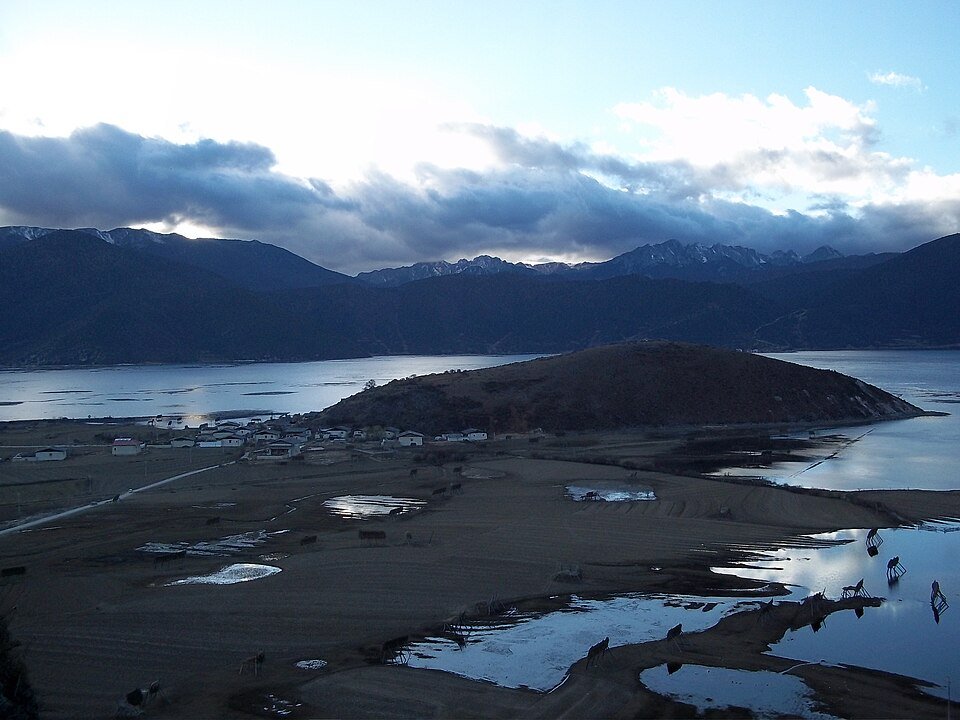
At Napa Lake, open water, wetlands and grasslands shift with the seasons. Wet and dry periods bring different scenery to the same place, with sky, mountains and grazing animals forming a broad panorama. Migratory birds can also be seen in winter.
Use lakeside roads and designated viewing areas; do not wander into wetlands or grazing land. Watch birds quietly from a distance without feeding them. The lake does not maintain the same expanse of open water throughout the year.
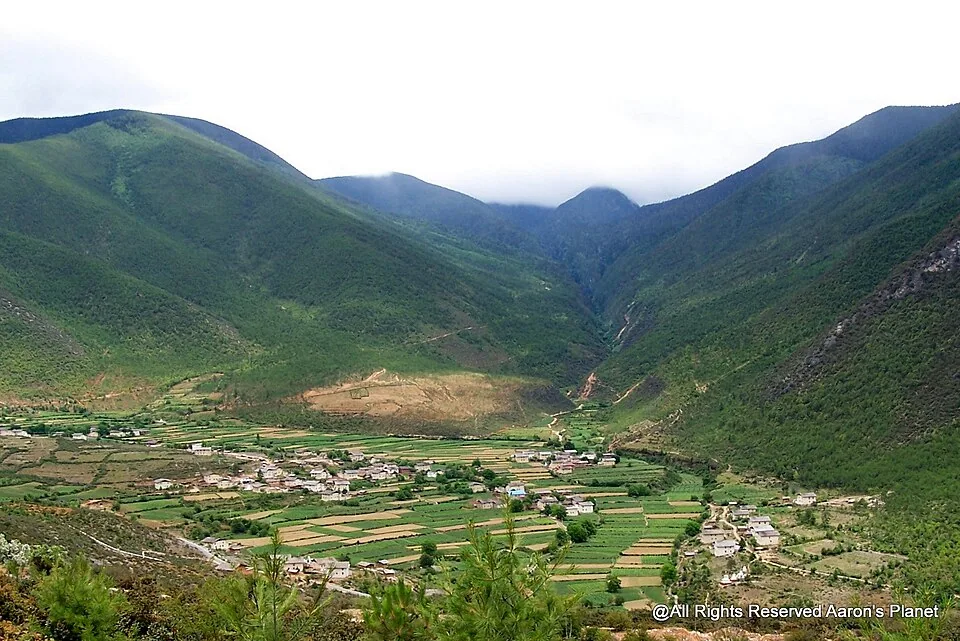
Nixi village scenery
Nixi & Tangdui Black Pottery Traditions
Passed down in mountain villages, black pottery is a craft closely tied to cooking and everyday life. Learning about clay textures, vessel shapes and firing reveals craftsmanship rooted in local living, beyond the finished pieces in shops.
Workshop visits are arranged after confirming availability. The photograph shows the village landscape of Nixi. Obtain permission before photographing artisans at work or other people; demonstrations are not guaranteed at all times.
Pudacuo · Shudu Lake
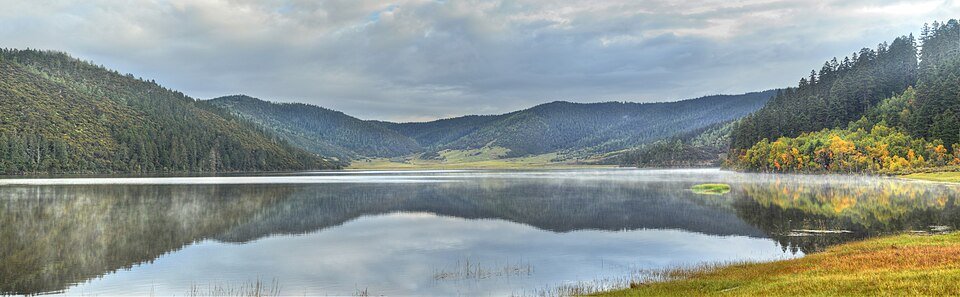
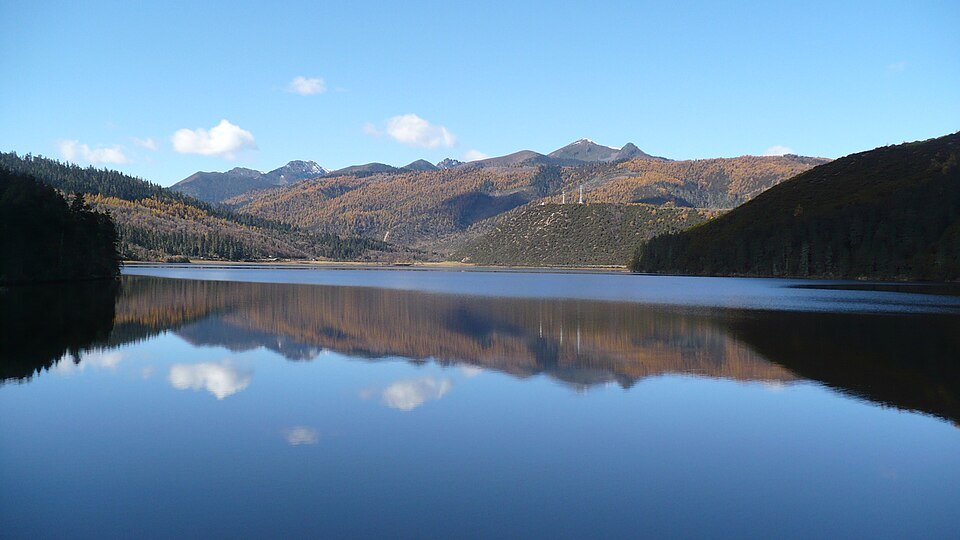
Beyond the forest, water opens out beside meadows and the shadows of trees. At Shudu Lake in Pudacuo, enjoy waterside walks that invite attention to nature’s details, rather than distant snow peaks alone. Lichens hanging from branches and seasonal flowers also reflect the mountain environment.
Walk within the park’s open areas and transport arrangements. Staying on boardwalks and leaving plants and animals undisturbed helps preserve this scenery for future visitors. Walking distances are adjusted to your condition.
Pudacuo · Bita Lake
Forest-ringed lakes and wetlands reveal another side of Pudacuo. Beyond panoramic lake views, notice waterside plants, forest colors and reflected clouds to appreciate the quiet richness of the plateau.
Access around Bita Lake may change for conservation or management reasons. We follow arrangements in effect at your visit, without assuming that locations in older photographs remain accessible. We introduce it as a separate lake from Shudu Lake.
白水台Baishuitai · White Water Terraces
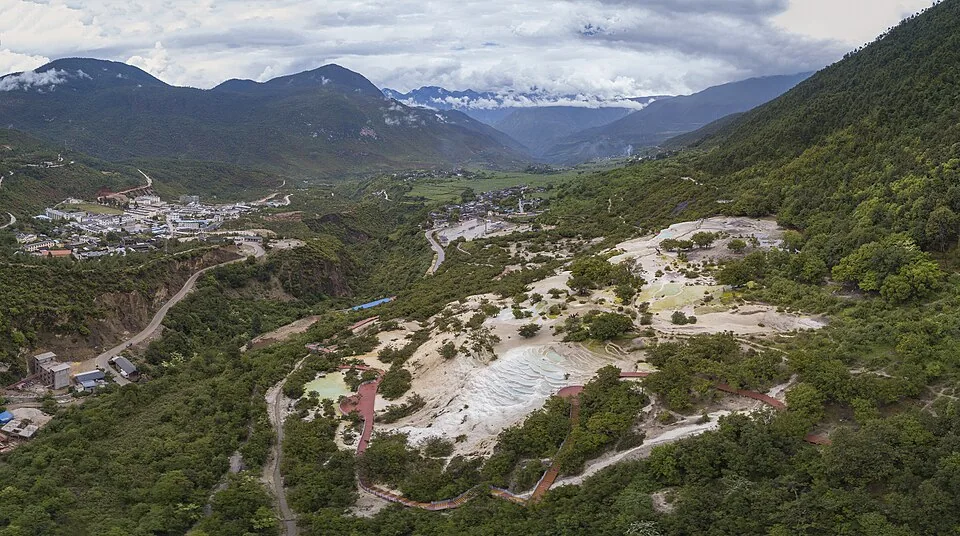
Water flows over the white terraces of Baishuitai, tracing gentle curves. Formed over a long period by calcium-rich water, this landscape is also closely connected to Naxi Dongba culture. Understanding its natural forms and local beliefs enriches the view.
Although within Shangri-La’s administrative area, this site has a different cultural background from Tibetan Buddhist monasteries. Use designated paths; do not step onto the white deposits or place objects in the water.
Snow peaks and gorges: southern Shangri-La
石卡雪山Shika Snow Mountain
This mountain area near Shangri-La shifts your perspective from plateau town to alpine scenery. Above the forest lie meadows and rocky slopes, with distant mountain views in favorable weather. We introduce both its landscapes and its significance in local beliefs.
We check cable car and viewing facility operations in advance. Rapid ascents can strain the body, so we choose time at altitude to suit your condition instead of rushing toward a summit.
Haba Snow Mountain
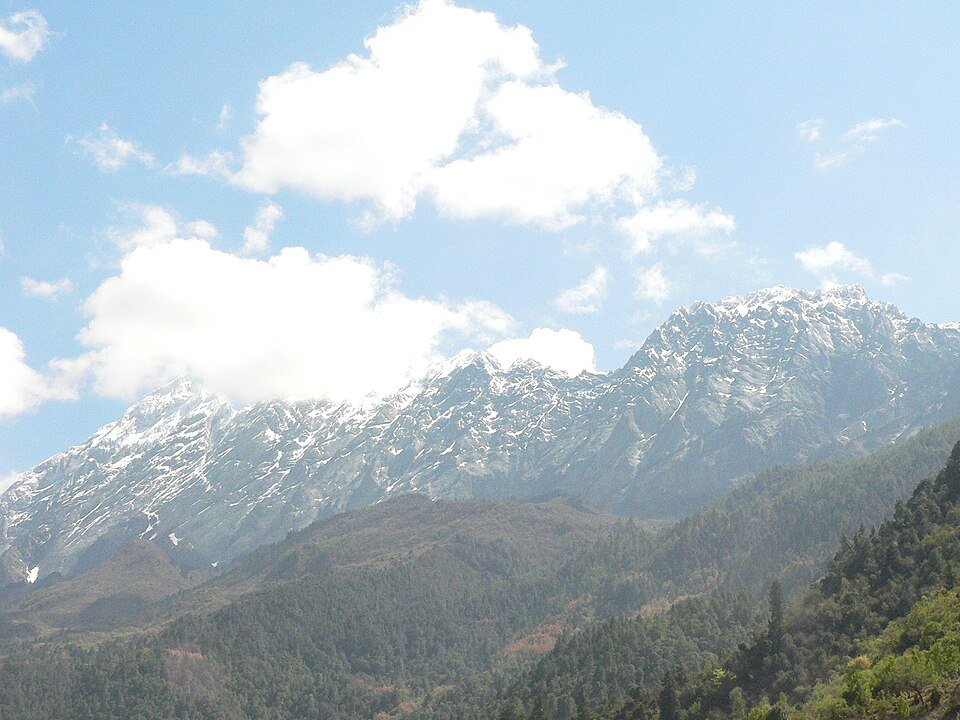
White peaks rise above valley villages and forested slopes. Haba Snow Mountain reveals the dramatic elevation differences around Tiger Leaping Gorge. Viewing villages, pastures and the summit together gives a sense of the whole landscape beyond a photograph of the snow peak alone.
Viewing the mountain from villages or roadsides and climbing to its summit are different trips. Mountaineering is not treated as casual sightseeing: experience, equipment, permits and weather require specialist checks. Ordinary visits enjoy the mountain from manageable viewpoints.
虎跳峡Tiger Leaping Gorge
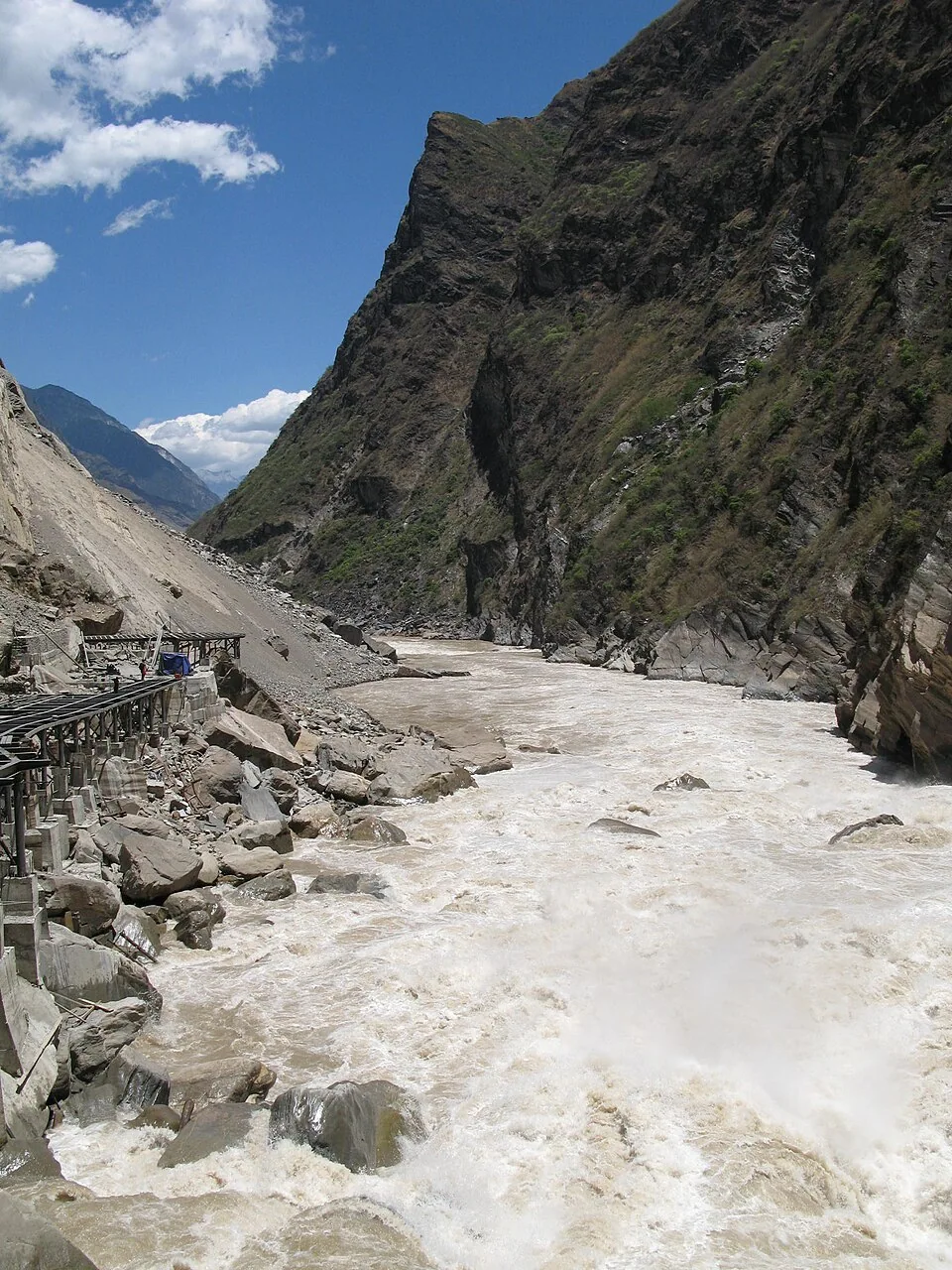
The Jinsha River cuts a deep gorge between Jade Dragon and Haba Snow Mountains. Comparing the river below with the cliffs overhead brings home the immense scale of the Hengduan Mountains. River color, flow and mountain views vary by season.
Visits to the developed Upper Tiger Leaping Gorge are planned separately from hikes on the high trail or toward Middle Tiger Leaping Gorge. Where cliff paths or long stairways are involved, destinations depend on access and fitness. Follow local management during rain or high water.
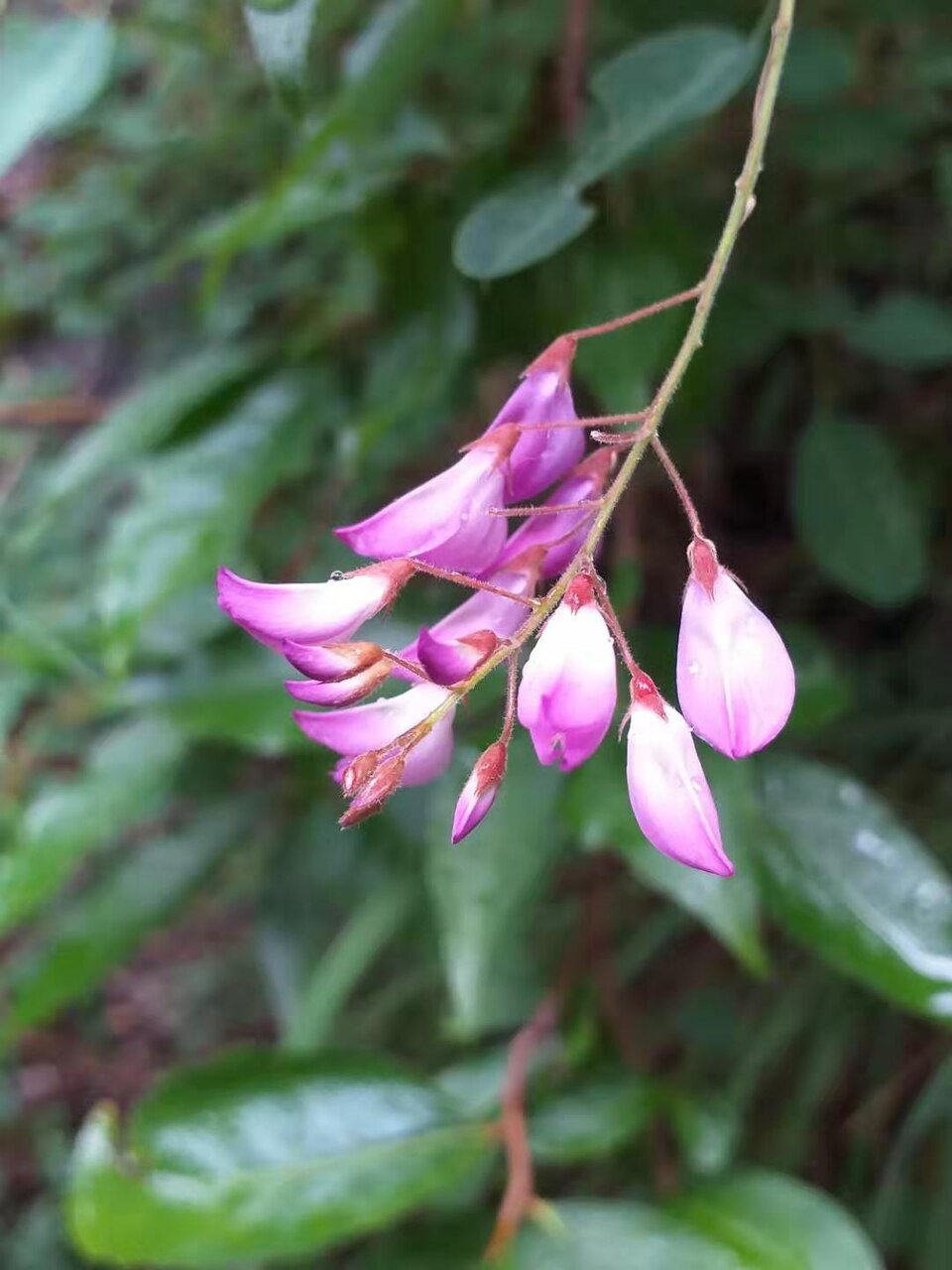
Plants flowering on Balagezong’s cliffs. This is not a panoramic photograph of the gorge.
Balagezong Grand Canyon
Deep valleys, cliffs and peaks beyond: Balagezong reveals the layered mountain scenery of northwestern Shangri-La. Visiting alongside stories of places such as Bala Village also draws attention to today’s lives connected by roads.
Use the scenic area’s buses and open viewing facilities. High viewpoints, villages and the valley floor have different transport conditions, so we plan around the day’s operations without promising every photographed location in one visit.
Deqin: Meili Snow Mountains and paths of prayer
Meili mountainsMeili Snow Mountains
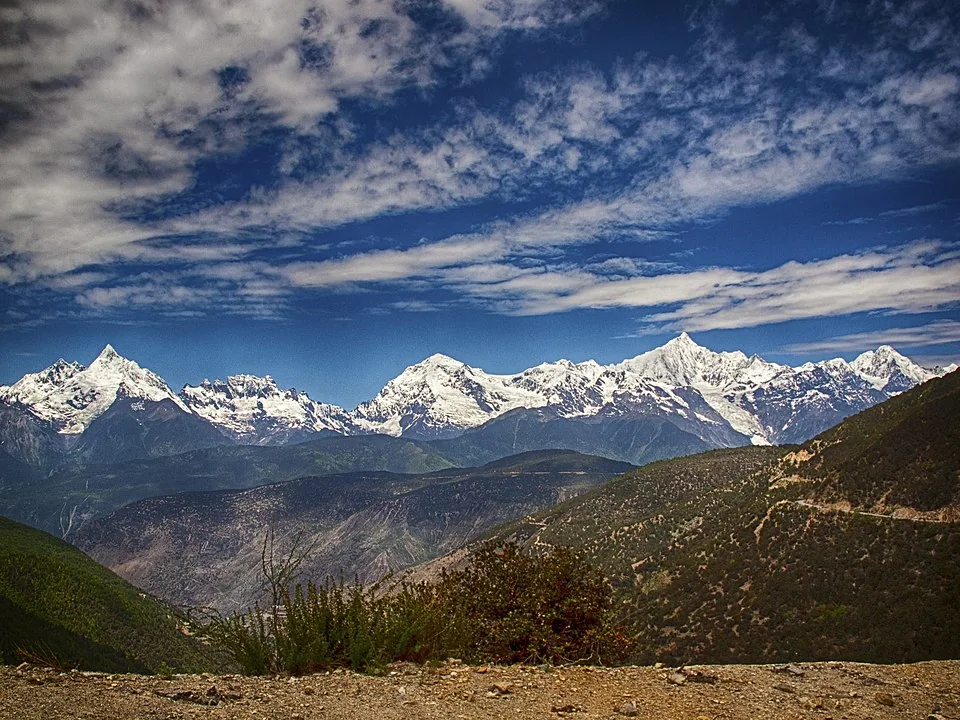
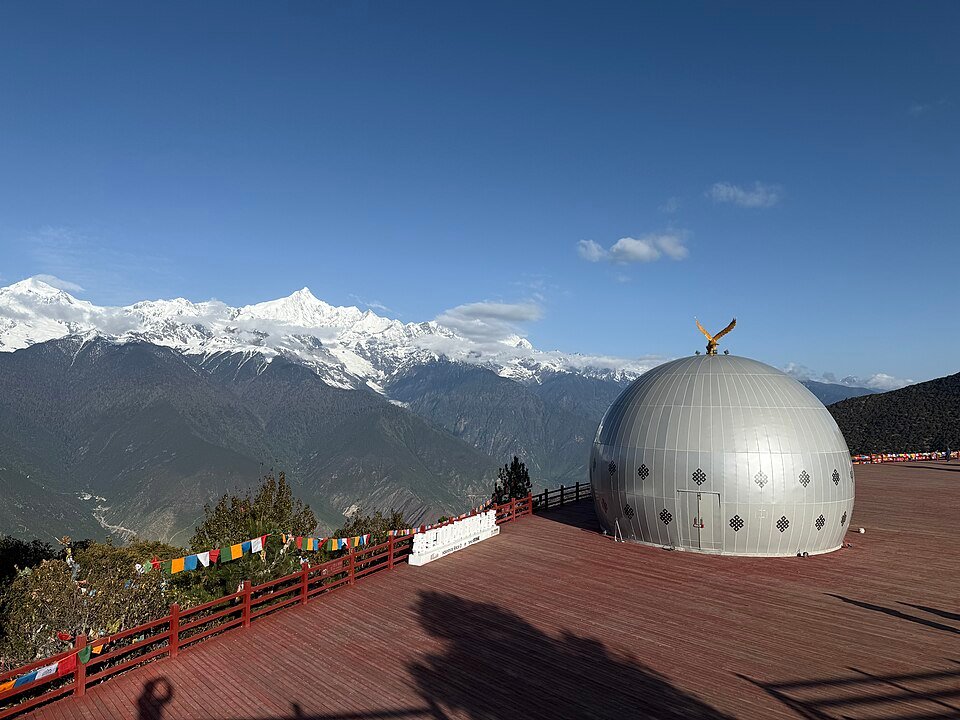
Beyond the Lancang River valley, snow-covered peaks stand like a folding screen. A journey to Meili is also an encounter with the faith of those who revere Kawagarbo as sacred. Morning light and clouds in the valley continually change the mountains’ appearance.
Views depend on the weather. Whether waiting for dawn colors or finding summits hidden by cloud, enjoy the journey together with foothill villages and valley scenery. We respect this sacred mountain and do not offer summit climbs.
Kawagarbo (Khawa Karpo)
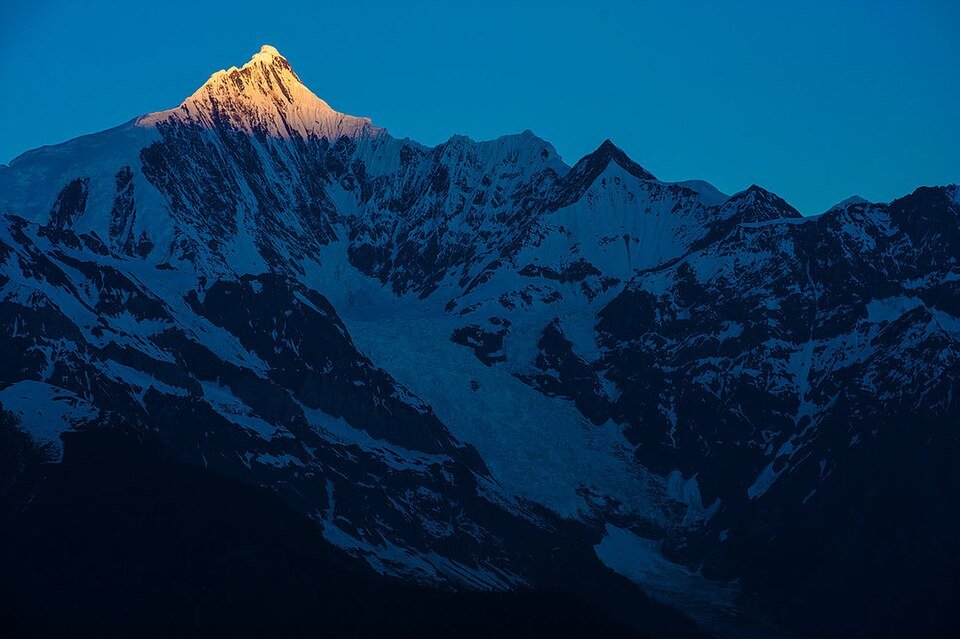
At 6,740m, Kawagarbo is known as Meili’s main peak. Its sharp summit and walls of snow and ice convey both its immense scale and the devotion of those who pray toward it. Local guides also carefully explain place names and pilgrimage stories.
A sightseeing journey to view the mountain differs from a long pilgrimage walk. Requests to visit pilgrimage trails require individual checks of access, travel days and fitness. Summit views and golden sunrise illumination are not guaranteed.
Miancimu Peak
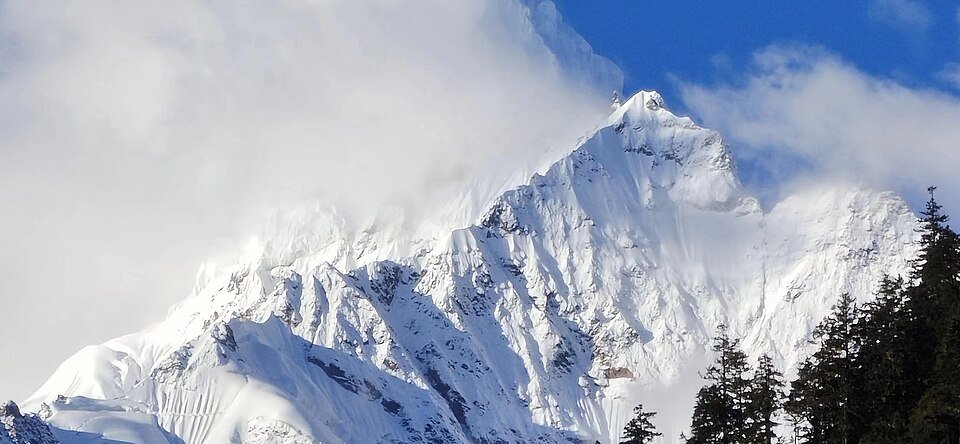
This is one of Meili’s characteristic peaks, with graceful ridges and snowy slopes. Looking beyond the main summit reveals different peak shapes and the sequence in which light reaches them. Enjoy the view alongside local mountain stories.
The visible area changes with viewpoint and cloud positions. We combine time for telephoto details with wider views incorporating valleys and villages.
Views around Feilaisi
This viewing area looks toward Meili’s peaks beyond white stupas and prayer flags. While waiting for the morning mountains, enjoy the sky shifting from night blue to daylight. We combine views from your accommodation with open public viewpoints.
We distinguish Feilaisi Monastery itself from the surrounding viewing facilities. Dress warmly and photograph respectfully around others and places of prayer, even in crowds. Views from specific rooms require confirmation of booking conditions.
Yubeng Villages
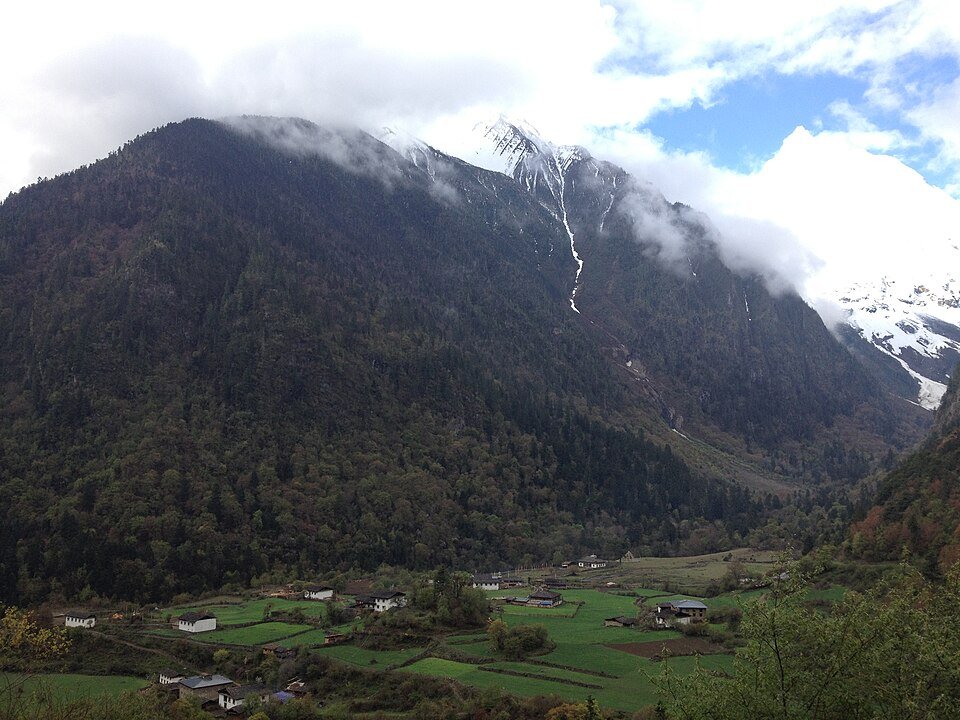
In Yubeng, houses and fields nestle beneath snowy mountains. Upper and Lower Yubeng bring together mountain scenery and village life. Gaze into the valley opening like a great window, step away from long transfers and settle into the mountains’ pace.
Transport and access to Yubeng follow local arrangements. Village stays are planned separately from hikes to the Sacred Waterfall, Ice Lake and other sites, with walking distances, elevation changes and accommodation conditions checked in advance.
Yubeng Ice Lake & Mountain Trails
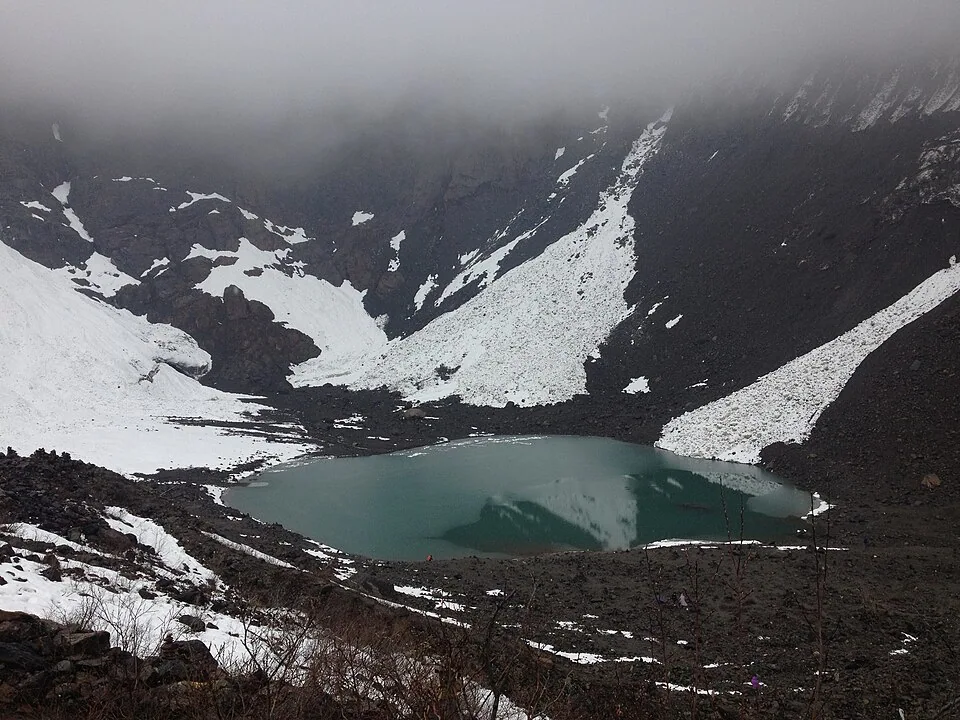
This route crosses mountain slopes, forest and meadows toward a high-altitude lake. It requires more fitness than a village stay in Yubeng, offering a mountain walk through changing environments. Lakes and snow peaks are important natural and sacred spaces for the community.
Long walking and altitude mean this is not a short sightseeing stroll. We check operations, access, remaining snow, weather and your condition, and value the decision to turn back with local guidance when needed.
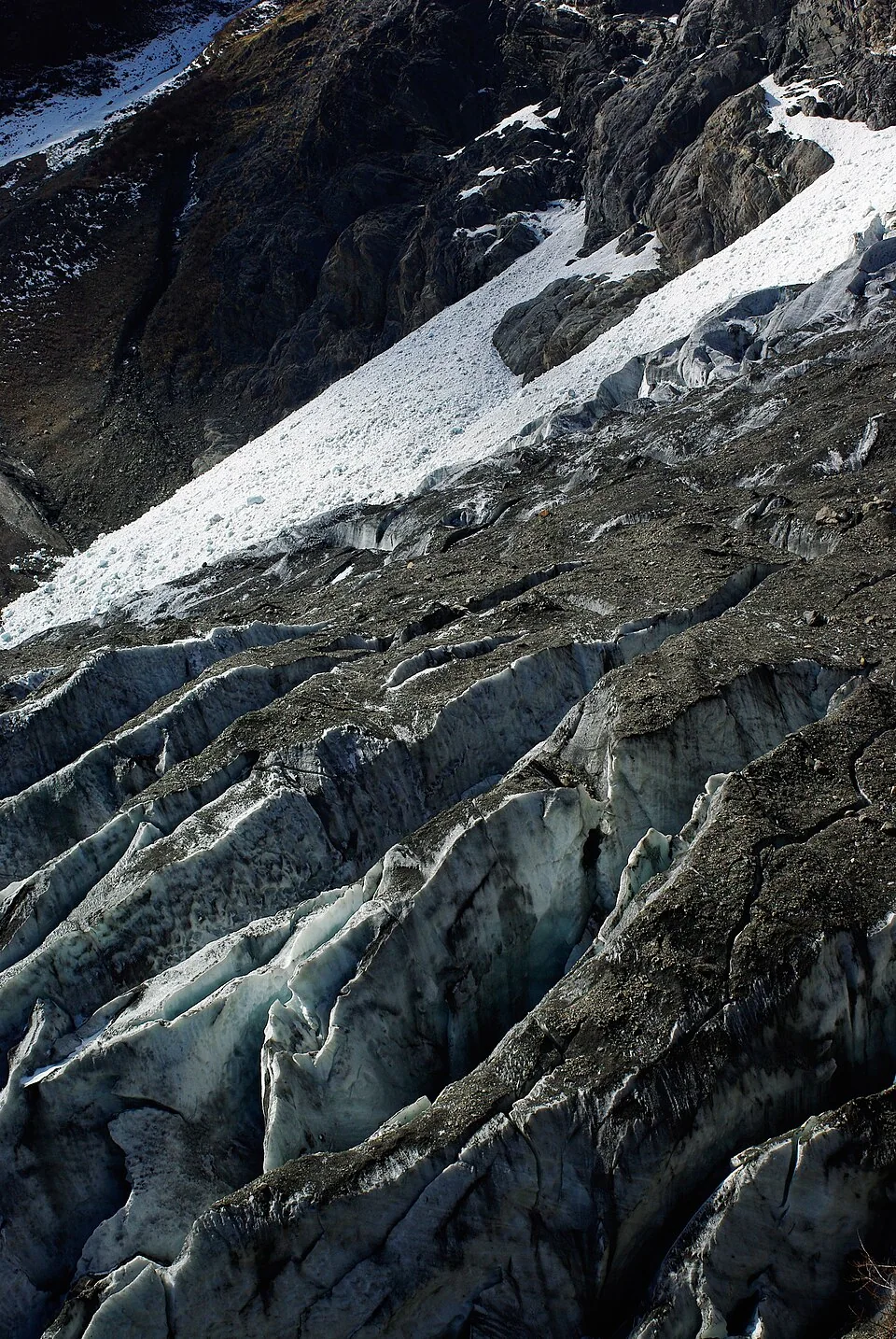
A past photograph of Mingyong Glacier
明永氷河Mingyong Glacier
The glacier descends from Meili’s high peaks toward the forest belt. Ice and forest close together leave a different impression from distant summit views. Learn about the village and monastery as you observe the mountain environment from its foothills.
The glacier’s position and appearance change. Images include past scenery and do not guarantee it will look the same size today. Viewing is from open paths and viewpoints; itineraries do not enter the glacier surface.
白馬雪山Baima Snow Mountain
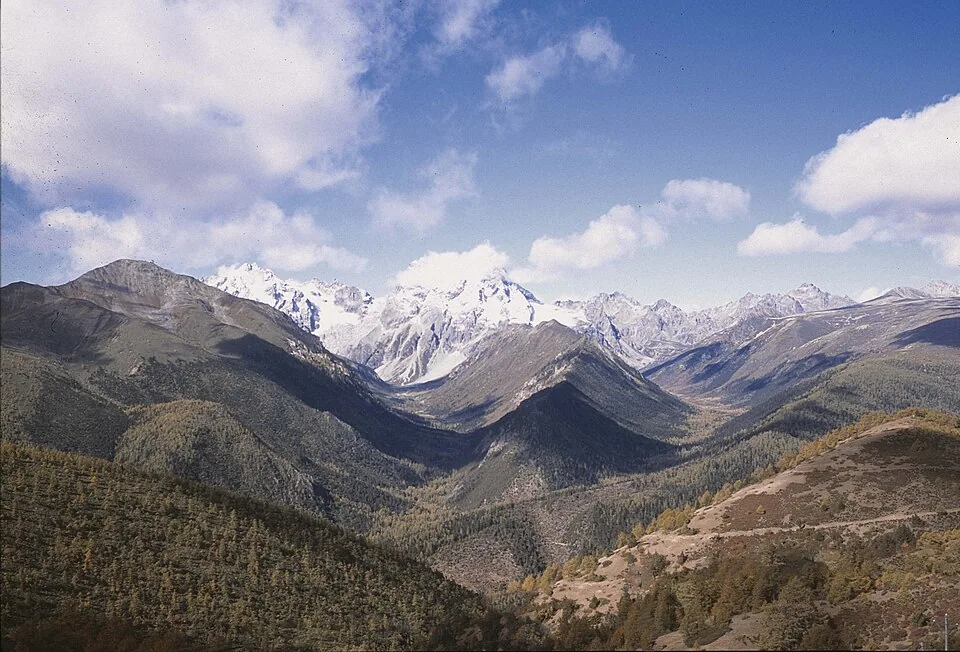
On the road from Shangri-La to Deqin, dry valleys give way to conifer forests and high meadows. Baima Snow Mountain reveals the Hengduan Mountains’ great elevation differences and biodiversity. Take in snowy peaks and forest as one landscape.
The main road through tunnels differs from the high passes on the old road. Snow and restrictions must be checked before using the old route or stopping at altitude. We do not imply unrestricted access inside the nature reserve.
東竹林寺Dongzhulin Monastery
This Tibetan Buddhist monastery stands on a mountainside on the way from Benzilan toward Deqin. Its halls above the valley evoke its place in the history of transport and settlements. Combined with Songzanlin, it suits a deeper exploration of Yunnan’s Buddhist culture.
We check which interiors are open and whether photography is allowed. Even when combined with travel toward Baima Snow Mountain, visits respect worshippers’ time and allow more than a hurried short stop.
Benzilan & the Great Bend of the Jinsha River
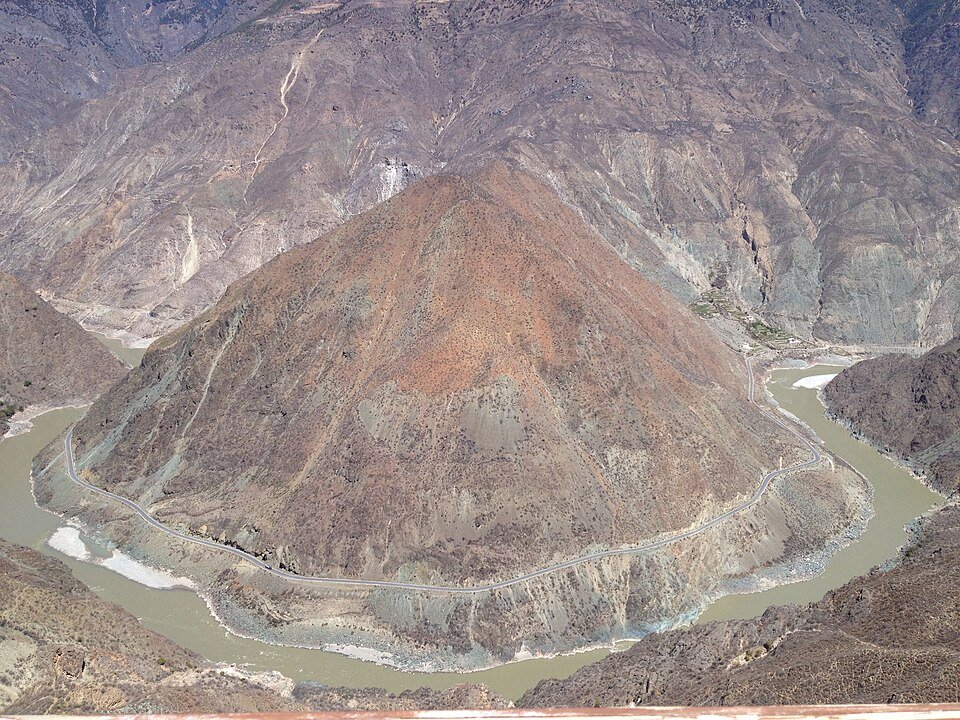
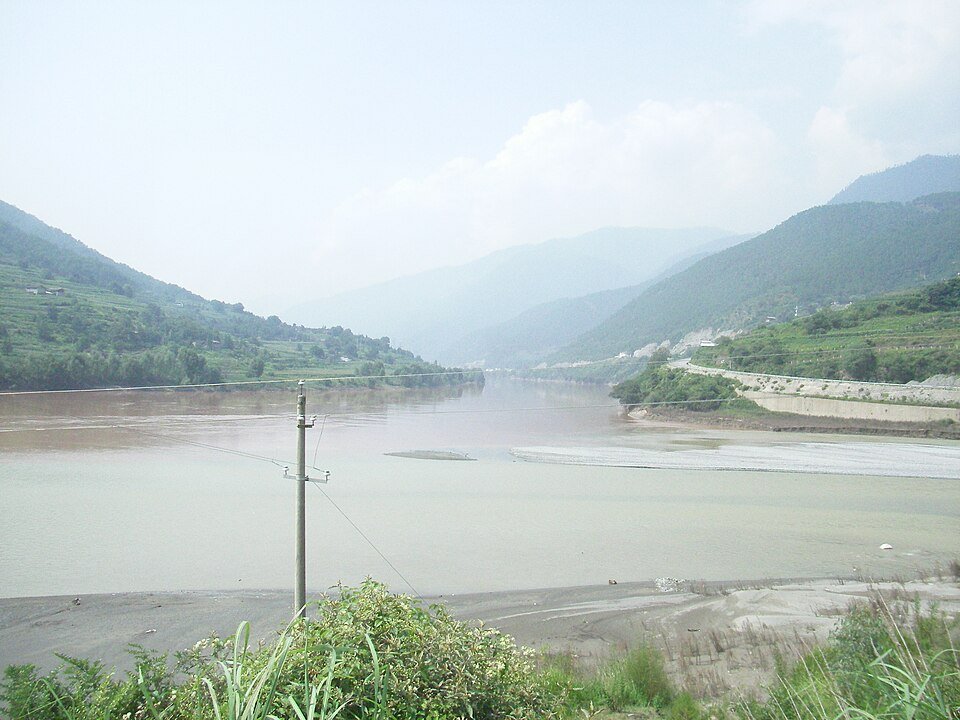
Benzilan, in the Jinsha River valley, evokes the history of the route linking Yunnan and Tibet. Nearby are sweeping river bends and lives sustained on dry slopes. Pause to appreciate the valley before ascending toward the snow mountains.
The nearby Great Bend of the Jinsha River and the First Bend of the Yangtze at Shigu near Lijiang are different places. We distinguish their viewpoints and follow stopping and access conditions.
Weixi & the Lancang River valley
Cizhong Catholic Church & Village
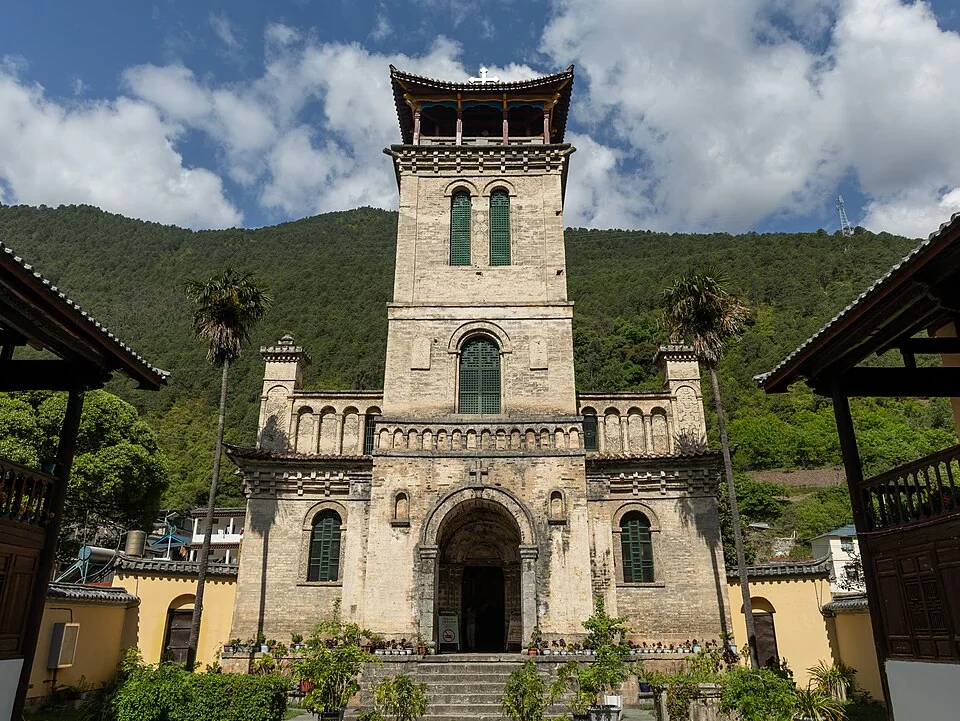
A church in a Lancang valley village reflects the region’s layered cultures. Considering Catholic faith maintained within the Tibetan cultural region alongside village fields and houses brings the area’s history into clearer perspective.
The church remains a place of prayer. Visits respect worship times and photography permissions. Where hosts welcome visitors, we also hear from local people about grape growing and food traditions.
A Yunnan snub-nosed monkey. Viewing opportunities vary with local conditions.
Tacheng · Forest Habitat of the Yunnan Snub-nosed Monkey
Rare Yunnan snub-nosed monkeys live in Baima Snow Mountain’s forests. Around Tacheng in Weixi, conservation and observation arrangements offer insight into alpine forest wildlife and the work of people protecting its habitat.
The photograph shows the animal; it does not promise the same individual or scene. Follow designated observation methods without touching or feeding, using flash or raising your voice.
Tongle Lisu Village
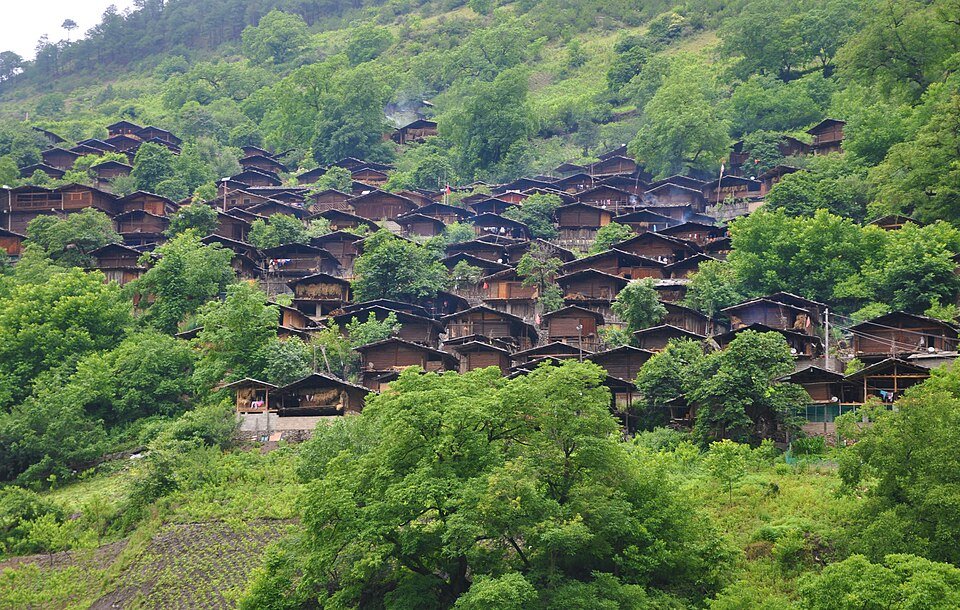
Wooden houses cluster on the slopes of Tongle. This village in Weixi Lisu Autonomous County has its own living culture of architecture, farming and language. We introduce it carefully as Lisu life rather than grouping it with Tibetan villages.
Village walks put residents’ lives first. Ask permission before entering homes or photographing people. Festivals and singing demonstrations are not promised at all times; we value natural opportunities for exchange.
Connecting from Lijiang: the southern Yunnan–Tibet route
Lijiang old townOld Town of Lijiang
Lijiang’s waterways and cobbled streets carry Naxi culture and memories of trade. As a gateway toward Shangri-La, it offers different townscapes and traditions. We distinguish it from Yunnan’s Tibetan cultural regions themselves.
Beyond Dayan Old Town, visits to Shuhe or Baisha depend on your available days. In a town where tourism and residential life coexist, notice quiet lanes and flowing water too.
玉龍雪山Jade Dragon Snow Mountain
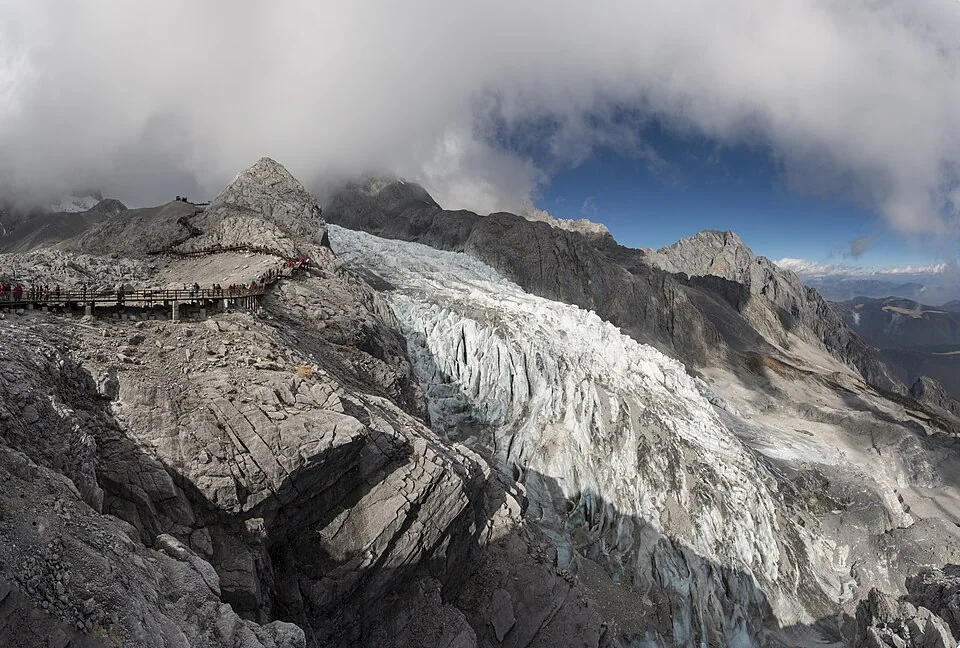
The mountains north of Lijiang are a memorable introduction to Yunnan’s snowy peaks. Views from the foothills, forests, meadows and valleys each have their appeal. We also explain the mountain’s importance to the Naxi people.
High-altitude cable car visits and foothill viewing place different demands on the body. We choose the visiting area after checking bookings, operations, weather and your condition. This is a different mountain range from Meili and Baima Snow Mountains.
Shigu · First Bend of the Yangtze River
Near Shigu, the Jinsha River makes a dramatic change in direction. Looking over valley settlements and the current reveals how water has linked landforms and human journeys along the road north from Lijiang.
This is different from the Great Bend of the Jinsha near Benzilan. When combining viewpoints and town walks, allow ample onward travel time to Shangri-La.
THE YUNNAN–TIBET HIGHWAY · 滇蔵線
From valleys to plateau, a road connecting landscapes and cultures.
The Yunnan–Tibet route is an overland journey north from Yunnan into Tibet. From Lijiang it passes Shangri-La, Benzilan and Deqin, then Yanjing, joining the G318 Southern Sichuan–Tibet Highway at Markam. It continues through Zogang, Bangda, Baxoi, Ranwu, Bomi and Nyingchi toward Lhasa. In Yunnan it broadly follows G214; west of Markam, the journey changes as it joins G318.
Moving between the Jinsha, Lancang and Nu river basins, scenery shifts from dry valleys to conifer forests and plateau meadows. Notice fields, house designs and food traditions as well as snow peaks, and long transfers become time to understand the land.
Tracing memories of the Ancient Tea Horse Road
Memories of trade routes linking Yunnan and Tibet remain in towns, monasteries and villages. Today’s highways are not the historical trails themselves. Local guides distinguish the two while explaining the movement of travelers and goods.
Side trips shaped by your time and interests
Pudacuo, Yubeng and Weixi’s villages branch off the main route. They are not all stops along one continuous road; choose according to interests such as photography, monastery culture or nature walks.
Check seasons and local conditions
Snow, rain, rockfall and construction can change the driving route. We do not require old mountain-pass roads and plan manageable transfers with rest. For foreign nationals continuing into the Tibet Autonomous Region, required travel permits and approved routes are checked and arranged in advance.
The Yunnan–Tibet route: landscapes leading into Tibet
Yanjing town and the Lancang River valley
Yanjing Villages & Salt Fields, Tibet
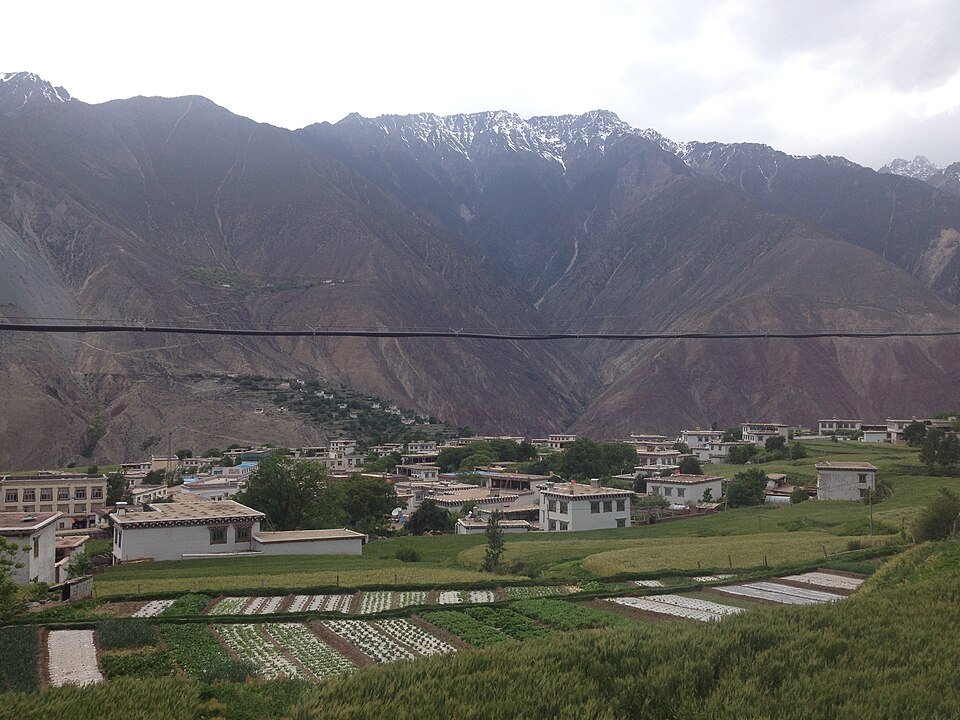
North of Deqin, the route enters Markam County in the Tibet Autonomous Region. At Yanjing, wooden salt pans layer the Lancang valley, revealing work built around local resources. This Yunnan–Tibet route stop is introduced separately from the Yunnan section.
The photograph shows Yanjing town and its river valley. Salt pans are active production and living spaces; we check permitted viewing areas and working needs, without entering structures uninvited. Foreign visitors’ required permits and approved Tibet routes are checked in advance.
Nujiang Switchbacks & Highland Passes
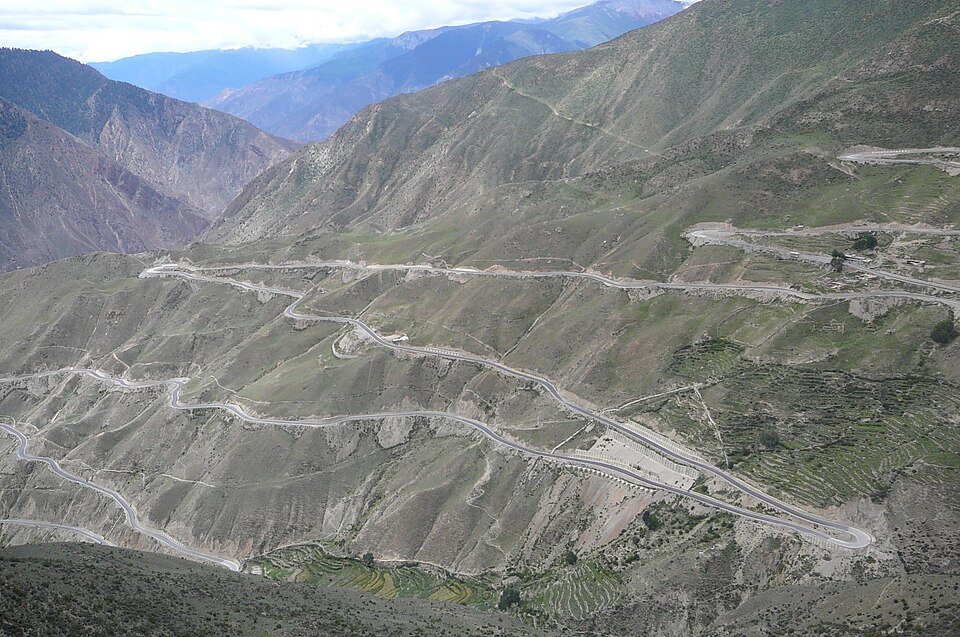
Joining G318 at Markam, the road continues to Zogang, Bangda and Baxoi. Descending valleys and climbing again to passes creates dramatic elevation changes distinctive to the overland connection with the Southern Sichuan–Tibet Highway. The successive curves in the Nu River basin also reveal this terrain.
Tunnels and road improvements change driving sections, so we cannot promise to follow every old-road segment. Enjoy views according to safe stopping places and weather, without blocking roads for photography.
然烏湖Ranwu Lake
Along the road from Baxoi toward Bomi, Ranwu Lake opens into a landscape of mountains and water. Its color changes with water levels, sediment, season and light, rather than always appearing the same blue. Enjoy these changing mountain waterscapes.
Respect lakeside villages and pastures, viewing from open designated areas. A detour toward Laigu Glacier requires separate travel time and management checks; it does not mean unrestricted access onto the ice.
Bomi to Nyingchi
The road leaves dry plateau for valleys nourished by forests and rivers. Bomi’s woodland, Nyingchi’s villages and snow peaks in fine weather add new colors to the long journey toward Lhasa. Notice changing houses and fields as well as landforms.
The photograph shows Bomi. Midui Glacier, Lulang and Sejila Pass are selected according to travel conditions and access. Namcha Barwa views depend on the weather; seeing the summit is not guaranteed.
Villages, monasteries and mountains for a deeper journey
Walking in Shangri-La
Guishan Park, Moonlight Square and Diqing Prefecture Museum
Guishan Park · Moonlight Square · Diqing Museum
Guishan Park overlooks Dukezong, people gather in the square, and the museum helps put local history and culture in context. Together, these turn a scenic town walk into an encounter with daily life. Check museum closures, exhibitions and religious-site access before visiting.
Villages & grasslands
Xiaozhongdian, Bigu Tianchi and Jiuzi Lake
Xiaozhongdian · Bigu Lake · Jiuzihai
Villages, meadows and seasonal flowers around Xiaozhongdian brighten the road toward Shangri-La. Bigu Tianchi and Jiuzi Lake are natural areas requiring more than a brief roadside stop. Check flowering seasons, access and conservation conditions, choosing destinations without entering unpaved roads or pastures without permission.
Mountain walks to lakes
Qianhu Mountain, Abuji Lake and Wudi Lake
Qianhu Mountain · Abuji Lake · Wudi Lake
These are possible hiking destinations for alpine lakes and meadows. Appealing names do not make them casual-access sites: check protected areas, usable paths, guide availability and elevation changes. Preparation differs from a day stroll in a developed scenic area, so we discuss each trip according to experience and fitness.
Forests & mountain villages
Niru & the Seven-Coloured Waterfall
Niru Village & Colourful Waterfall
In Niru, eastern Shangri-La, villages, forests, pastures and valley watersides connect. Walks toward the Seven-Colored Waterfall and other places require checks of actual return distances and footing, planned with local guidance. Respect residents’ lives and forest protection, and confirm hiking conditions individually.
Deqin viewpoints & monasteries
Wunongding, Deqin Monastery and Hongpo Monastery
Wunongding · Deqin Monastery · Hongpo Monastery
Wunongding views Meili’s peaks from a different position than Feilaisi. Combining Deqin town and Hongpo’s monastery deepens understanding of devotion to the snow mountains. Religious activities take priority; photography of interiors and murals follows permission rules.
Places of prayer in Deqin
Shusong Nunnery and the foothills of Baima Snow Mountain
Shusong Nunnery & Baima Foothills
Shusong Nunnery is a religious place where women’s practice and prayer continue. Visit alongside foothill villages to encounter varied forms of Buddhist life. Confirm public visits in advance and do not enter practice or residential areas without permission.
Yubeng pilgrimages & valleys
Sacred Waterfall, Xidang and Ninong Valley
Sacred Waterfall · Xidang · Ninong Valley
Yubeng’s Sacred Waterfall is also an object of devotion. Routes toward Xidang and Ninong differ in elevation, distance and transport, so outward and return journeys cannot simply be assumed equivalent. Do not disrupt water rituals for photographs; choose walking sections according to road conditions, weather and fitness.
Weixi culture & villages
Tacheng, Qibie Village and Bodhidharma Cave
Tacheng · Qibie Village · Damo Grotto
Around Tacheng, combine fields and village scenery with local Buddhist culture. Bodhidharma Cave is a place of religious tradition; Qibie and other villages are residents’ homes. Check visitor facilities and opening conditions; cave entry is not always available.
Weixi mountains & lakes
Nanjieluo (Nanjiluo) and Biluo Snow Mountain
Nanjiluo Alpine Lakes & Biluo Mountains
Forests and high lakes dot the mountains between the Lancang and Nu rivers. Nanjieluo is a mountain area to consider only after checking conservation, entry management, roads and weather. Tourism coverage does not establish unrestricted access; verify the areas ordinary visitors may use.
River-valley culture in Weixi
Kangpu Shouguo Monastery and Yezhi’s historic architecture
Shouguo Monastery · Yezhi Historic Architecture
Weixi’s valleys preserve Buddhist monasteries and buildings reflecting local governance and trade history. We explain each place’s context without merging ethnic or religious backgrounds. Destinations are selected according to conservation work and access conditions.
Gateway to the Yunnan–Tibet route: extending through Yunnan
From Dali to Lijiang
Dali to Lijiang · Southern Gateway
Traveling north from Kunming or Dali can include Dali Old Town, Erhai Lake and Bai villages. We introduce these as an early stage of the journey from Yunnan toward the plateau, rather than the heart of Tibetan culture. Discovering differences among Bai, Naxi and Tibetan cultures is part of the pleasure of overland travel.
More on the Tibet section of the Yunnan–Tibet route
Yanjing Church, Markam, Zogang and Dongda Mountain
Yanjing Church · Markam · Zogang · Dongda Pass
Yanjing’s Catholic church reflects the layered cultures of the Lancang basin. From Markam toward Zogang, the route moves between valleys and plateau toward passes such as Dongda Mountain. We distinguish new tunnels from old roads and follow traffic restrictions. Tibet journeys for foreign nationals follow required permits and approved routes.
SNOWLAND TRAVEL
Beyond the snowy peaks, encounters to remember.
We are a locally based travel company run by Tibetans. Whether you wish to explore Shangri-La’s monasteries slowly, wait for Meili’s light or travel overland from Yunnan to Lhasa, we help shape a journey through the land’s history, faith and everyday lives as well as its scenery.
Tell us your preferred season, available days, desired places and comfortable walking distance. After checking facility access, roads and reception conditions, we suggest destinations suited to your interests and health.
Prices are reference amounts per person, not confirmed departures or availability. Request a quotation for your dates, party size, stays and included services.