
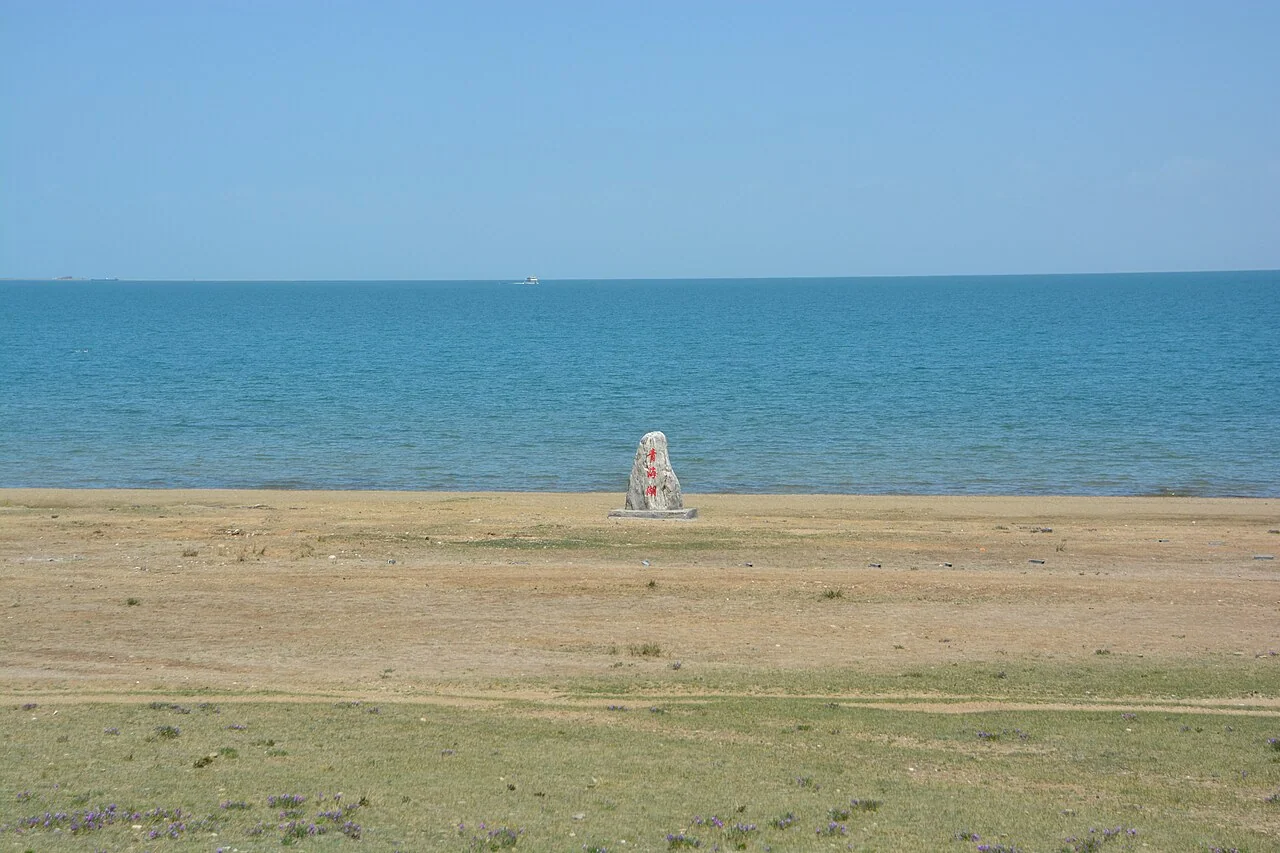
Qinghai Amdo: Xining, Rebgong & Qinghai Lake · 8 days
Choose your departure date · view itinerary and photos →
Discover history, experience culture, understand faith and meet the people who call Tibet home.
At Snowland Travel, we value the perspectives of people living in Tibet. We introduce you to its rich history, enduring culture and faith, and the rhythms of everyday life.
Explore cultural and lake routes within Qinghai, or an onward road journey to Tibet. Choose your preferred departure date.
Choose your departure date · view itinerary and photos →
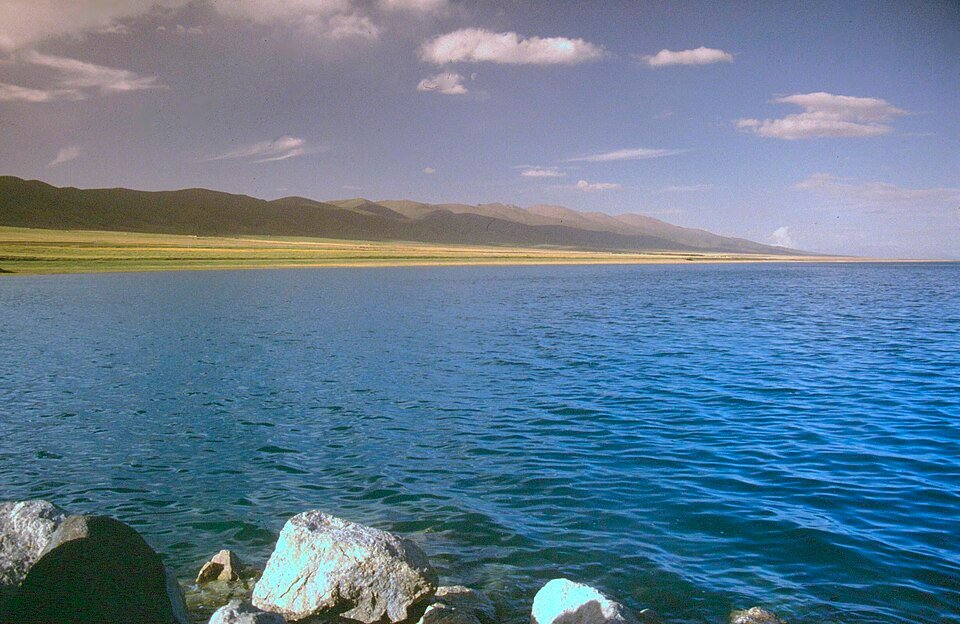
Qinghai–Tibet combination, not a Qinghai-only itinerary
Choose your departure date · view itinerary and photos →
Choose your departure date · view itinerary and photos →
Qinghai · Sacred Traditions, Living Arts & the High Plateau
Blue lakes, grasslands and snowy mountains. Monastic learning, hands painting thangkas, and daily prayers continuing in village life. A journey through Qinghai encounters the predominantly Amdo culture and Kham life in the Yushu region. Starting from Xining, we introduce Qinghai’s six autonomous prefectures and nearby sights in our own words.
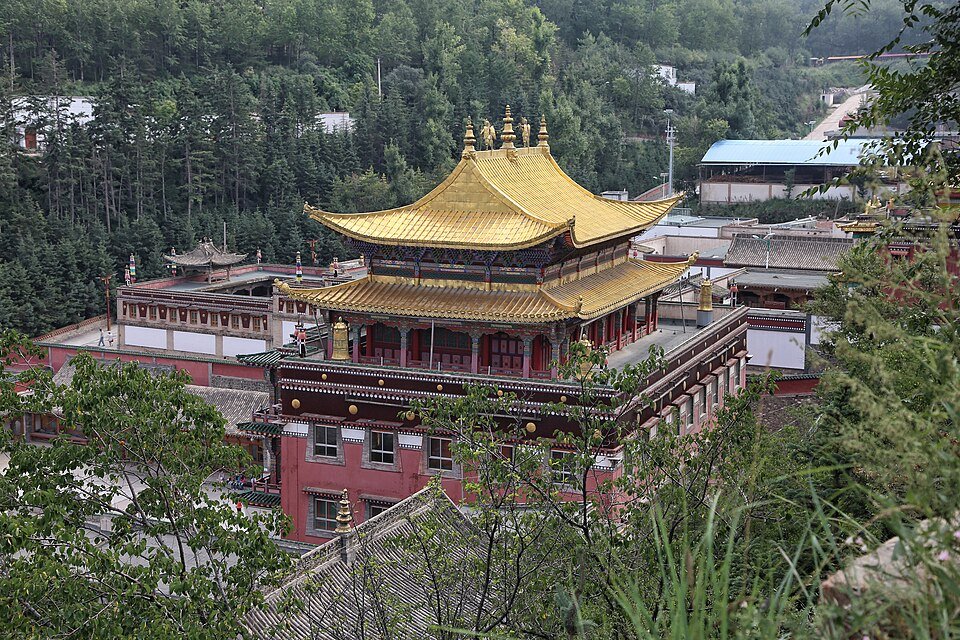
塔尔寺|西宁市湟中区
An important Gelug monastery of Tibetan Buddhism, associated with Tsongkhapa’s birthplace. Among its golden roofs, halls and stupas, you can sense generations of learning and prayer. It is a leading destination for discovering Amdo Buddhist culture from Xining.
Look for monastic arts such as butter sculpture, murals and appliqué. Respecting pilgrims and monastic life, we check which halls are open and where photography is allowed before visiting.
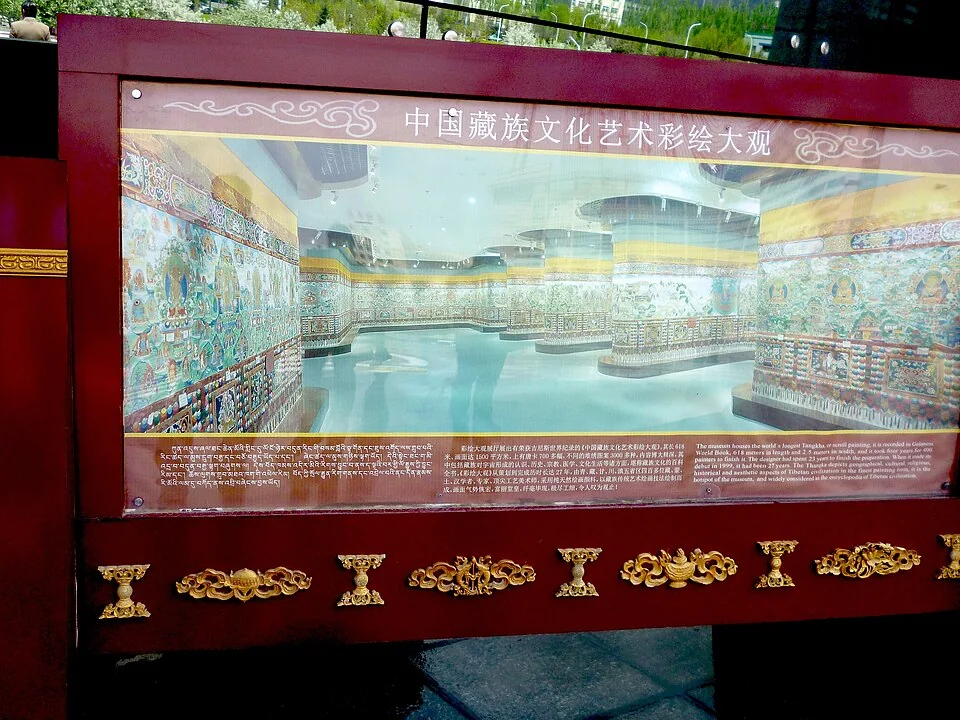
青海藏文化博物院|西宁
Exhibitions offer a systematic introduction to Tibetan history, medicine, art and daily life. The immense thangka display conveys the breadth of Tibetan art, bringing mountains, cities, faith and people together in a single pictorial world.
A visit before or after exploring monasteries and villages deepens your understanding of the imagery and everyday objects encountered on your journey. We follow that day’s guidance on gallery access and photography, and introduce the exhibits actually on display.
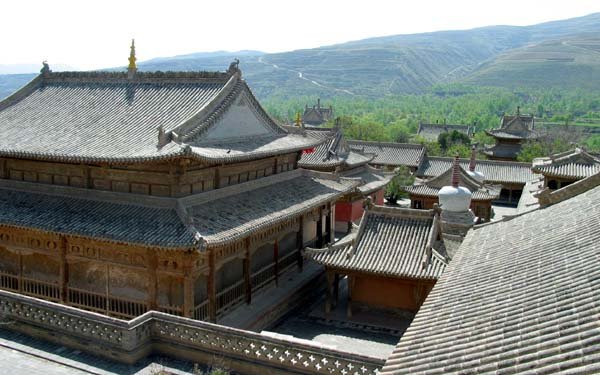
瞿昙寺|海东市乐都区
This mountain monastery reflects a history in which Tibetan Buddhism met Chinese architectural and painting traditions. The arrangement of halls and corridors and the outlines of roofs reveal Qinghai as a meeting place of diverse cultures.
Murals and historic buildings are delicate cultural treasures. We explain the monastery’s origins while distinguishing preserved features from restored ones, and check interior access and photography rules on site.
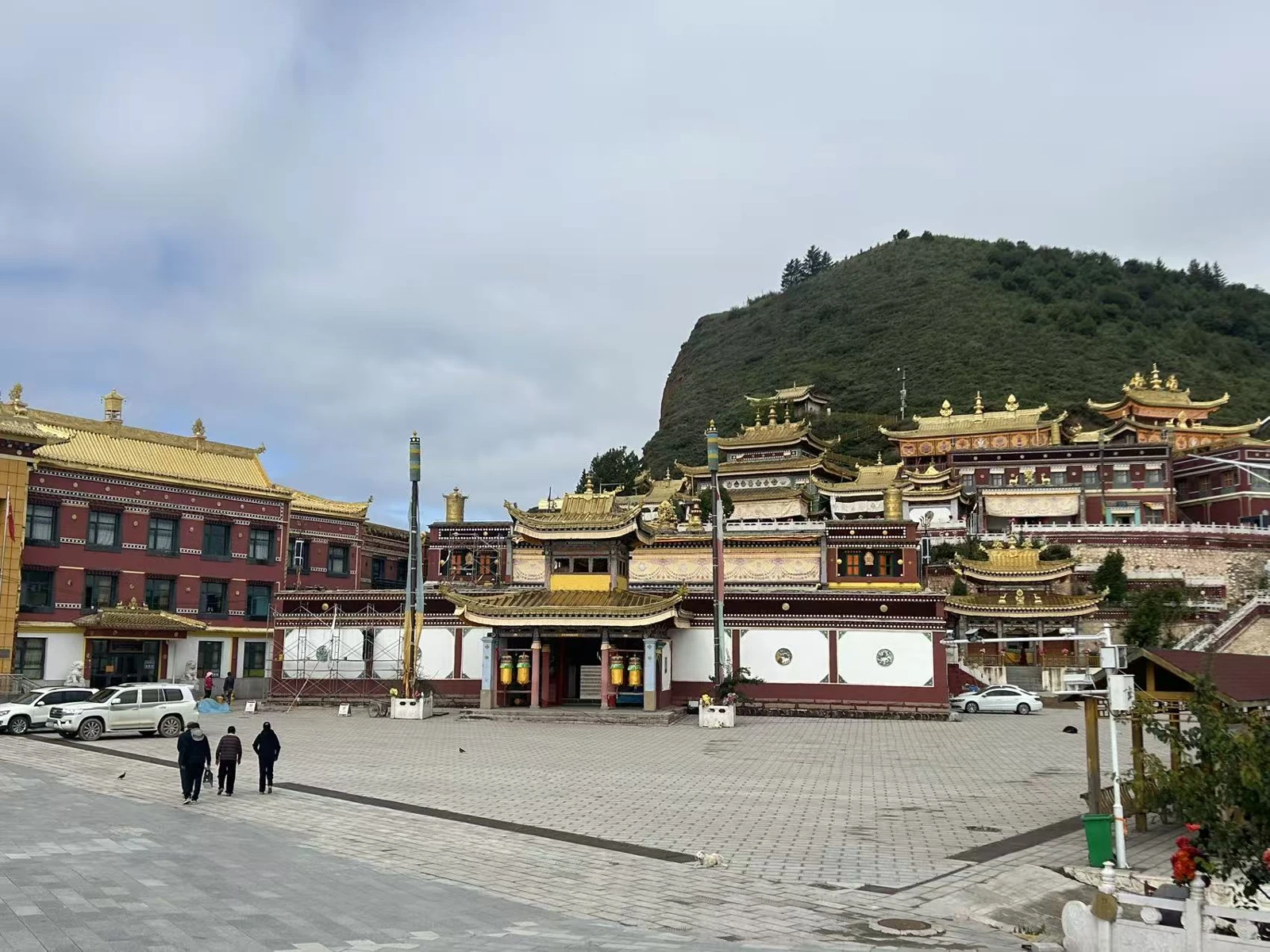
Shachung Monastery (Xiaqun / Xiaqiong) | Hualong Hui Autonomous County, Haidong
Standing in the mountains north of the Yellow River, this monastery is essential to understanding Amdo’s learning and faith. Written as Xiaqun or Xiaqiong, its name is also associated with a mountain resembling a great mythical bird. Mountain halls and deep valleys create a striking landscape.
Founded in the 14th century by Dondrup Rinchen, it is traditionally remembered as a place where Tsongkhapa studied in his youth. Here, the later expansion of the Gelug tradition can be traced back to a place of teaching and learning between master and disciple.
We look beyond architectural beauty to how learning has been passed down. We check opening times and accessible halls, allowing ample time for mountain roads and walking within the monastery.
Qinghai Lake | Hainan and Haibei area
This plateau lake stretches blue to a distant horizon, where sky and water seem to merge. Important to Tibetan people, it is also a natural habitat supporting waterbirds and grassland wildlife.
Grasslands, rapeseed flowers, snow and the lake’s surface change with the seasons. We combine distant views that convey the lake’s scale with quiet time on the shore, enjoying the scenery from designated roads and visitor areas.
Erlangjian Scenic Area · Qinghai Lake’s southern shore
One of Qinghai Lake’s main visitor areas, with land extending into the lake from its southern shore and views across open water. Lakeside walks and viewpoints bring the vastness of the landscape close.
Sightseeing services and local transport vary with season and weather. As the entire shoreline is not freely accessible, we guide you within the areas open that day. The photograph shows a related Qinghai Lake landscape.
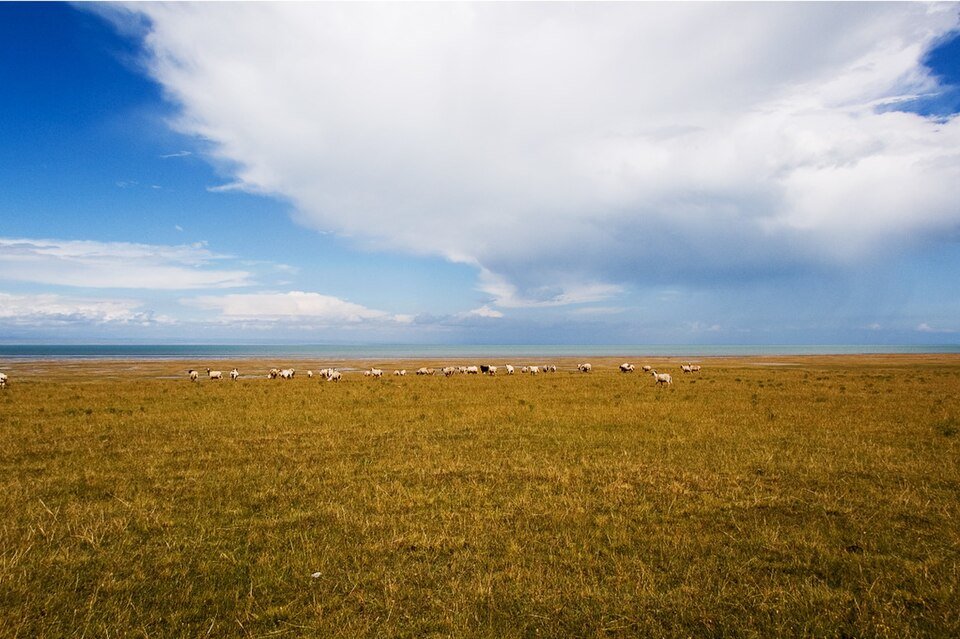
Gangcha & Qinghai Lake’s north shore
Grasslands and pastoral scenes north of Qinghai Lake add depth beyond a journey focused only on the water. The succession of mountains, pasture and settlements reveals the relationship between local life and nature.
Grasslands are vital to local lives and livestock. We do not drive onto them without permission, and obtain consent for photography and village visits. For migrating fish or birdwatching, we check designated viewing sites and the appropriate season.
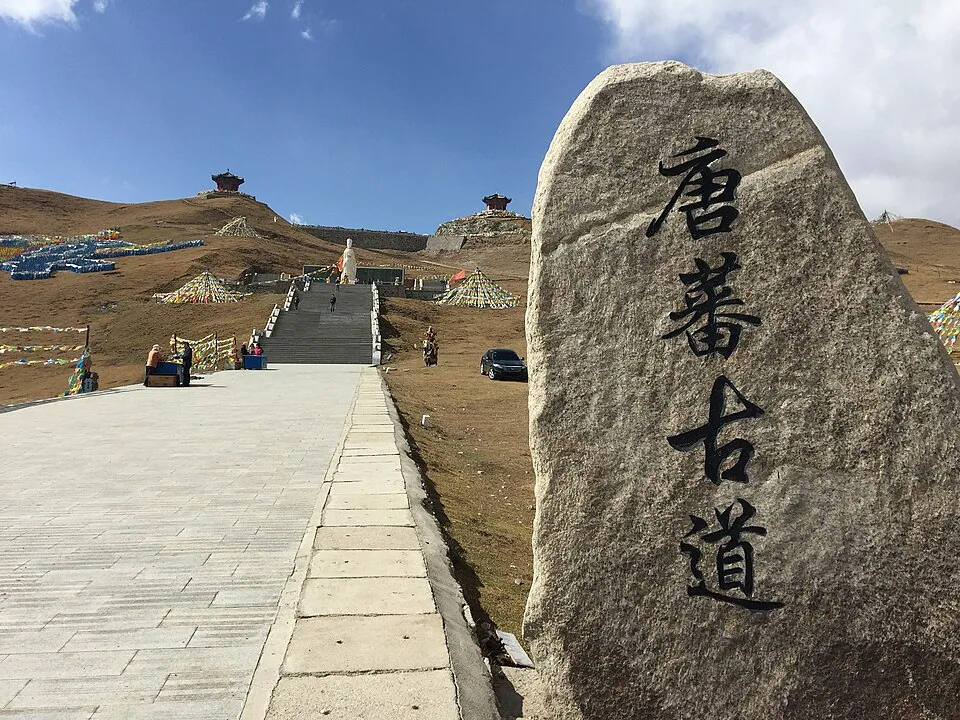
Riyue Mountain | Toward Qinghai Lake from Xining
Here the landscape changes dramatically from Xining-side valleys to the Qinghai Lake plateau. Learning the traditions associated with Princess Wencheng turns the road into a journey through historical memory as well as natural scenery.
We distinguish traditional accounts from historical facts. Strong winds and rapidly changing temperatures are also characteristic here, so visits are adjusted to the weather and your condition.
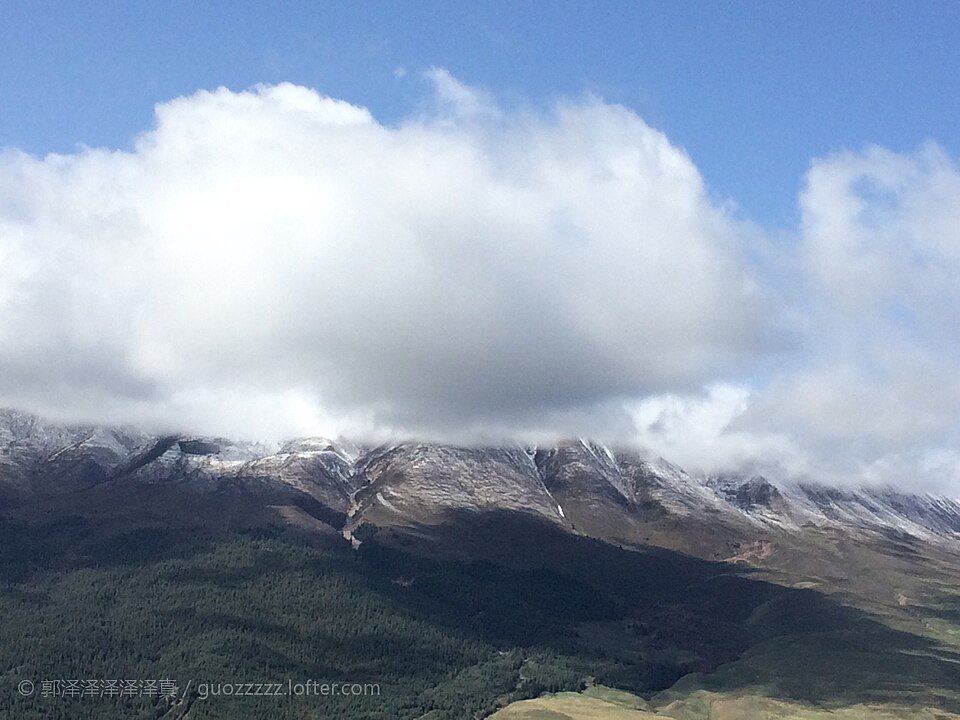
卓尔山|海北州祁连县
Reddish landforms, green pasture and mountains beyond make this Qilian viewpoint a beautiful layering of color. Each change of angle rearranges the town, fields and ridgelines within the valley.
Soft morning and evening light brings out the contours, though clouds and mist affect visibility. Follow maintained viewing routes and enjoy the scenery without trampling flowers or grassland.
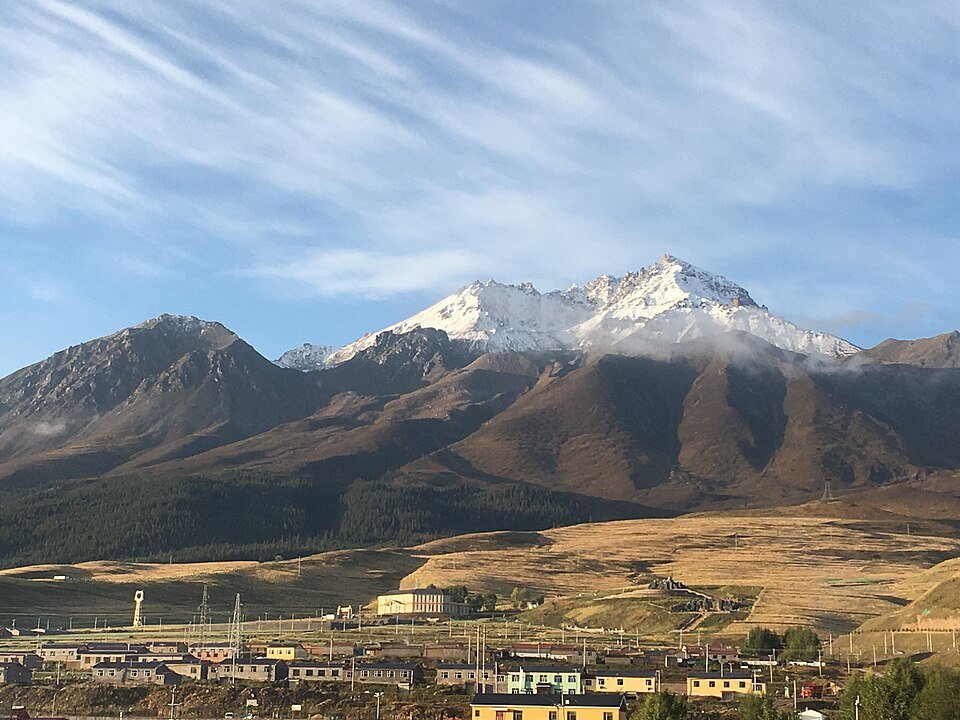
Niuxin Mountain & Qilian grasslands
A great mountain rising close to town and grassy slopes define the Qilian landscape. At times, snow lingering on the heights and green foothills can be seen together, revealing the plateau’s seasonal contrasts.
This is an introduction to viewing mountains and local life from surrounding viewpoints, rather than climbing. If entering pasture, we confirm management arrangements and the owner’s permission.
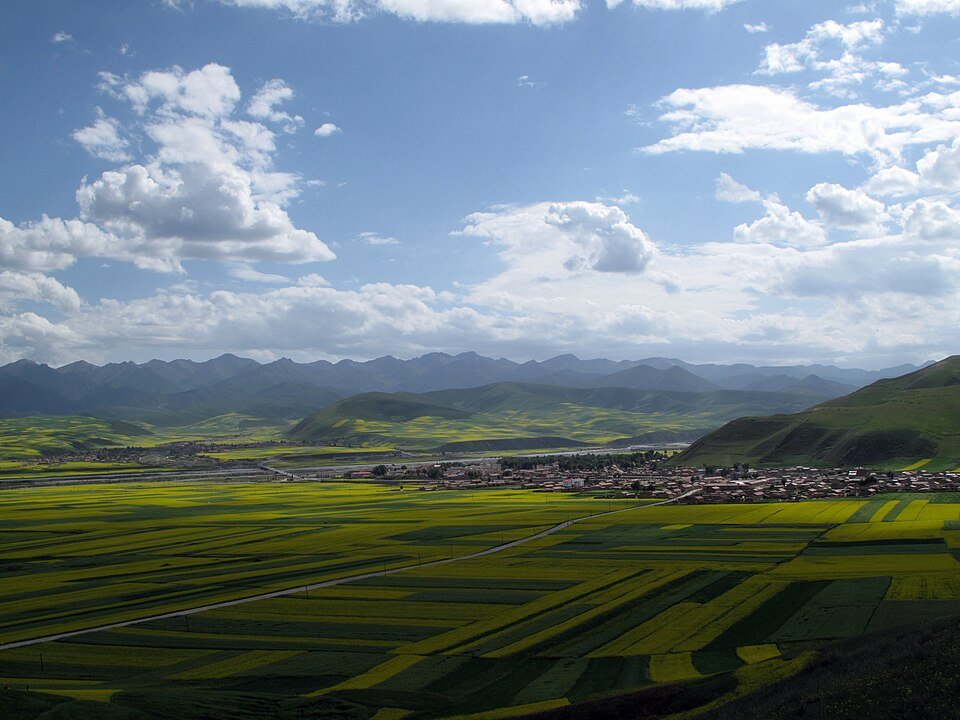
门源油菜花田
Yellow fields spread beneath the mountains in a landscape emblematic of Qinghai’s summer. Both elevated views across patterned fields and time enjoying flowers near the villages have their own appeal.
Flowering depends on each year’s temperatures and rainfall. We cannot guarantee peak bloom, and introduce the flowers from open viewing areas while respecting the fields as farmers’ working land.
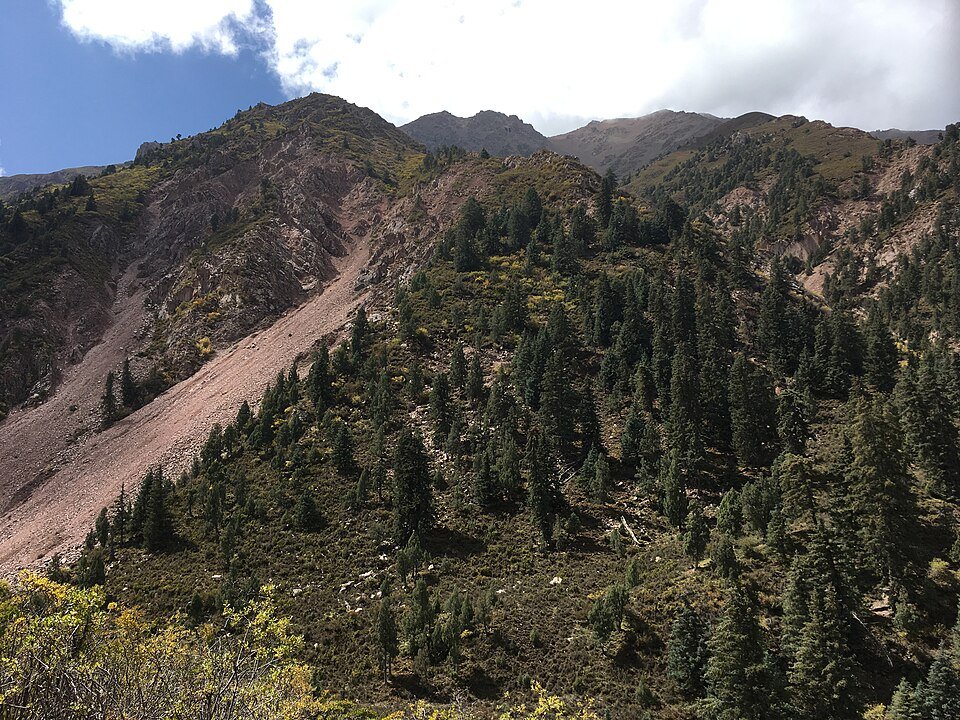
冰沟林海|祁连
Forests spreading across mountain slopes contrast with the image of an arid plateau. Adding forest scenery to a Qilian journey reveals Qinghai’s natural diversity beyond lakes, grasslands and snowy mountains.
Forest walks are considered according to open paths and that day’s conditions. We do not assume unrestricted access to the interior or driving on undesignated forest roads.
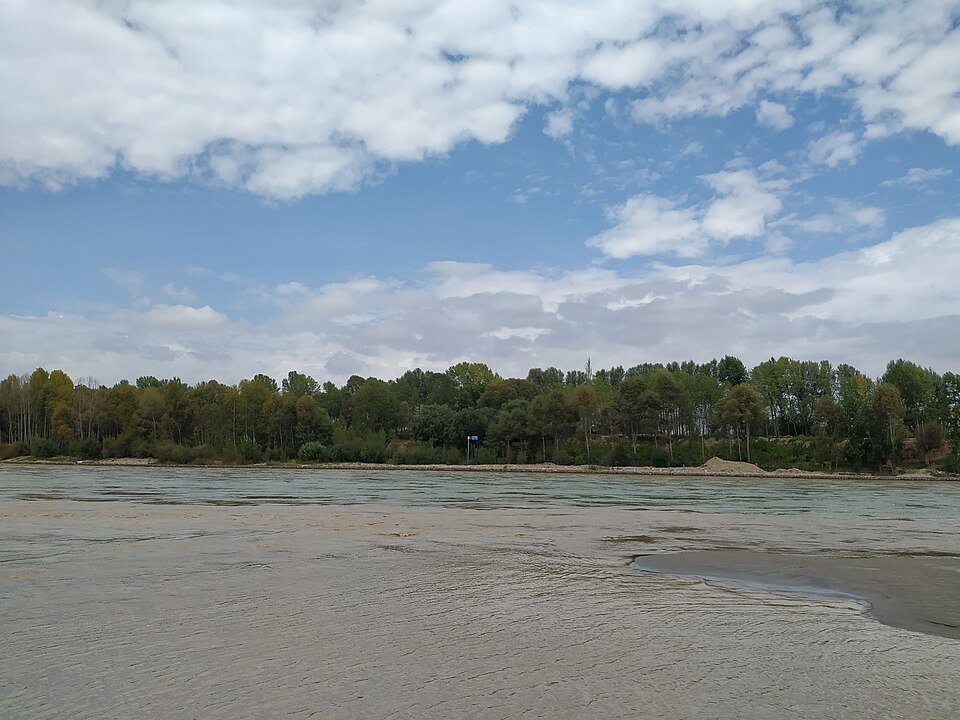
贵德黄河|海南州
The Yellow River flows gently through a valley bordered by green fields and settlements. Plateau rivers are not always muddy; on days when the water’s color shines against mountain and sky, it reveals a quiet beauty.
Combining riverside scenery with the town’s history makes this more than a passing stop. Water volume and color vary by season, so our visit embraces the landscape as it appears that day.
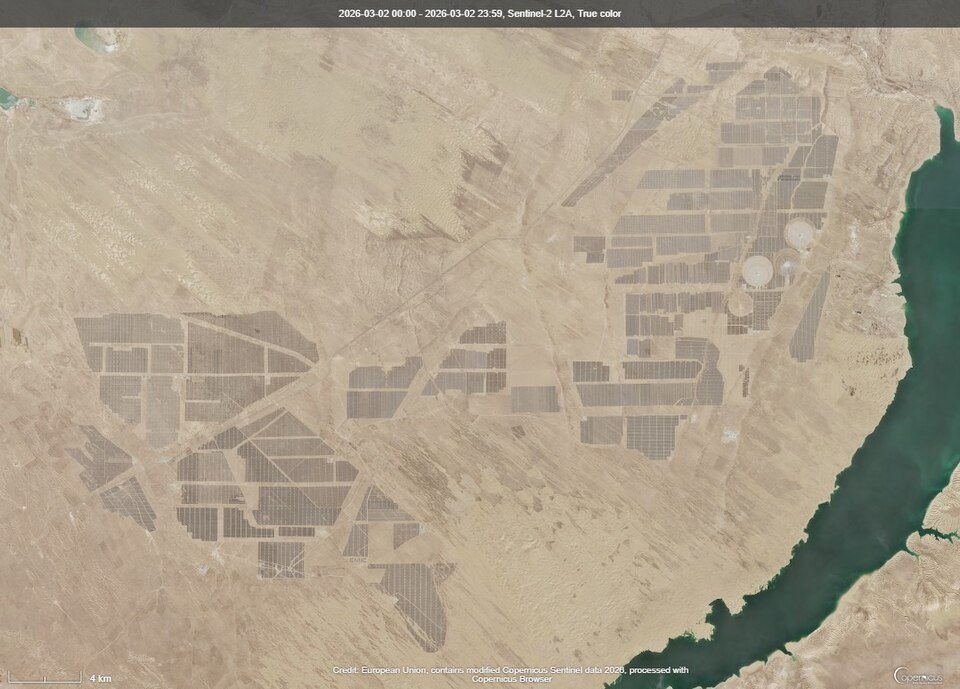
Longyang Gorge | Toward Gonghe and Guinan
Here the Yellow River passes through a deep gorge into a large reservoir. Viewing the natural terrain alongside the history of water management reveals how the river supports life on the plateau.
The image is a satellite view of the Longyang Gorge area. For actual visits, we distinguish dam facilities from public scenic areas and check visitor access. Roads toward Guide may have construction and traffic restrictions, so we verify the route in advance.
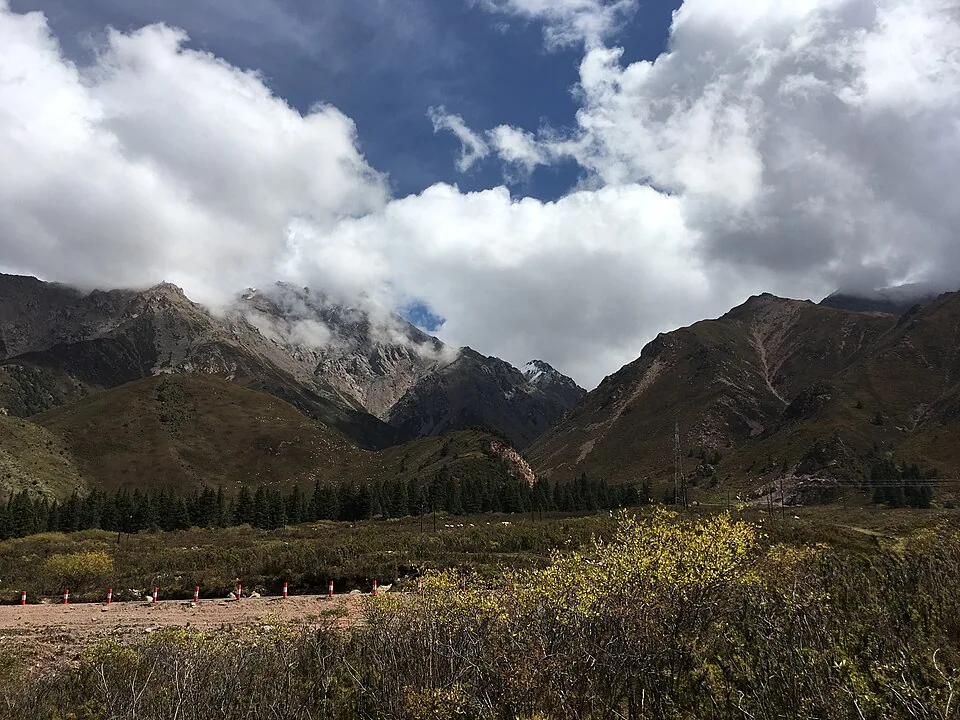
Gonghe, Guinan, Tongde and Xinghai area
From south of Qinghai Lake toward the Yellow River basin, broad grasslands are dotted with settlements and monasteries. Even time spent looking from the car reveals connections between people, livestock and the land.
The photograph shows related grassland scenery in Qilian, Qinghai, rather than a specific site in Hainan Prefecture. We select destinations after checking each village’s visitor acceptance and actual road conditions.
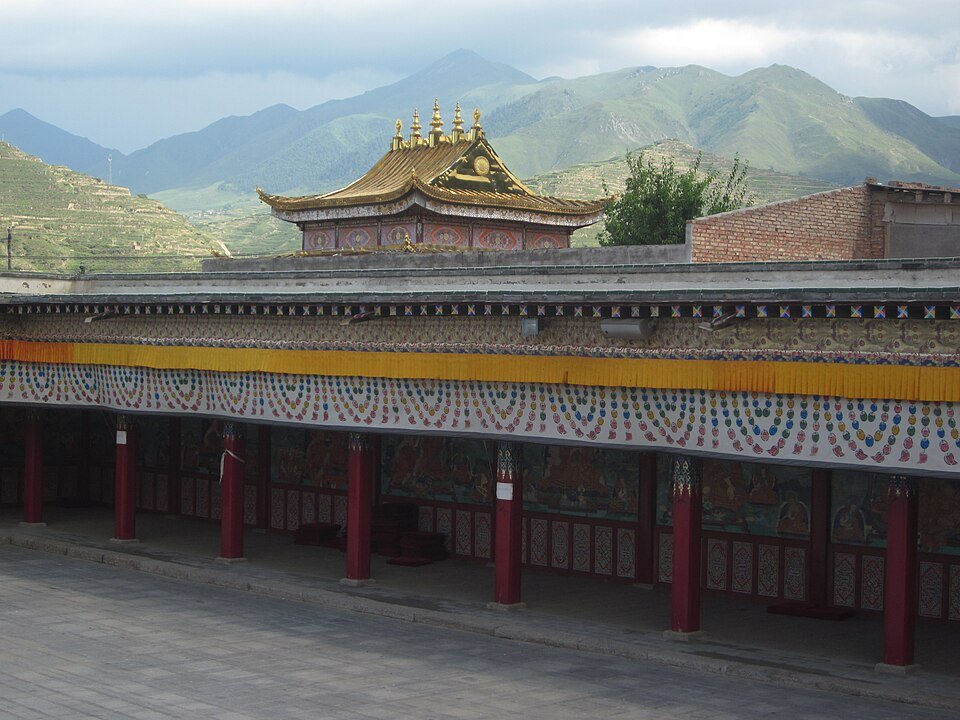
Rongwo Monastery · Tongren
A center of learning and prayer woven into the town of Rebong (Regong). Halls, monks’ residences and pilgrimage paths stand close to everyday town life, revealing a regional culture that extends beyond the monastery itself.
Looking toward the old town and art workshops after visiting the monastery reveals the connection between faith and creation. We guide you quietly through accessible areas without disturbing rituals or study.
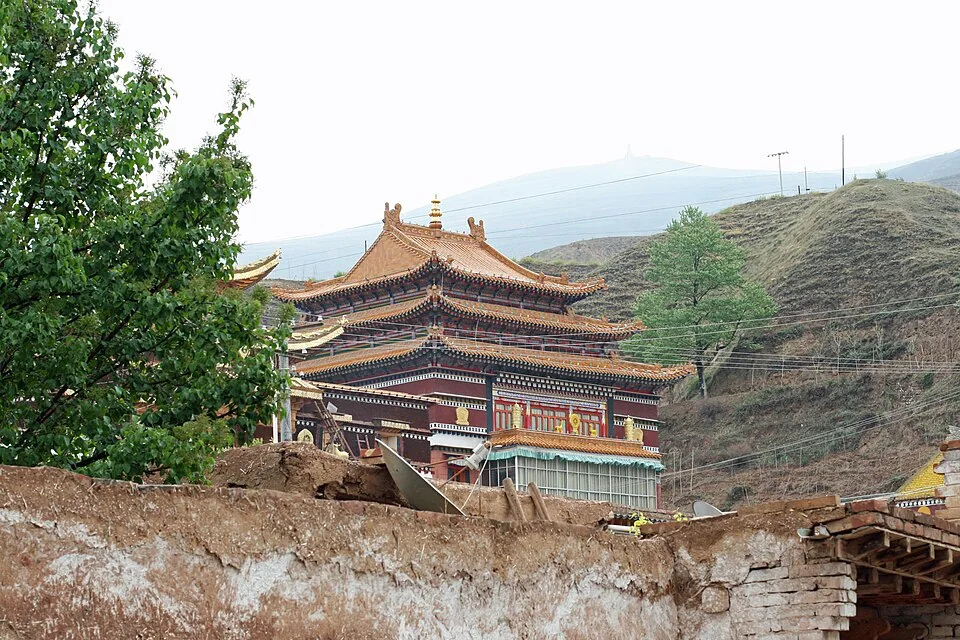
Upper & Lower Wutun Monasteries
This area of monasteries and villages is important to understanding Rebong’s Buddhist art. Intricate paintings and decoration show how knowledge of sacred imagery and artisans’ skills have passed across generations.
We check access and visitor acceptance separately for the upper and lower monasteries. Viewing artworks, visiting workshops and watching demonstrations are different activities; a visit does not guarantee seeing artwork being made or rituals taking place.
Regong art · Villages around Tongren
Regong art, encompassing thangkas, murals, sculpture and appliqué, is a culture nurtured by monks and local makers. Beyond looking at finished works, we explore how sacred imagery is learned and created within daily life.
Wutun, Nianduhu, Guomari and other communities each have their own expression and traditions. Workshop and exhibition visits are arranged with consent; photography and purchases respect the makers’ wishes. The photograph shows related scenery at Wutun Monastery.
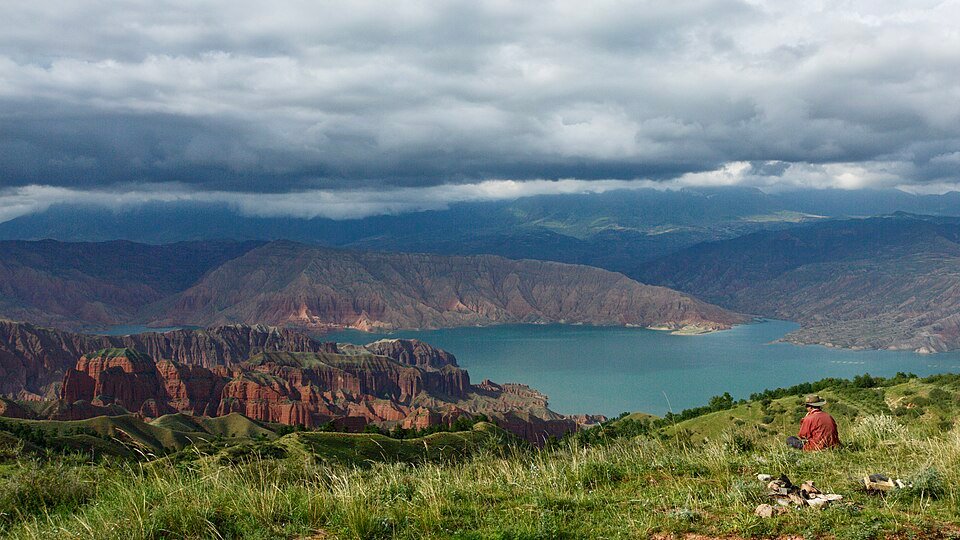
坎布拉|尖扎县
Red cliffs, blue-green water, forest and deep valleys form a layered geological landscape. From a viewpoint, the Yellow River’s course and the formation of mountains become part of one expansive scene.
Monastery and village cultures are also part of this area’s appeal. Transport and sightseeing within the scenic area follow operating conditions and weather, combining places that are actually open.
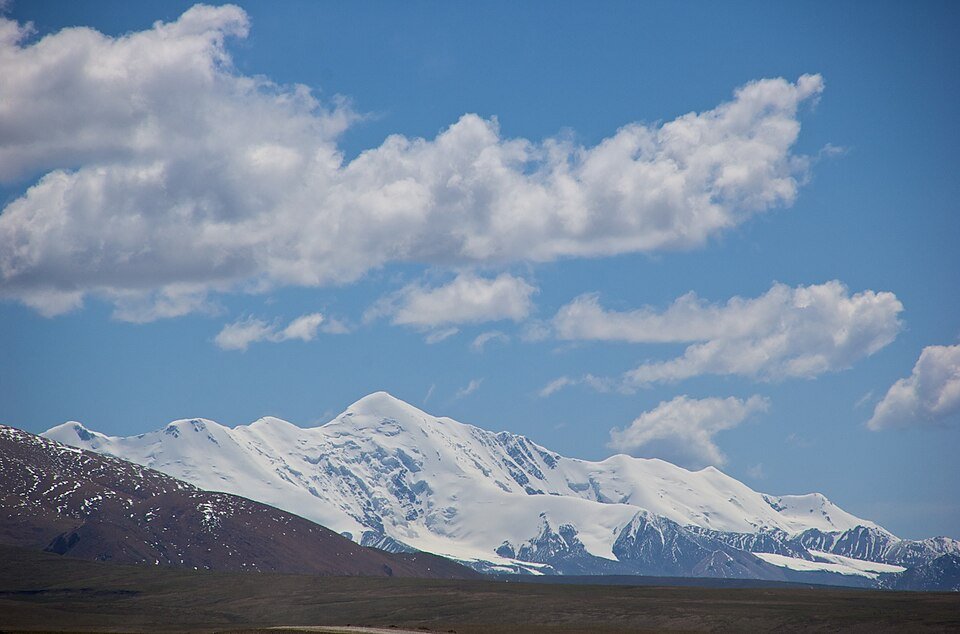
阿尼玛卿雪山|果洛州
A succession of snow- and ice-covered peaks forms a sacred mountain deeply important to Amdo people. Seen from broad valleys, it has a depth as a landscape of faith that a climbing perspective alone cannot capture.
Ordinary sightseeing and access to foothills, glaciers or circuits are considered separately. We check protected areas and access conditions, viewing the mountain from permitted roads and viewpoints.
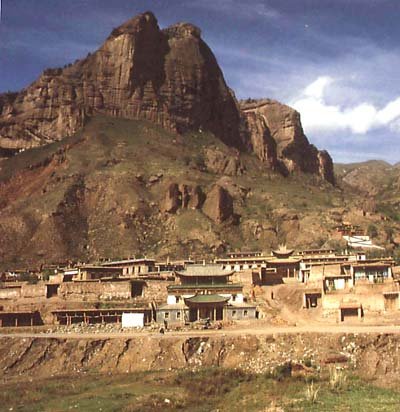
拉加寺|玛沁县
Set against the Yellow River valley and reddish mountains, this monastery introduces Golok’s Buddhist culture. Its architecture follows the natural terrain, creating a memorable space of prayer.
We also explain the connections between Amdo’s monasteries and local life. We check hall access and photography rules, giving priority to ceremonies and the monastery’s daily routines.
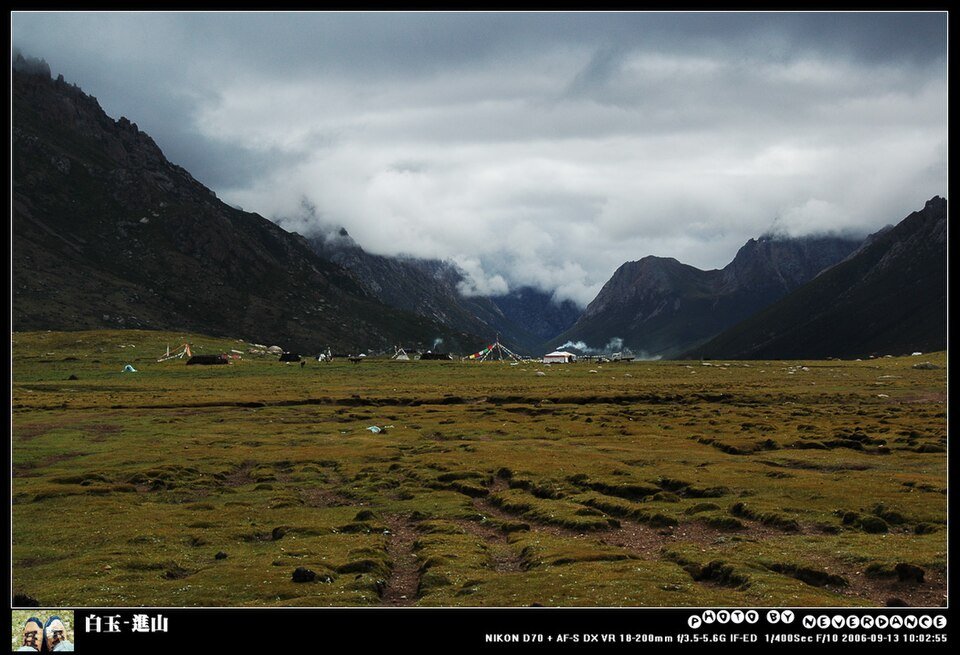
年保玉则|久治县
Sharp rocky peaks and plateau lakes characterize this region, emblematic of Golok’s nature and sacred-mountain culture. The photographs were taken in the past and do not indicate that entry is currently possible.
For conservation, we do not offer unrestricted mountain entry, lakeside trekking, camping or off-road driving inside the reserve as tourism. Even when considering distant views from roads, we check open sections and access conditions for foreign travelers.
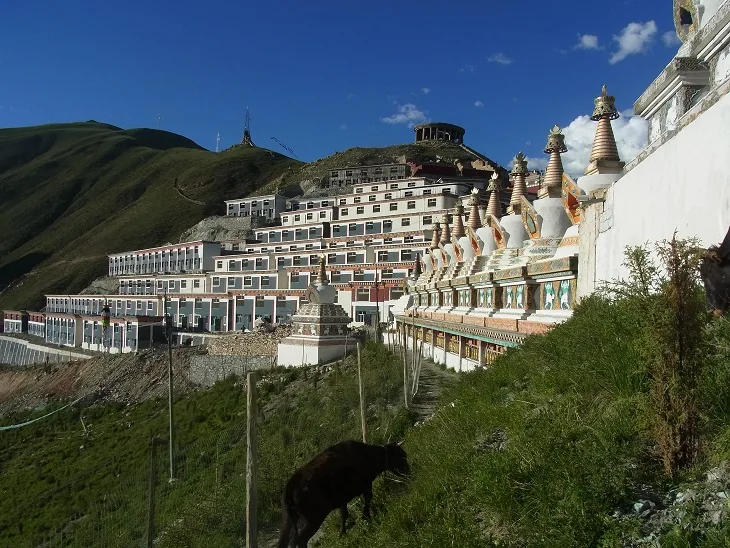
Jyekundo Monastery & Yushu City
Monastic halls line a hillside above the town. In Yushu, monastery scenery, markets, streets and people’s clothing form a connected world of daily life.
Alongside its Sakya tradition and regional history, we introduce life in Yushu today. Some buildings have been reconstructed, so we do not present the site as wholly preserved in its original form.
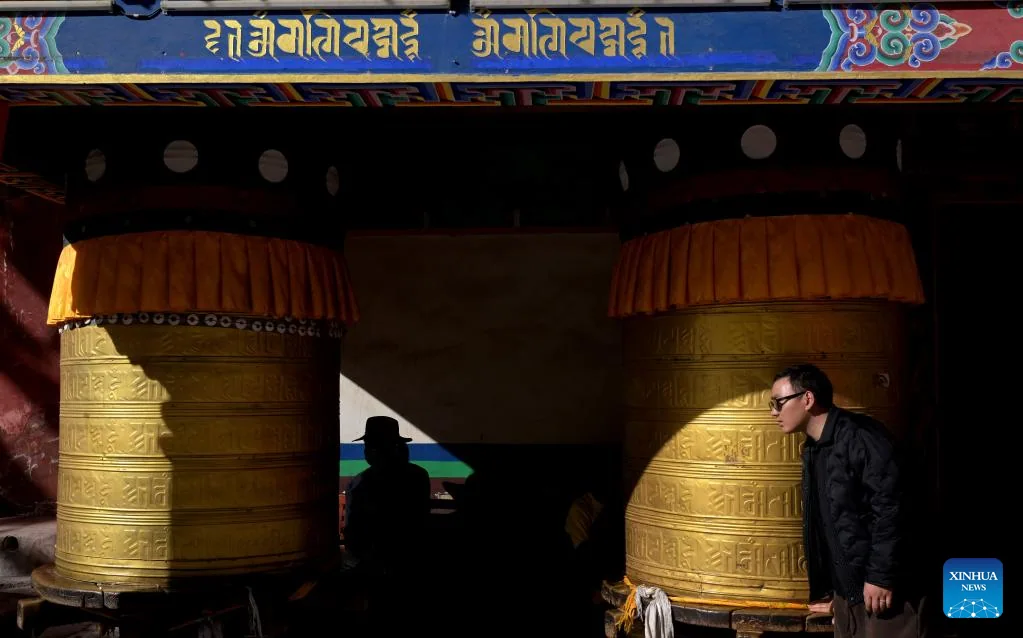
新寨嘉那玛尼石经城
Stones inscribed with text and Buddhist imagery are piled together, giving tangible form to daily prayers. Both examining individual stones and watching people circle them from a distance reveal the faith of this land.
We follow local guidance without moving or rearranging stones or blocking prayer routes. We obtain consent before photographing people and respect daily prayer without treating it as a staged tourist attraction.

Princess Wencheng Temple · Leba Valley
A Buddhist hall beside a cliff and stone carvings remaining in the valley connect with memories of the ancient Tang–Tibet route. Traditions about Princess Wencheng accompany a visit to a landscape where roads and faith meet.
We distinguish traditional accounts from history supported by written sources. Visits to the hall and walks through the valley are considered according to roads, season and local visitor access.
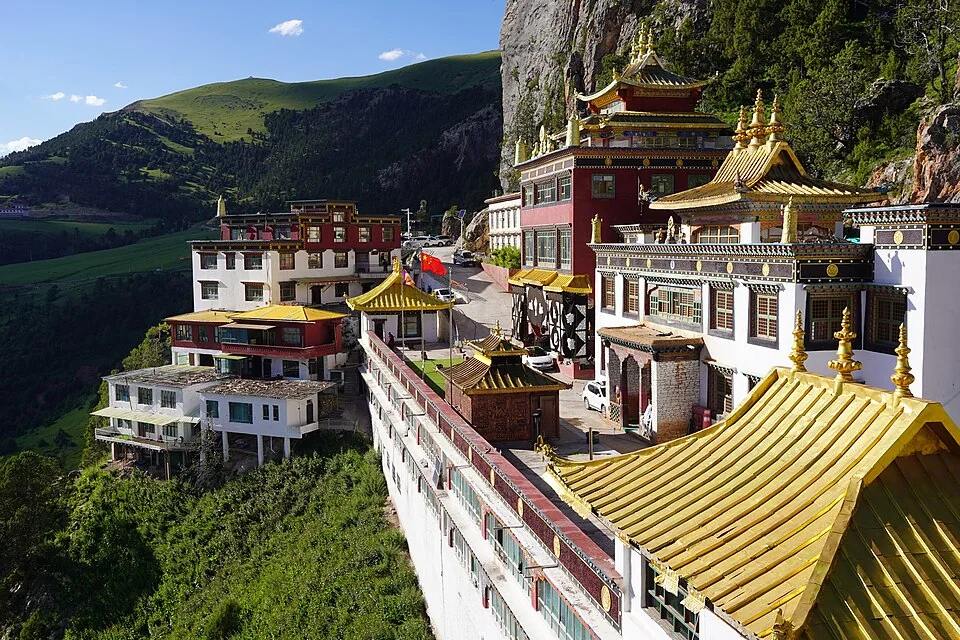
Gar Monastery & Nangqen County
Surrounded by rugged mountains and valleys, this monastery spreads its halls across a slope. Even the approach road reveals Nangqen’s terrain and the lives of its people.
Respecting local monastic culture, we visit and photograph only as permitted. Mountain-road travel times and weather make it important not to crowd too many remote destinations into one day.
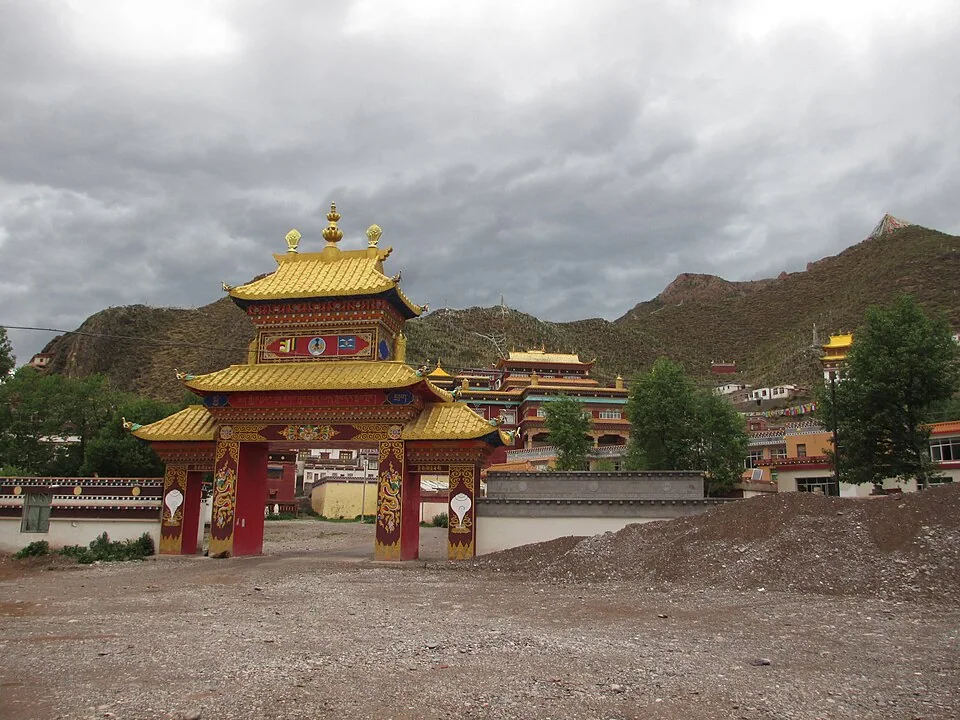
觉拉寺|囊谦
One of the monasteries that reveal the diversity of Buddhist culture in Nangqen. Its halls set within the mountain landscape show that a monastery is a source of support for local people as well as a place of learning and prayer.
For travelers wishing to go beyond famous monasteries and visit places rooted in local life. We consider visits after checking opening times, rituals, roads and conditions for foreign travelers.
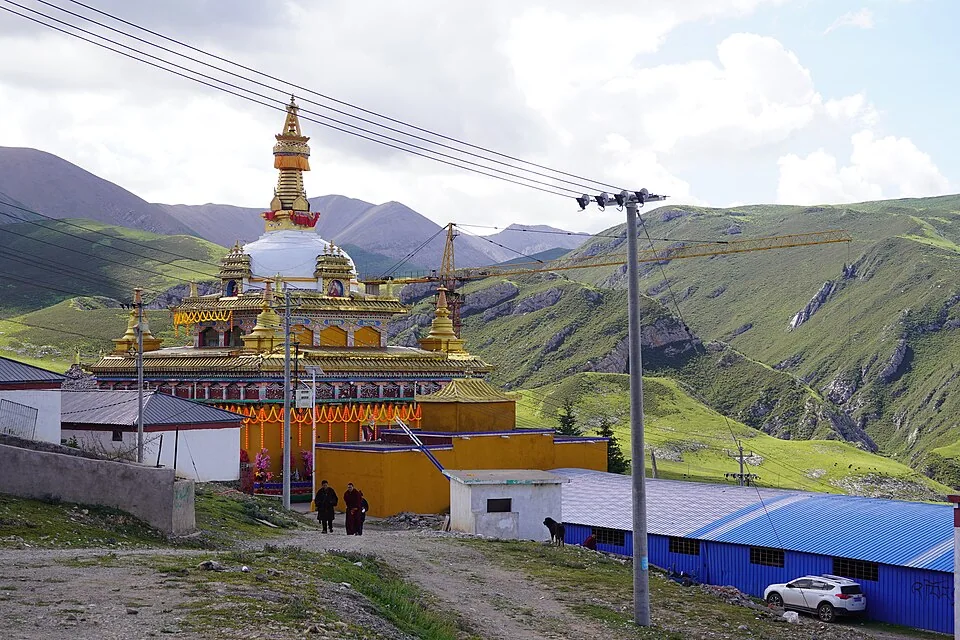
才角寺|囊谦
Mountain monasteries, nearby mani stones and village scenery offer an introduction to Nangqen’s religion and history. Looking at the relationship between monasteries, local power and communities gives Kham’s history greater depth.
Respecting the monastery as a place of ongoing daily activity, we guide you only through areas where visits are permitted. Special rituals or interior visits cannot be guaranteed.
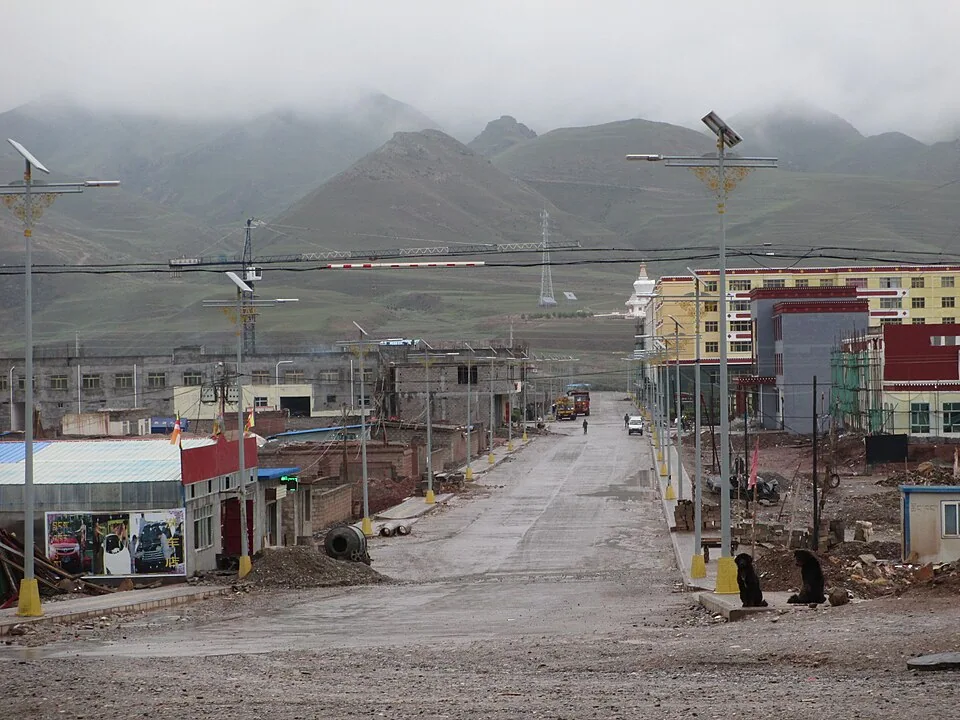
Nangqen & Xiangda Town area
Using the town as a base to explore monasteries and valley settlements reveals the variety within the Yushu region. Rivers, fields, mountain roads and village houses offer an appeal that map-marked sights alone cannot convey.
Photography and home visits require consent. If you are interested in nearby monasteries, traditional crafts such as black pottery, or local food culture, we can discuss visits while checking hosts’ willingness to receive visitors.
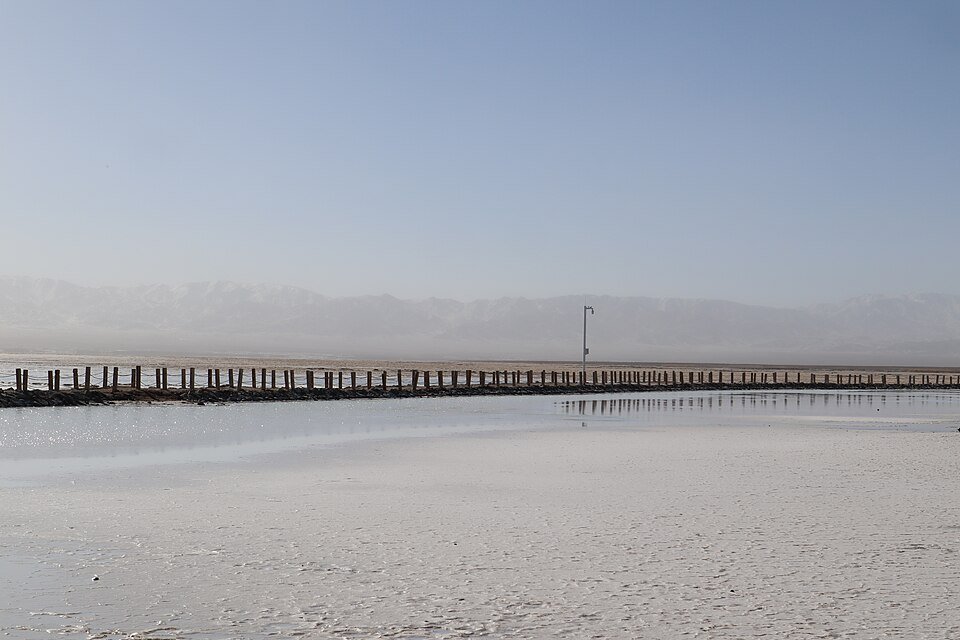
茶卡盐湖|乌兰县
White salt flats and water reflecting the sky form one of Haixi’s representative salt-lake landscapes. In calm weather, you may encounter scenes in which the sense of distance seems to dissolve.
Mirror-like reflections depend on water levels, wind, clouds and people’s movement, and cannot be guaranteed. We use designated visitor areas and paths, without entering salt-production or work areas freely.
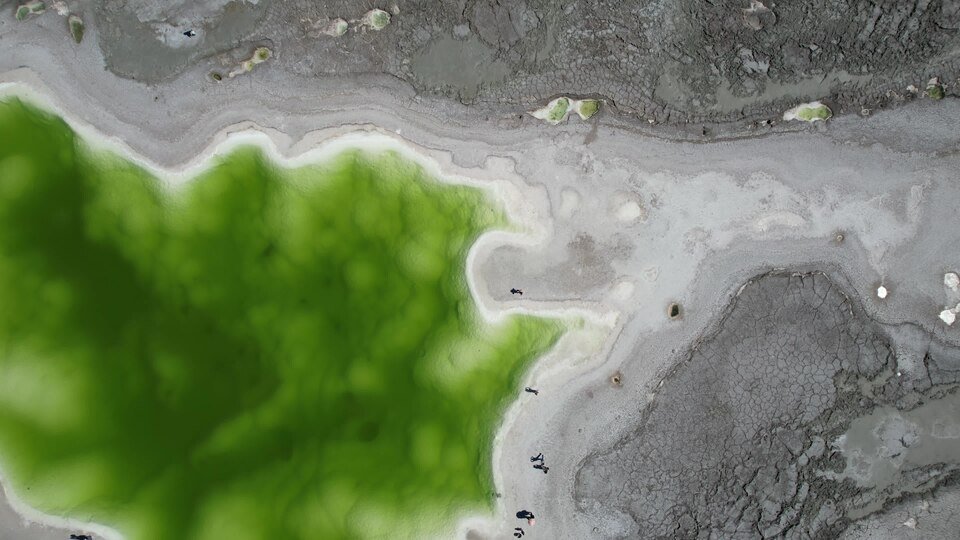
大柴旦翡翠湖
Salt pools in shades of green and blue scatter across pale land. Noticing the colors created by minerals, water and light reveals a salt-lake landscape made up of more than one expanse of water.
The image is a thumbnail from local footage. Colors change with weather and water conditions. We distinguish mining areas from visitor areas, guiding you along designated transport and walking routes.
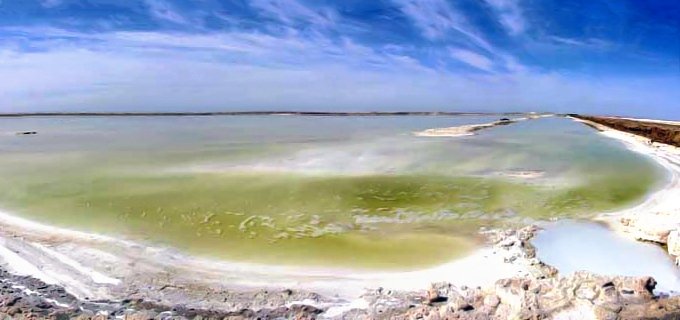
察尔汗盐湖|格尔木方向
A vast salt-lake region in the Qaidam Basin. Open water, salt formations and mining facilities coexist, revealing the relationship between natural resources and human activity.
Views from tourist areas are separate from actual extraction and production zones. We check public access and transport, and do not enter factories or management roads without permission. The photograph shows Dabusun Lake within the salt-lake region.
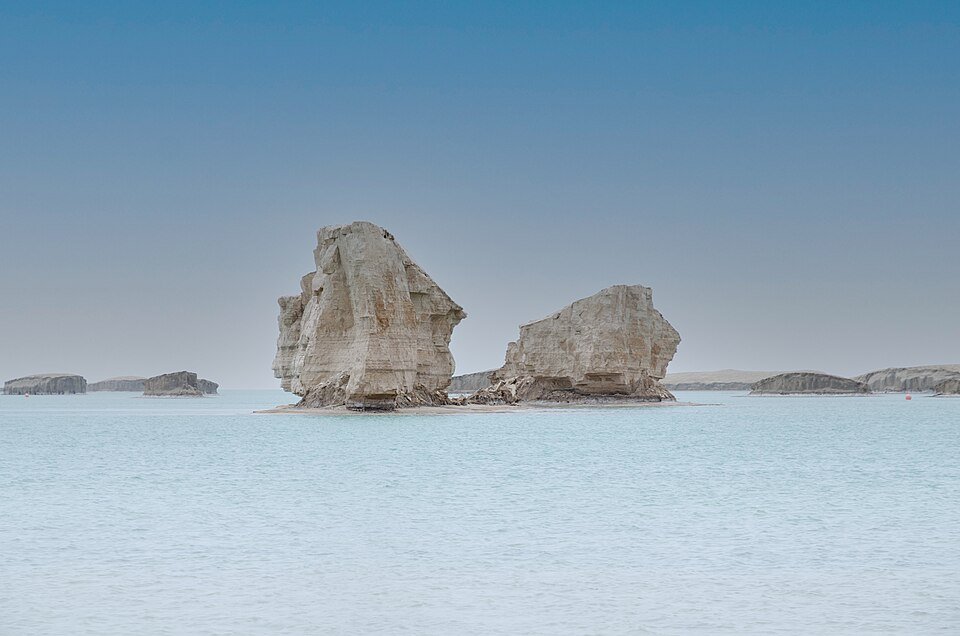
乌素特水上雅丹
Earthen ridges and rock-tower-like forms rise from the water in a distinctive geological landscape. As the light shifts, shadows move across the terrain, revealing a scene unique to the meeting of lake and desert.
This involves travel to a remote area, so we check roads, supplies and scenic-area operations. We enjoy views from safe viewpoints without going beyond visitor limits or climbing fragile formations.
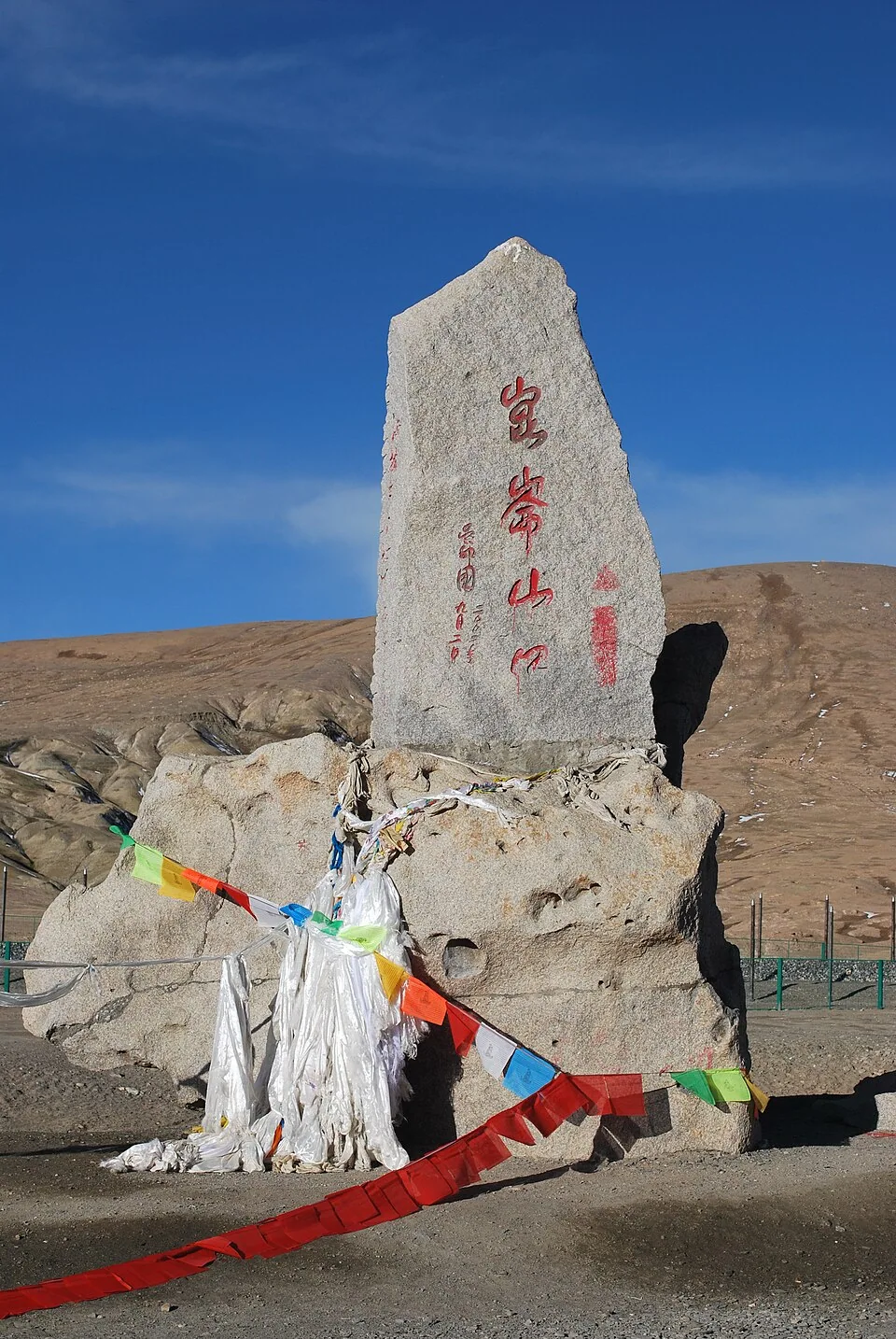
昆仑山口|格尔木方向
On the road from Golmud into the plateau’s interior, this is a place where the relationship between mountains and open sky changes. Stone monuments and distant snowy peaks convey the Kunlun Range’s major role in shaping the journey’s terrain.
The elevation rises substantially from the city, so we carefully plan travel and time spent here. Roadside stopping is not always permitted; visits use designated safe locations.
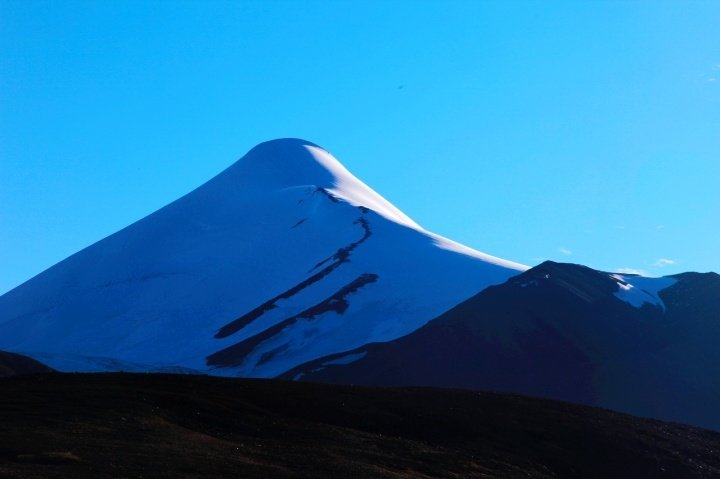
玉珠峰
A representative subject for viewing snowy peaks of the Kunlun Range. Sharp white summits against an arid plateau convey the expanse of western Qinghai’s landscape.
Ordinary viewpoints, climbing and access to base camps are different activities. We check conditions for seeing views like those pictured and which viewpoints can be visited; climbing and glacier walking are not included as routine sightseeing.
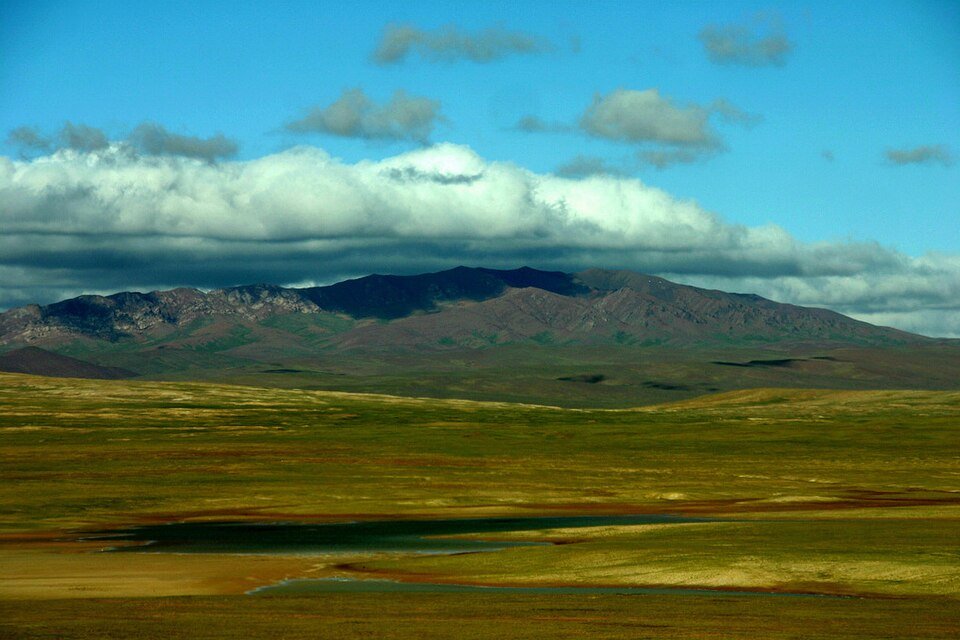
可可西里
Broad plateaus, lakes, grasslands and snowy mountains make this an important wildlife habitat. Travel here calls for an attitude of observing nature from a respectful distance, beyond simply getting close to famous sights.
We do not offer expeditions into the reserve’s core, off-road driving or unrestricted camping. Visits are considered only on permitted public roads and at open locations, with access conditions for foreign travelers checked in advance.
Explore itineraries that visit this region, then compare trip lengths and places you would like to see.
Prices are reference amounts per person, not confirmed departures or availability. Request a quotation for your dates, party size, stays and included services.
SNOWLAND TRAVEL