
Xining, Lhasa & Yamdrok · 6 days
View itinerary →A compact railway, Lhasa and Yamdrok combination, with rest on arrival.
Discover history, experience culture, understand faith and meet the people who call Tibet home.
At Snowland Travel, we value the perspectives of people living in Tibet. We introduce you to its rich history, enduring culture and faith, and the rhythms of everyday life.
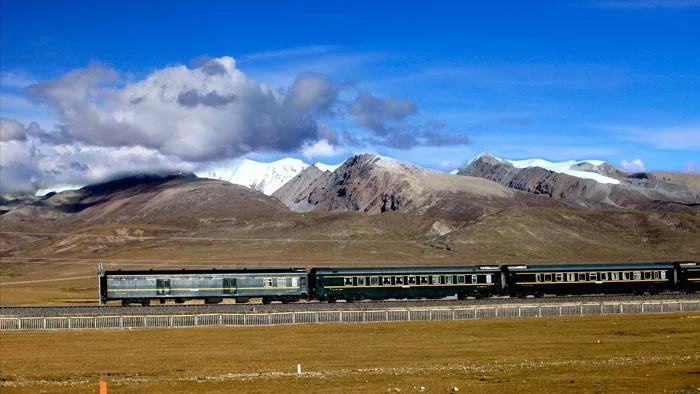
Travel from Xining via Golmud and the plateau to Lhasa. Compare berths, view real carriage reference photographs, prepare boarding documents and connect the train with Lhasa, Yarlung, Tsang or Everest.
Rail and highway itineraries are distinct products. The train crosses the plateau without discretionary sightseeing stops. Any carriage or formation change at Golmud follows staff instructions. Window reflections, weather and passage time affect photography; every highlight cannot be promised in daylight.
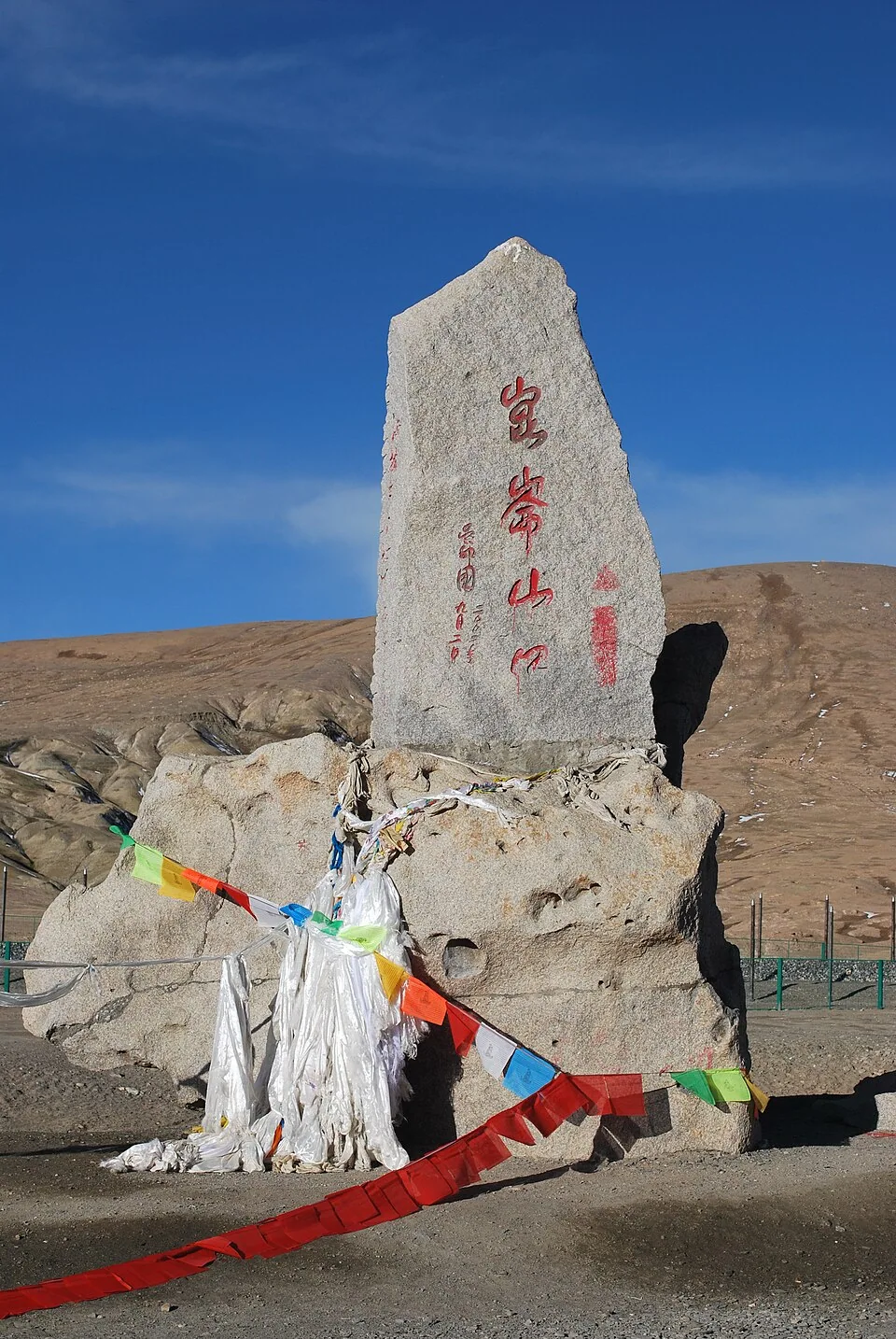
Representative corridor: Xining → Golmud → Kunlun/plateau section → Tanggula → Amdo → Nagqu → Damxung → Lhasa. Not every train calls at every station, and stops do not permit sightseeing outside the station. Check 12306 for the actual service, duration, operating date and daylight sections.
| Class | Layout & considerations |
|---|---|
| Soft sleeper | Usually four berths in a compartment with a door, with upper/lower bunks. It is a shared berth product, not an exclusive cabin; lower bunks, adjacency and sole use require confirmation. |
| Hard sleeper | Usually open six-berth bays with lower, middle and upper bunks. Privacy and space are limited and upper bunks require climbing; bedding is supplied, despite the English name. |
| Hard seat | Shared seated carriage; consider the limitations for long overnight rest. Upgrades depend on available inventory. |


These are real historical carriage examples, not photographs promised for your booked service. Rolling stock, interiors, bedding, equipment and upkeep may differ. Click to view originals; images are saved with source and licence credits.
Plateau trains have diffuse and individual-outlet oxygen systems; follow staff instructions for operation. Do not tamper with fittings or carry unapproved oxygen cylinders. Oxygen does not guarantee prevention of altitude illness, and an onboard doctor is not assumed; report illness immediately and seek medical help for severe or persistent symptoms.
Check dining-car and boxed-meal availability and hours for the actual service; meals are generally extra. Take a heat-safe cup, drinking water and familiar snacks. Do not assume vegetarian, halal or severe-allergy needs can be met; discuss cross-contact risk in advance.
Toilets and washbasins are shared and toilet types vary. Passenger showers are generally not provided. Bring tissue, toiletries, slippers and earplugs; respect quiet hours and keep documents and valuables with you.
Power outlets and availability vary; do not rely on continuous charging or Wi-Fi. Download tickets, maps and contacts before travel because plateau coverage can drop out. Do not open windows without permission; avoid flash and keep corridors clear.
Large-case space is limited; keep documents, medicines and toiletries in a small bag. The 12306 English FAQ lists a 20 kg allowance for ordinary passengers and a 160 cm combined-dimension limit on traditional trains; recheck applicable rules and restricted items. Discuss station assistance, berth access and toilets for mobility needs; an accessible carriage is not assumed.
Xining focuses the journey on the plateau railway. For other cities, check date-specific through services or connections via Xining/another hub. Hong Kong is not sold as a confirmed direct Lhasa service. Confirm station, operating day and the complete connection separately for each origin.
A compact railway, Lhasa and Yamdrok combination, with rest on arrival.
Lhasa and Yarlung heritage, with train and berth confirmed before travel.
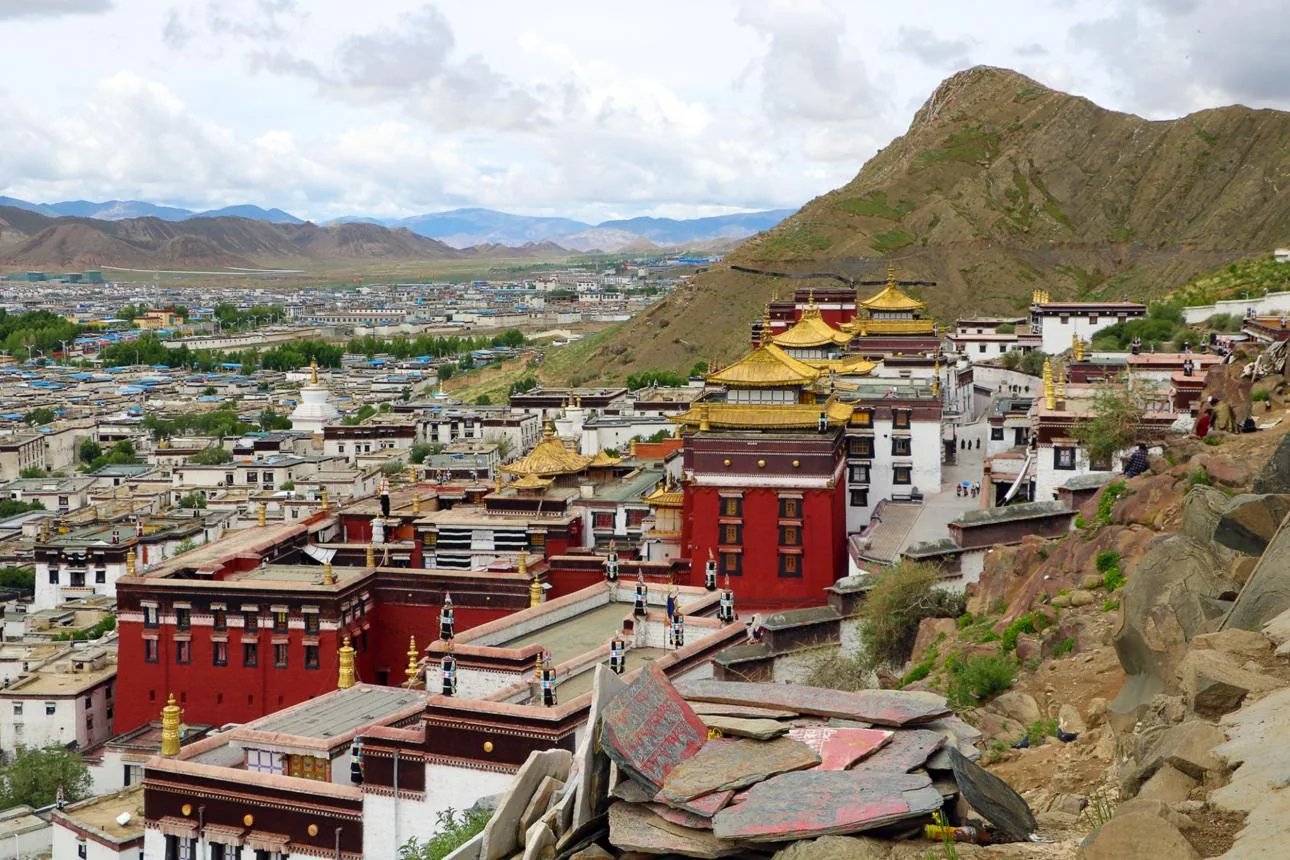
Connect rail with Lhasa, Gyantse and Shigatse monastery traditions.

A longer plateau itinerary, with Everest access, permits and stays checked separately.
These are the four detailed railway combinations currently listed. Add Xining culture, Qinghai Lake or Lhasa rest days by arrangement; passing a location by train is not a ground visit. The separate 12-day Qinghai–Tibet highway route uses road transport.
Compare the 12-day Qinghai–Tibet highway →No. The route reaches very high altitudes, sometimes overnight; oxygen does not replace health review or medical care.
No. Confirm actual berths after issue and agree acceptable alternatives before booking.
Early planning helps preparation, but issue follows the railway’s published booking window; a deposit does not lock railway inventory.
Ordinary soft/hard sleepers generally share washing and toilets; they are not sold as hotel-style en-suite accommodation. Check the actual rolling stock.
Reviewed 29 October 2026 · 12306 official FAQ · Xinhua · plateau train oxygen systems · Photograph credits
Plan a rail & land journey →SNOWLAND TRAVEL